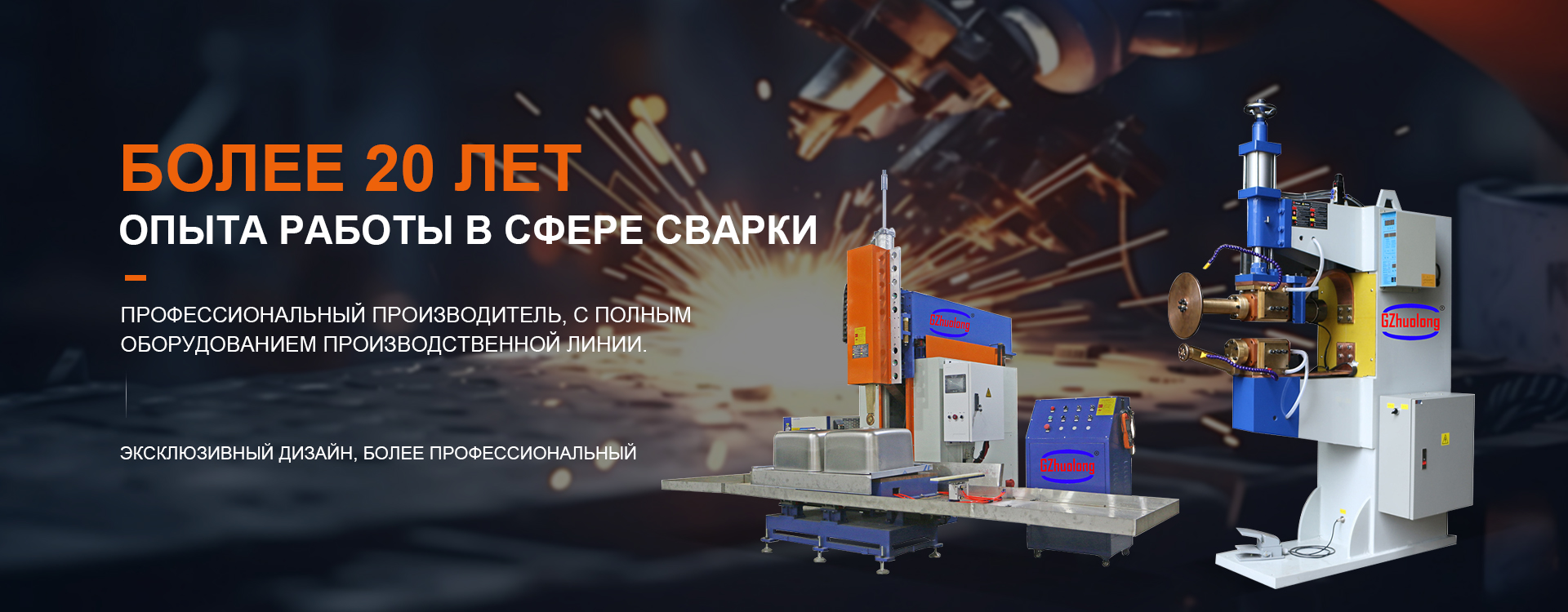
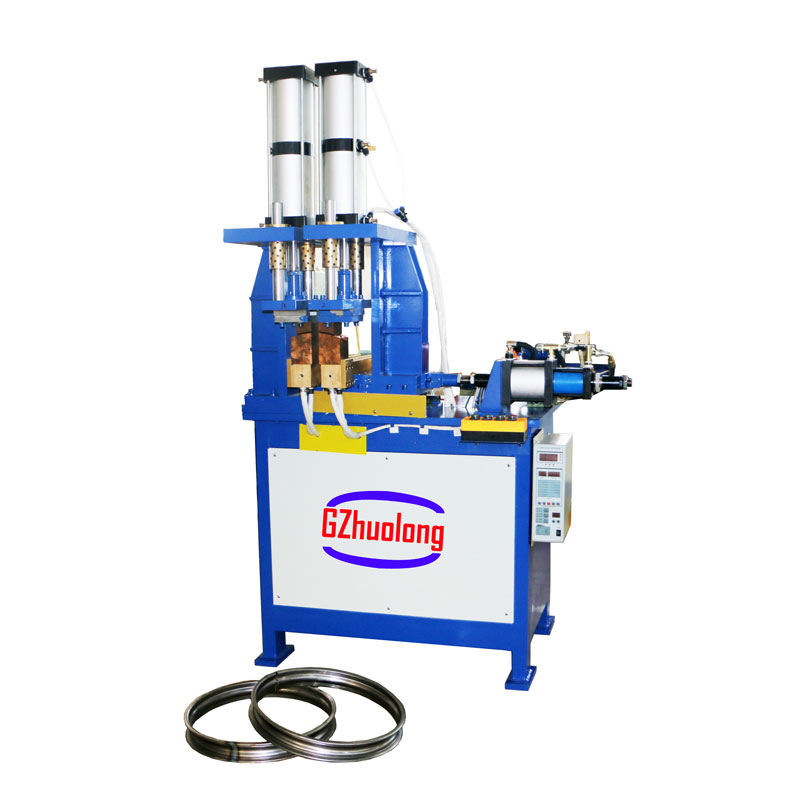
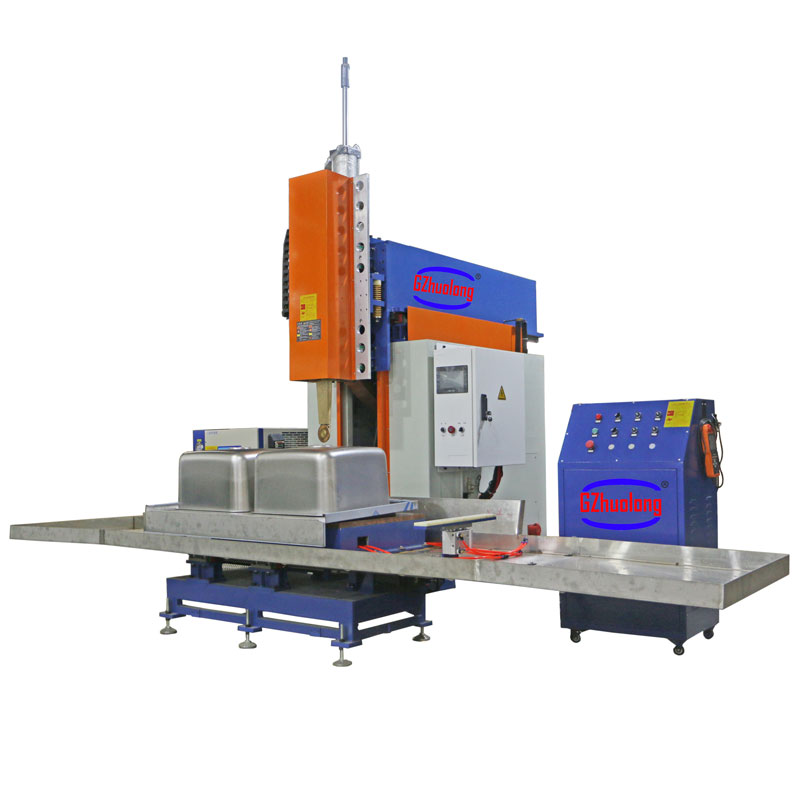
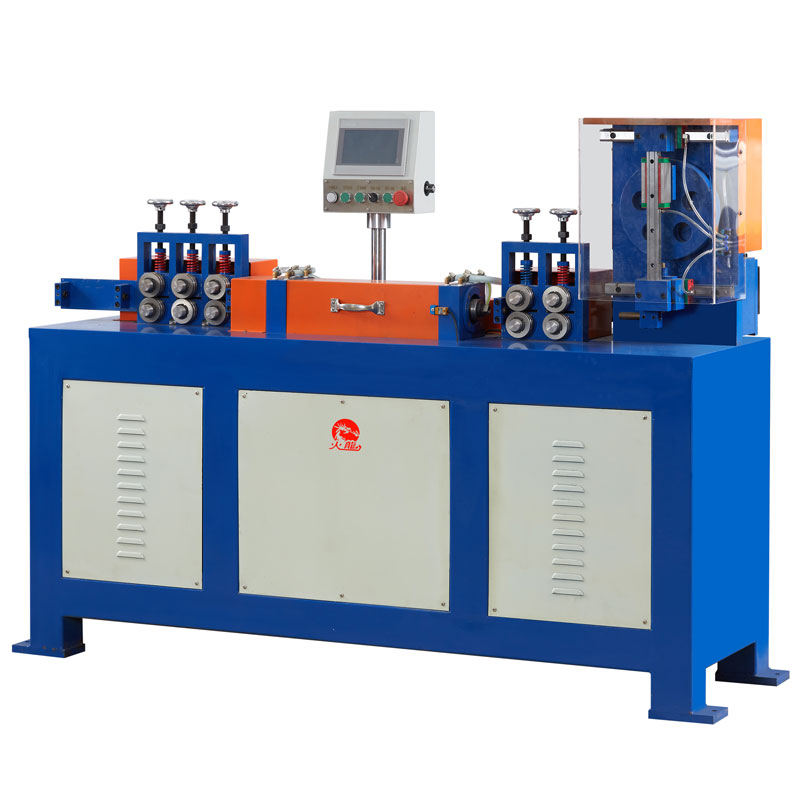
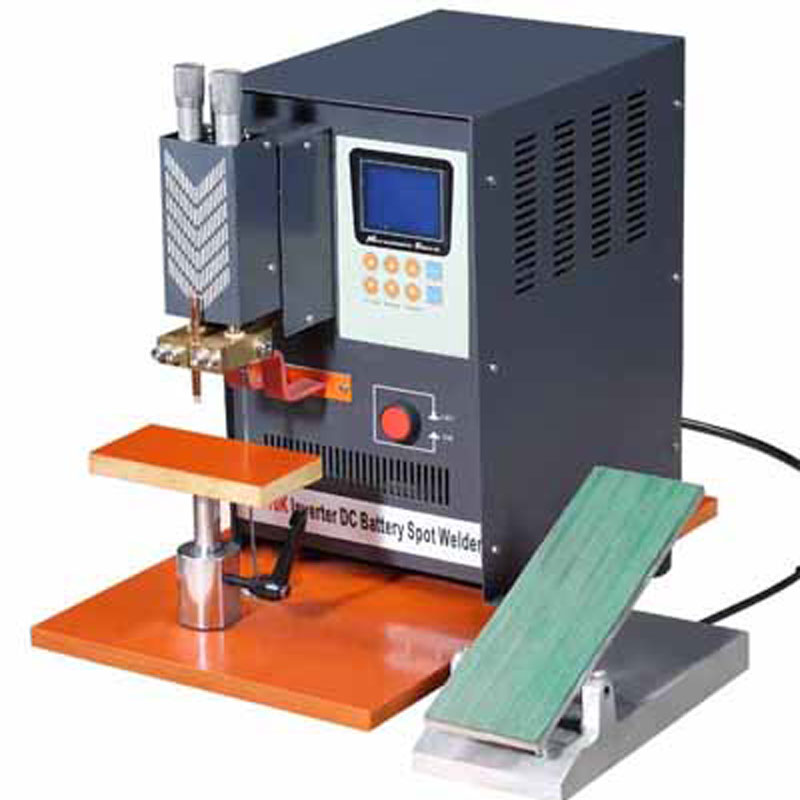
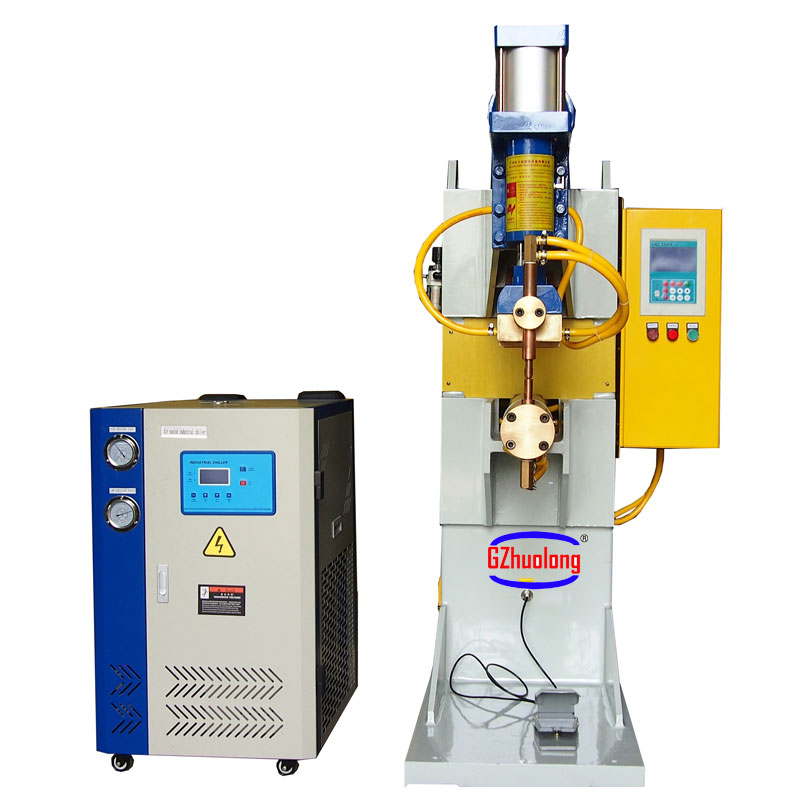
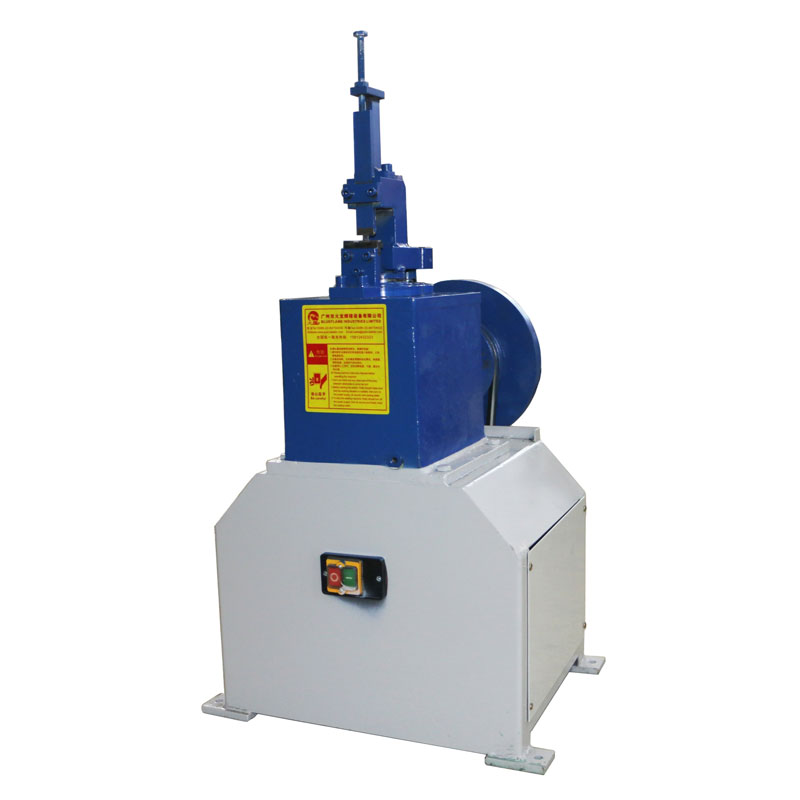
Butt welding machine: an indispensable assistant in the world of metal
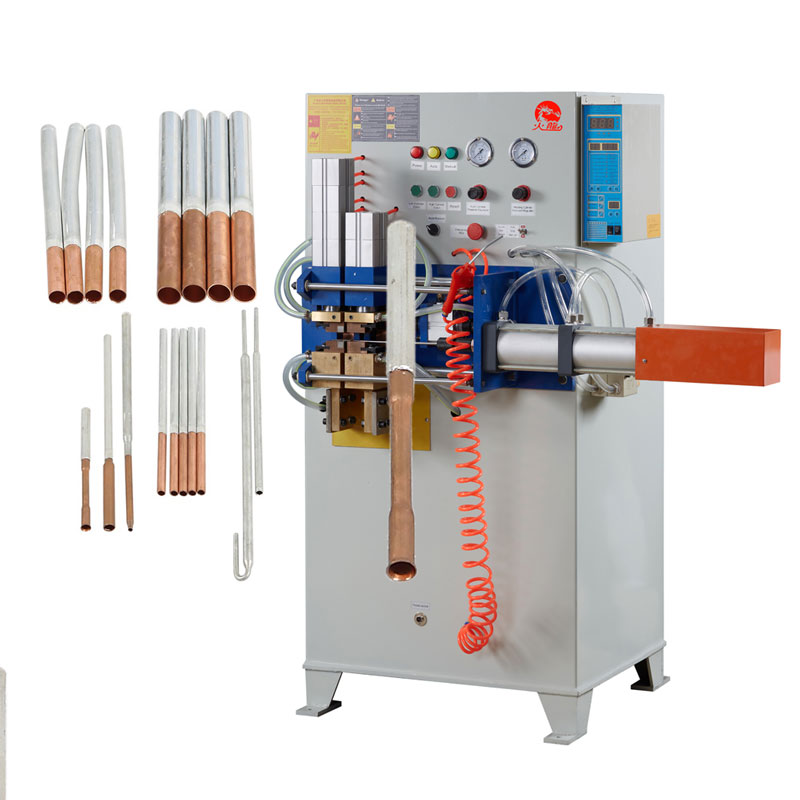
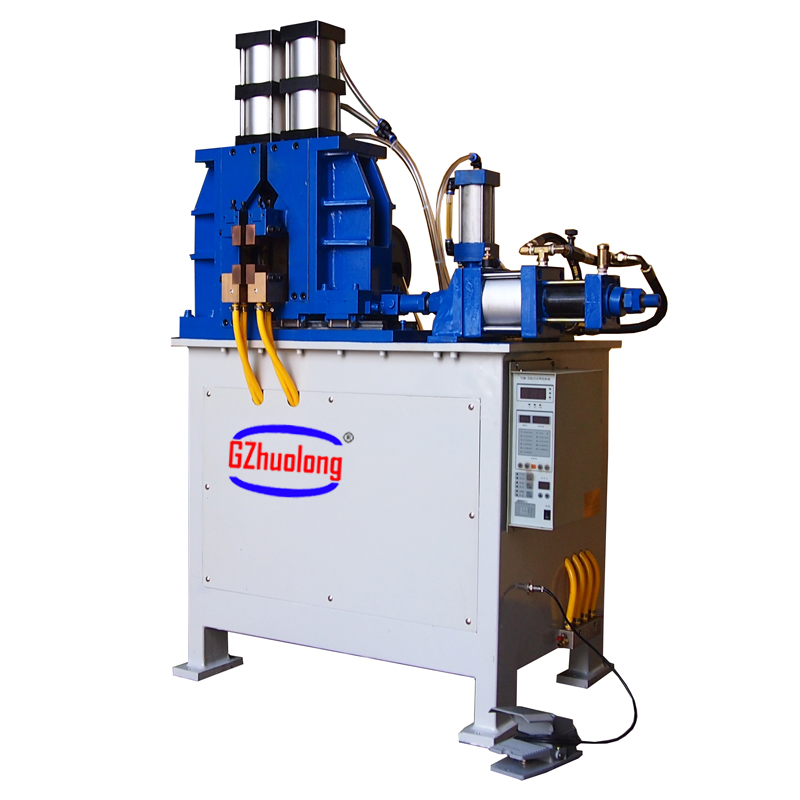
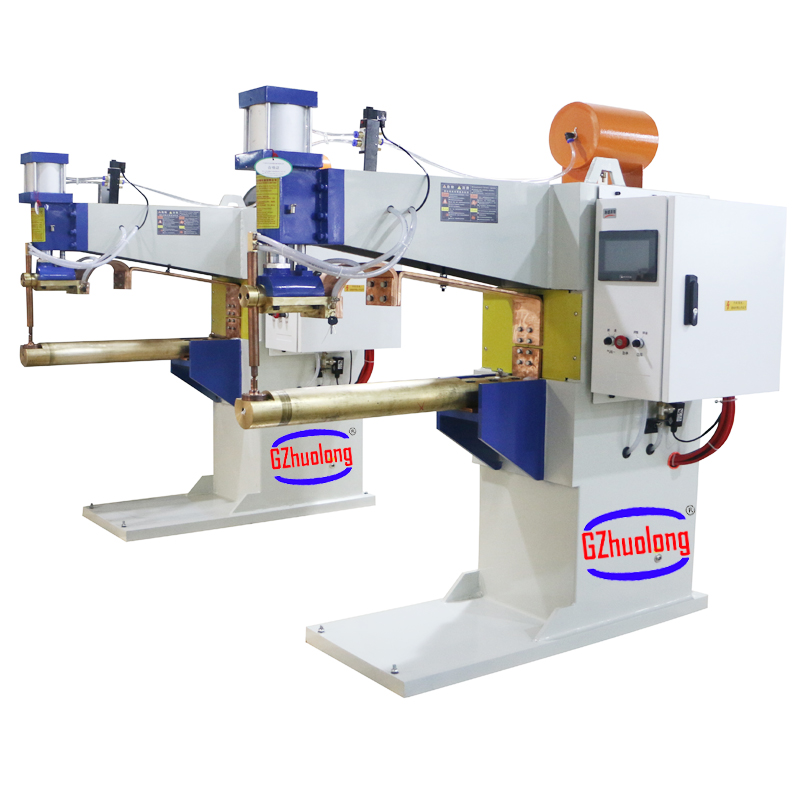
Butt welding is a technology for joining metal parts by heating them and then compressing them. Think of two pieces of metal as if they were two puzzle pieces that need to fit together perfectly. A butt welding machine is exactly the tool that copes with this task, providing a strong and reliable connection. Without it, many modern structures would be impossible - from high-rise buildings and bridges to complex mechanisms and pipelines.
Operating principle: simple about complex things
How does this magical machine work? The process is quite simple at its core. First, the parts are carefully cleaned and aligned to ensure maximum contact. Then, using powerful electrodes, they are heated to or near their melting point. It is important to note that the type of heating (high-frequency current, resistance) depends on the properties of the metals being welded and the requirements for the quality of the weld. After reaching the required temperature, the machine compresses the parts with enormous force, displacing the molten metal and forming a strong connection. The entire operation occurs quickly and accurately, under strict automatic control.
Types and applications: variety of possibilities
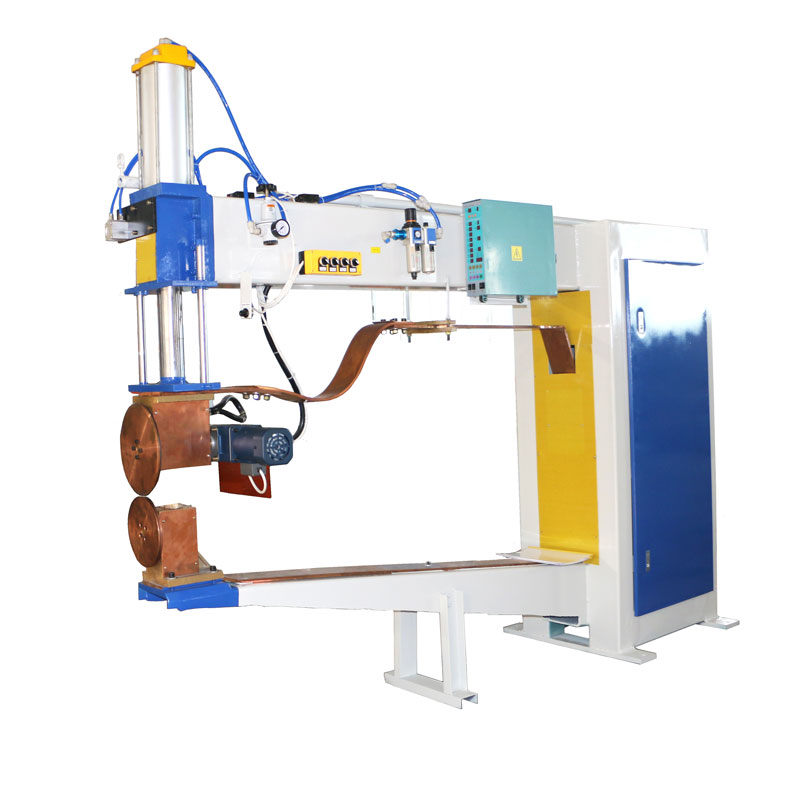
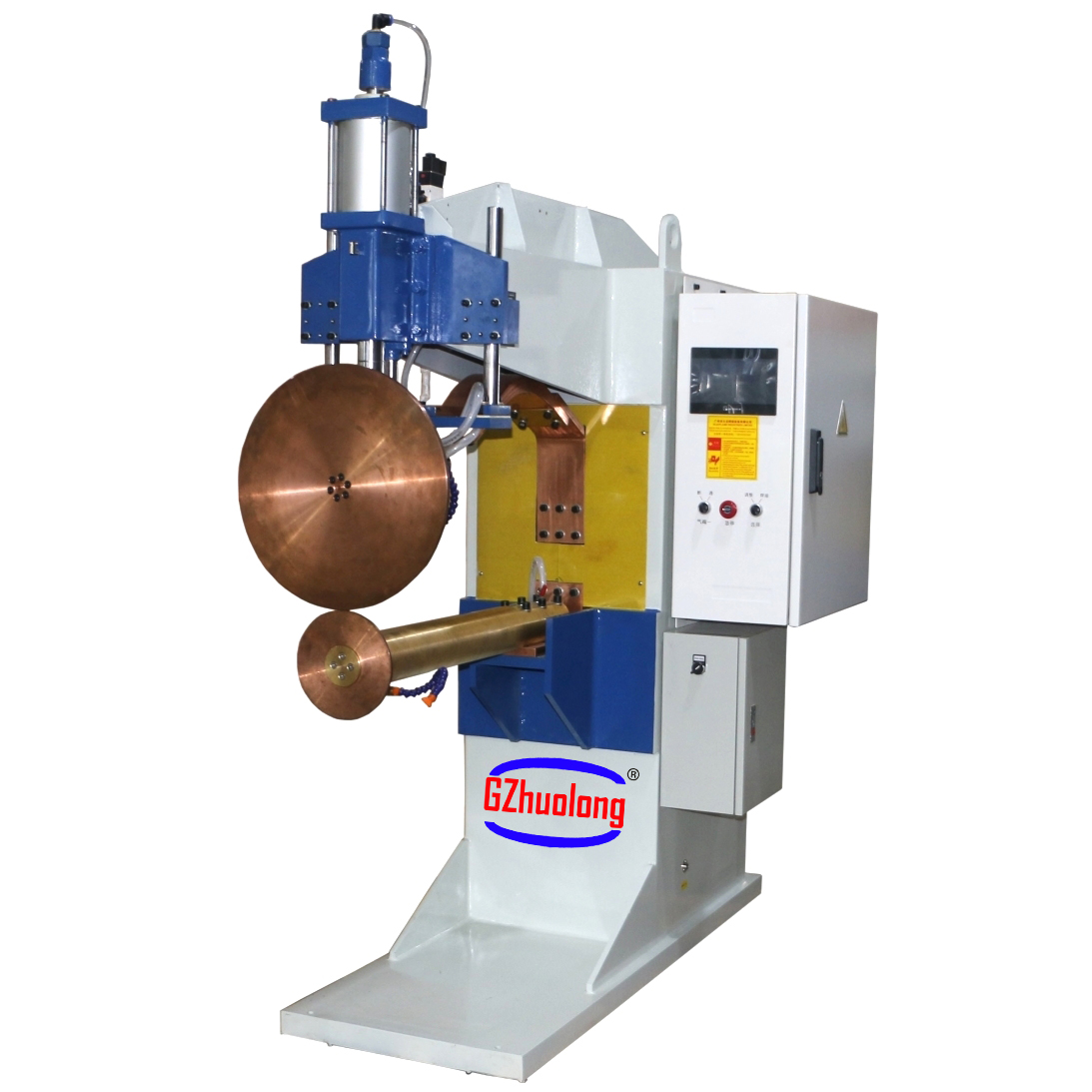
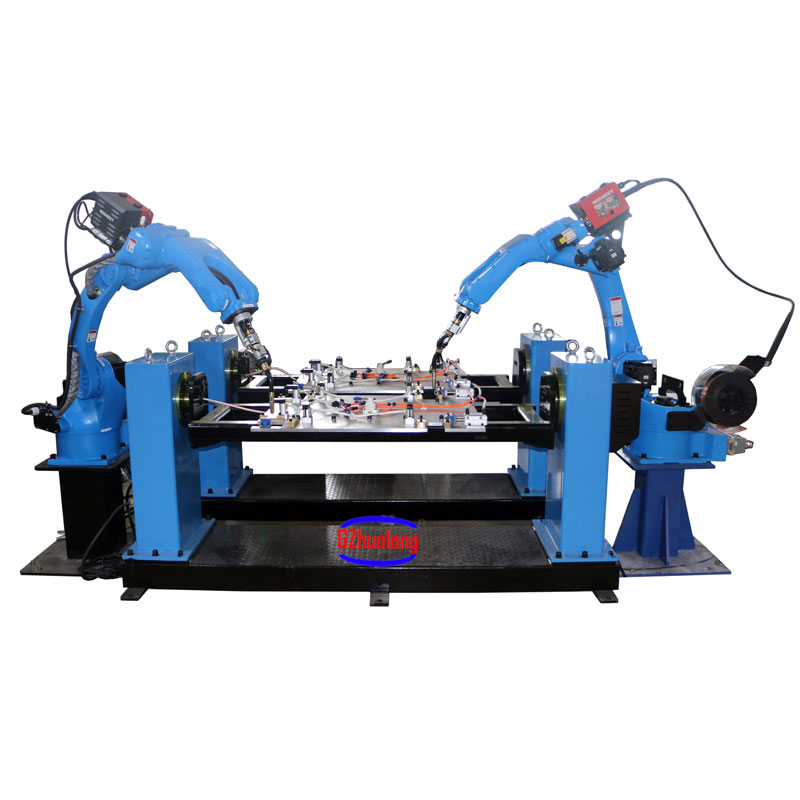
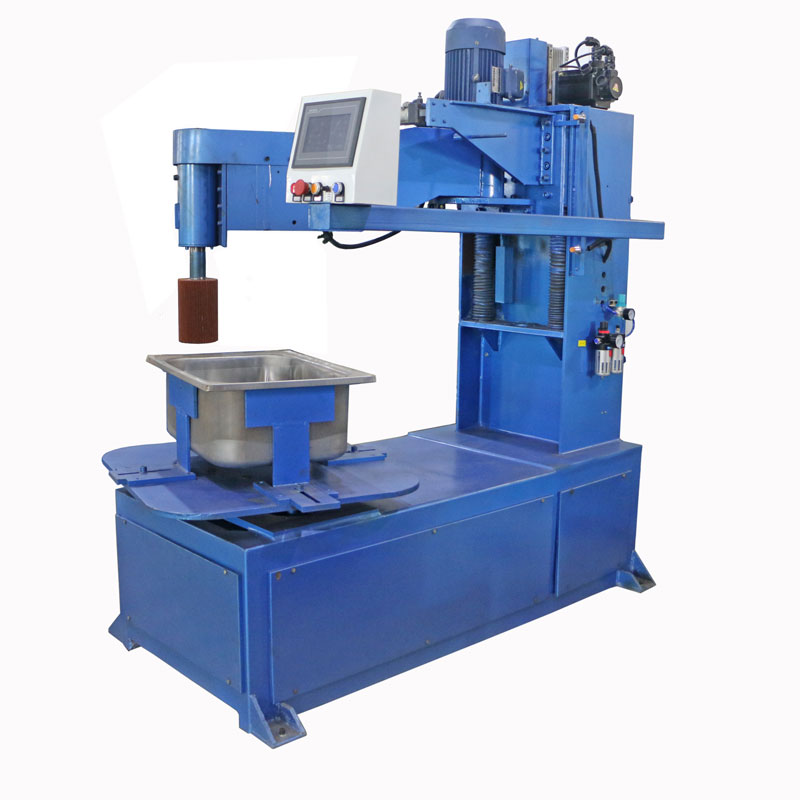
There are many types of butt welding machines, which vary in power, heating method, and size of the parts being processed. Some of them are designed for welding thin sheets of metal, others for massive pipes or rails. Thanks to this, butt welding machines are widely used in various industries: mechanical engineering, metallurgy, construction, energy and many others. They allow you to create strong and durable structures, significantly simplifying and speeding up production processes.
Advantages and the future: a look into the future
The main advantages of butt welding are high productivity, strength and tightness of the connection, as well as the ability to weld various metals. Modern machines are equipped with automatic control systems, which guarantees high quality seams and minimizes the likelihood of errors. Technology development does not stand still: control systems are constantly being improved, new heating and control methods are being introduced, which makes butt welding even more efficient and accurate. In the future, we can expect even more automated and high-precision machines capable of handling even more complex tasks.