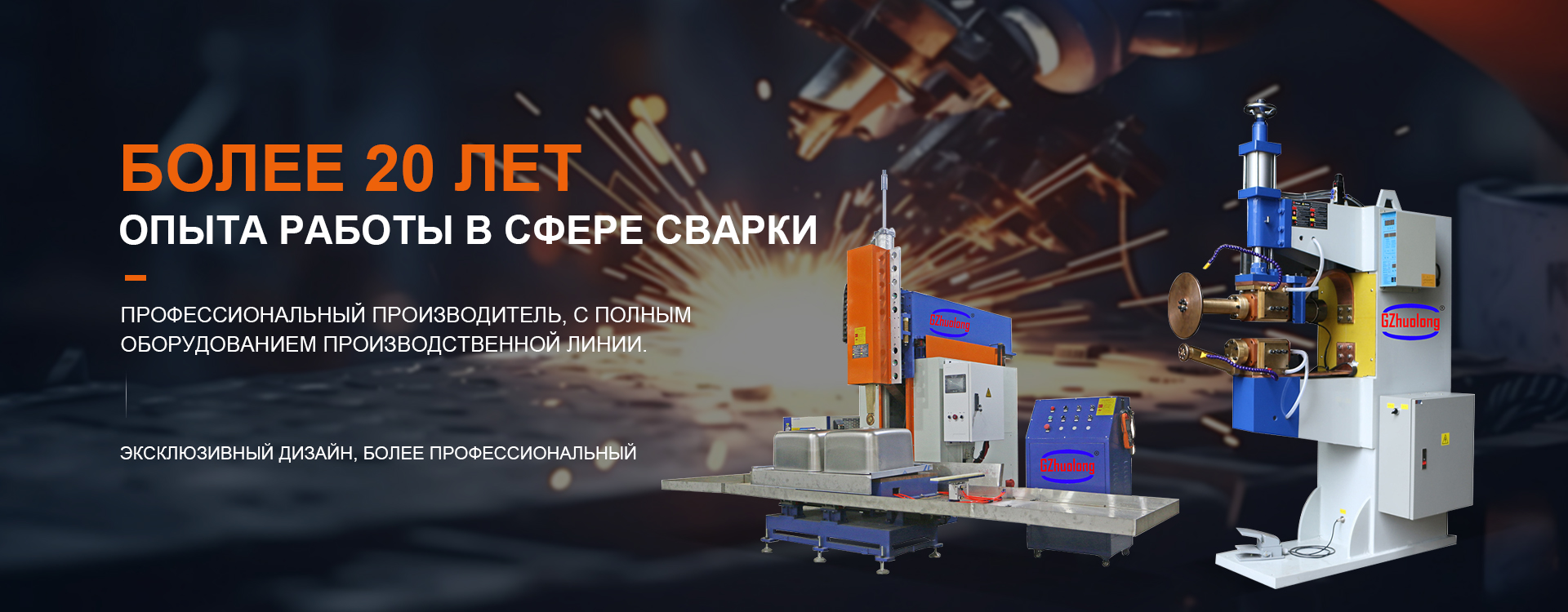
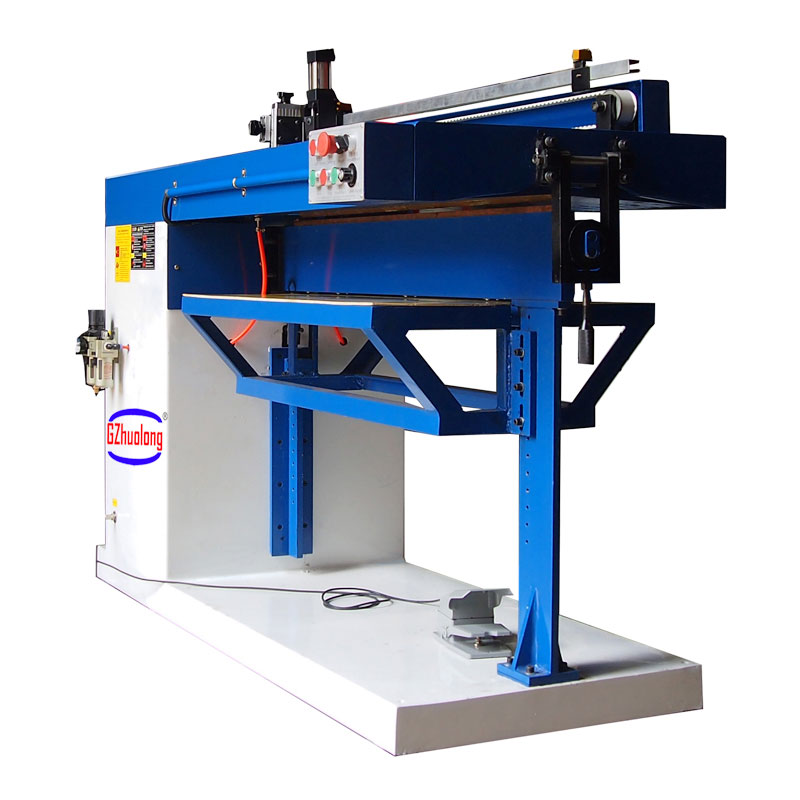
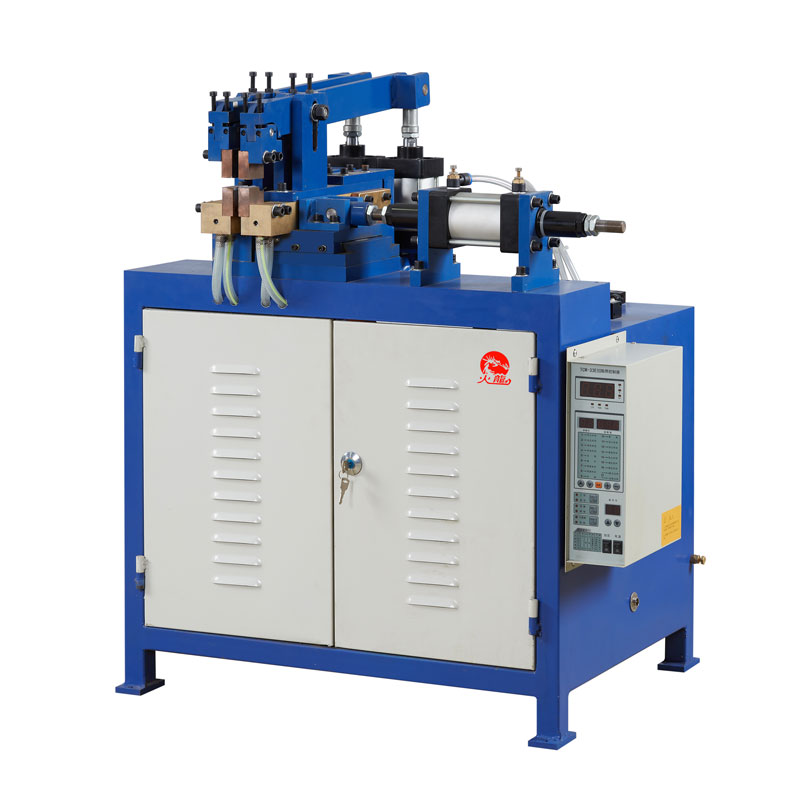
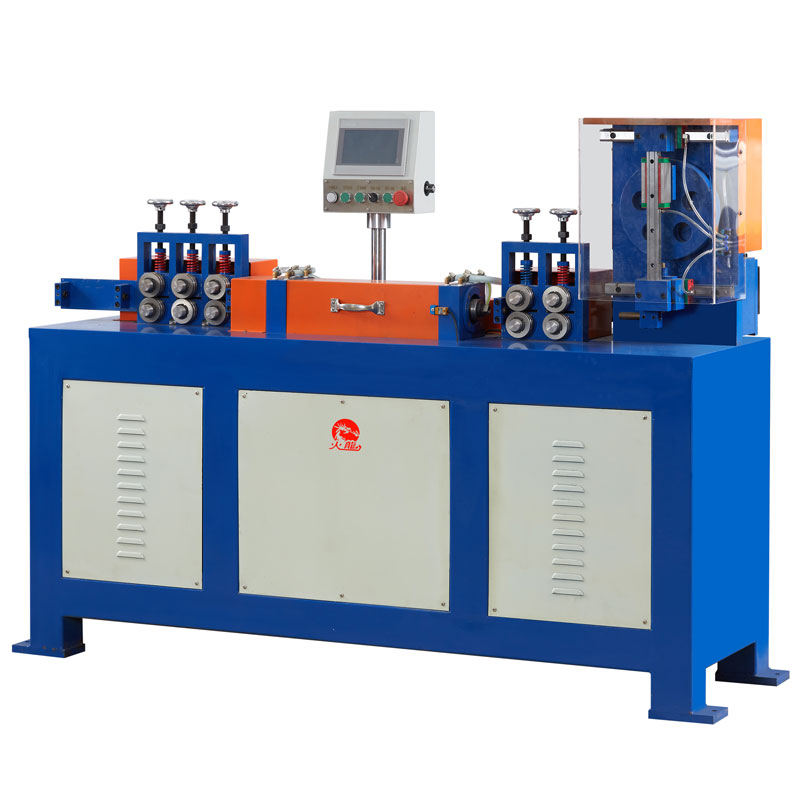
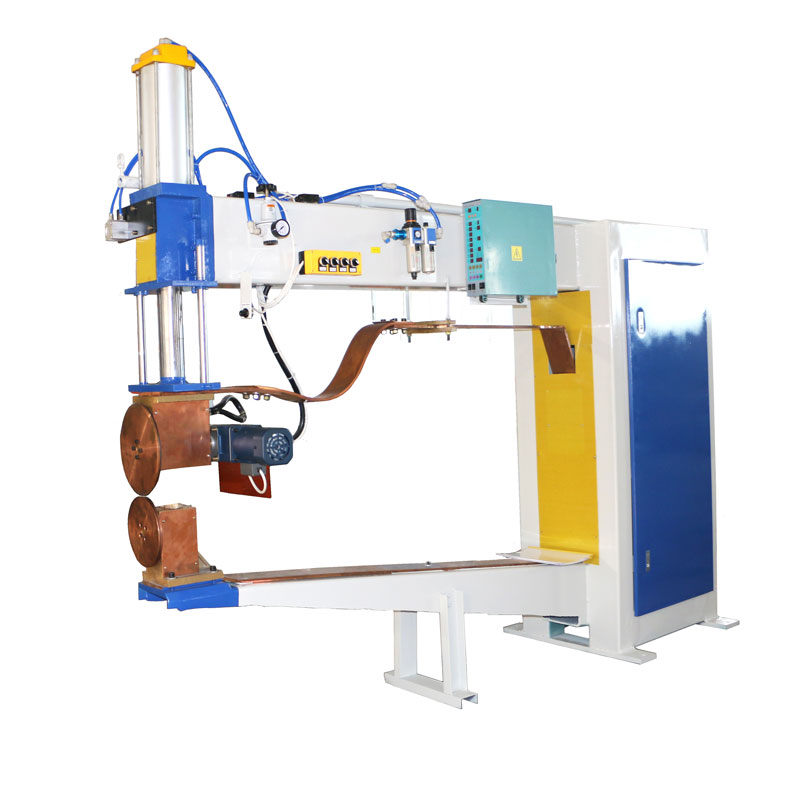
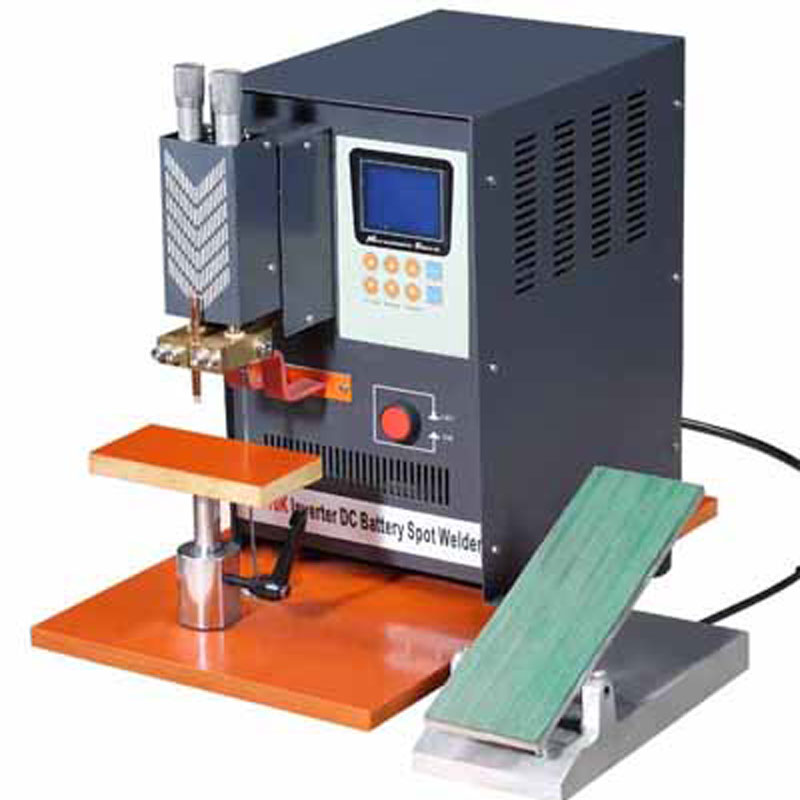
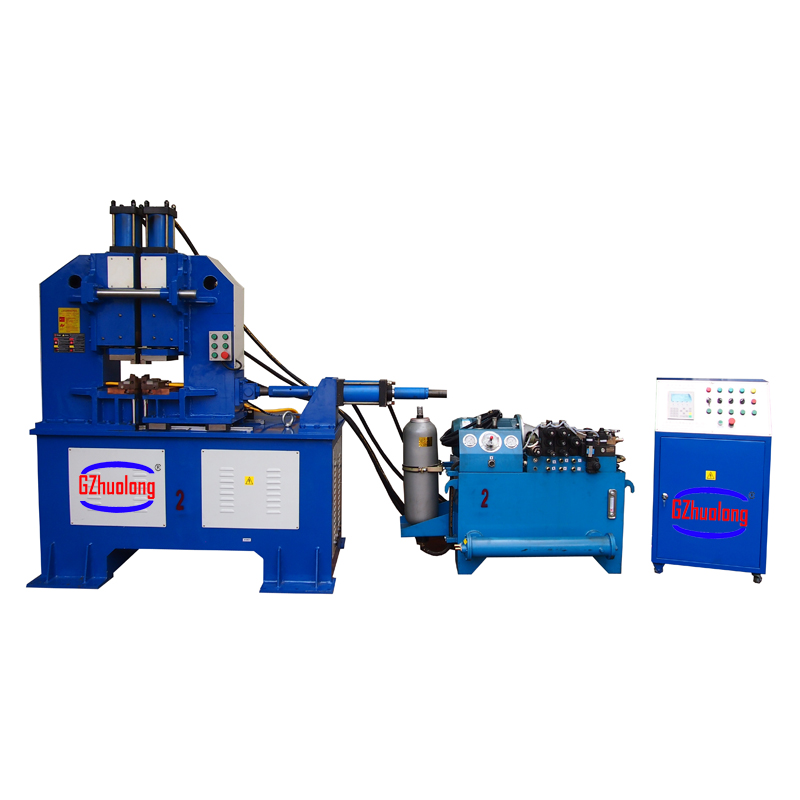
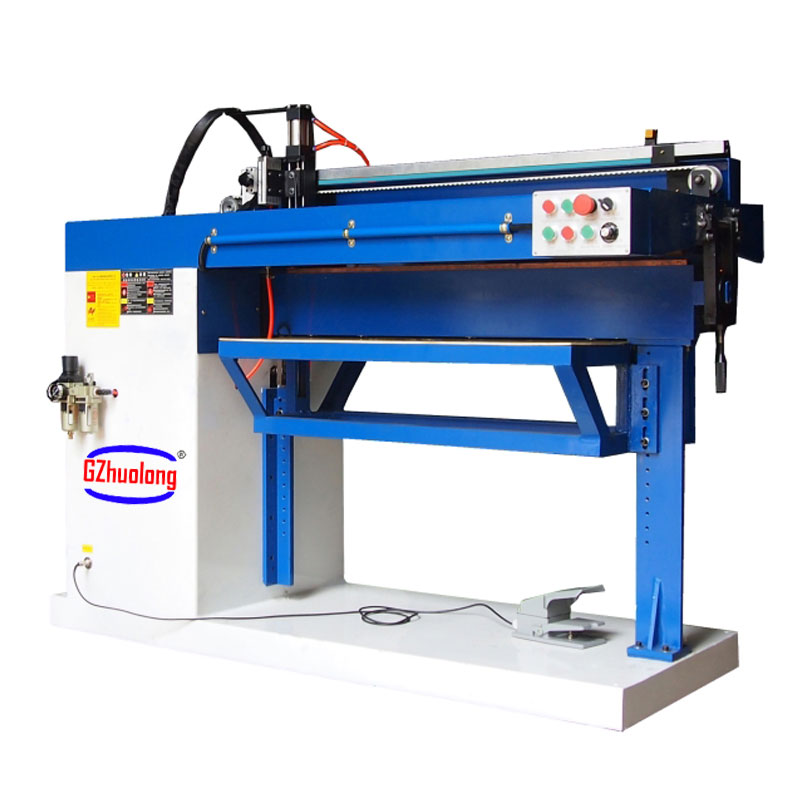
Ring Butt Welding Machine
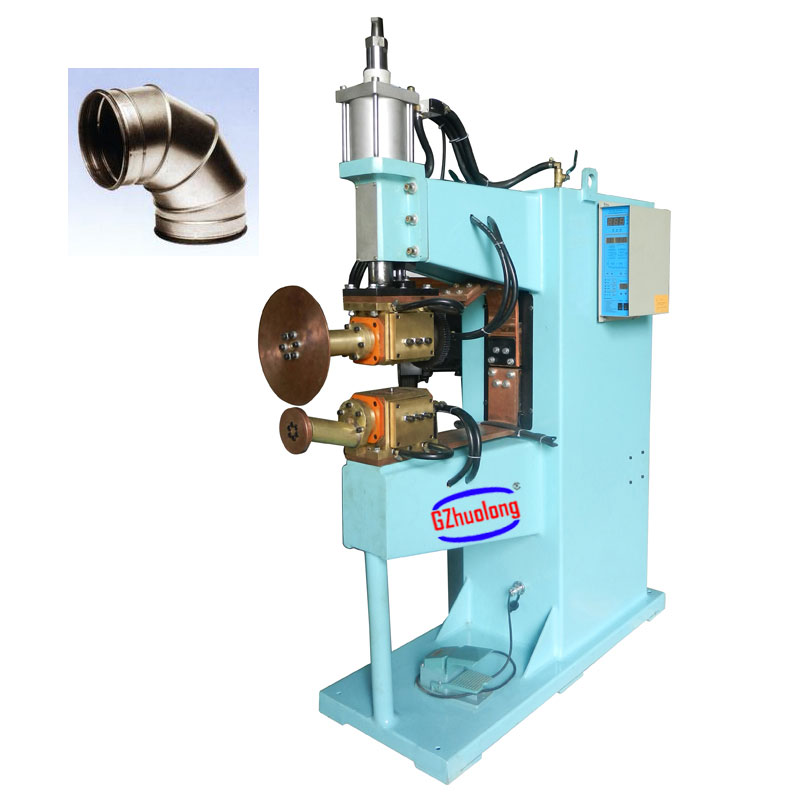
Ring butt welding is a high-tech process for joining metal pipes and fittings, providing a strong and leak-tight connection. The process is based on heating the edges of the parts to be joined and then compressing them under pressure, which leads to the formation of a weld. To perform this work, specialized equipment is used - a machine for ring butt welding. Imagine a powerful yet precise tool that can join even the thickest-walled pipes, delivering the highest quality welds.
Operating principle and main elements
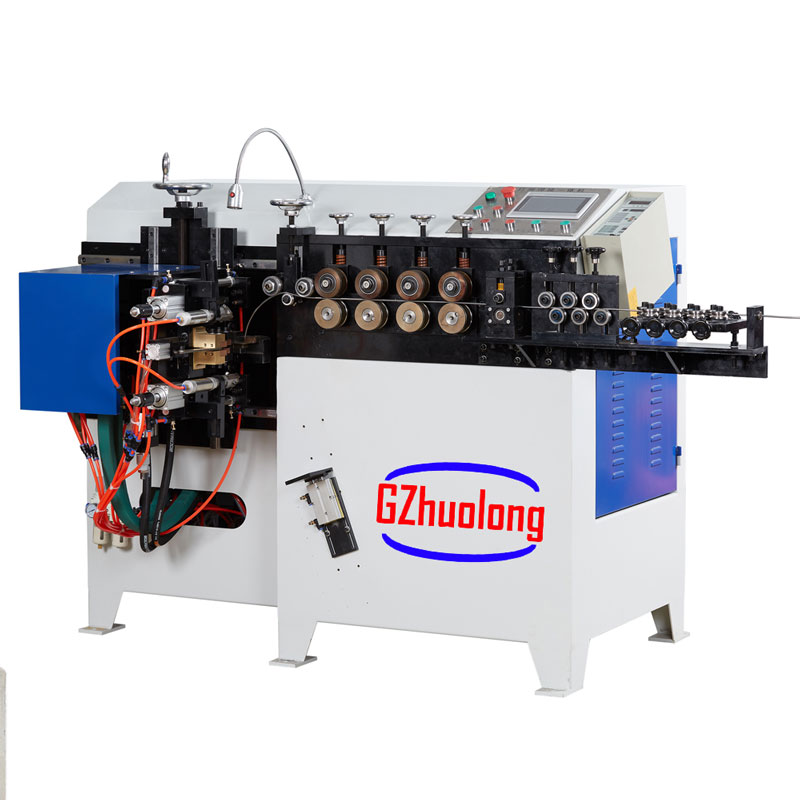
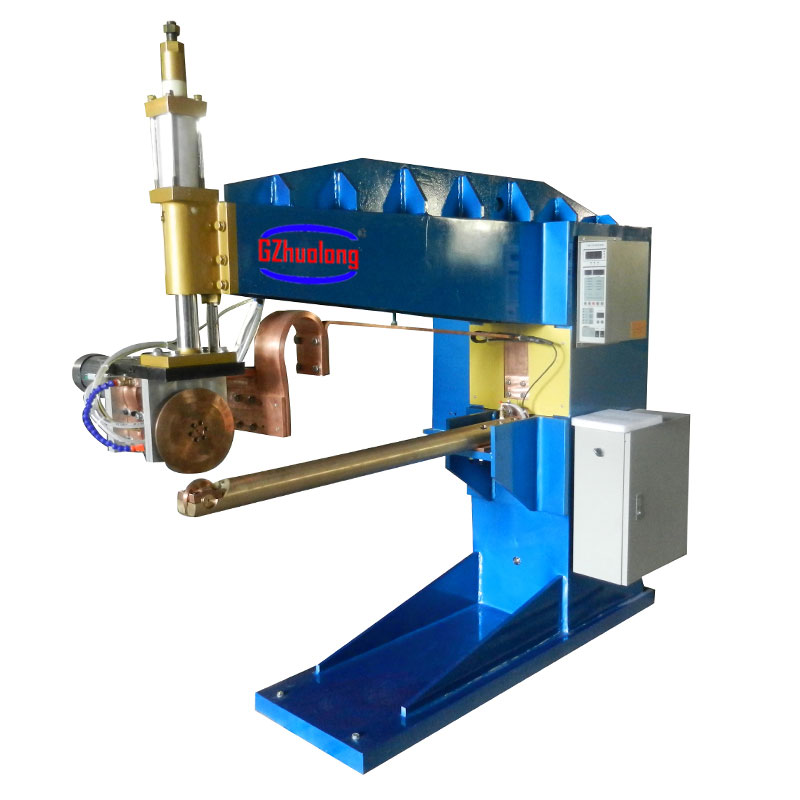
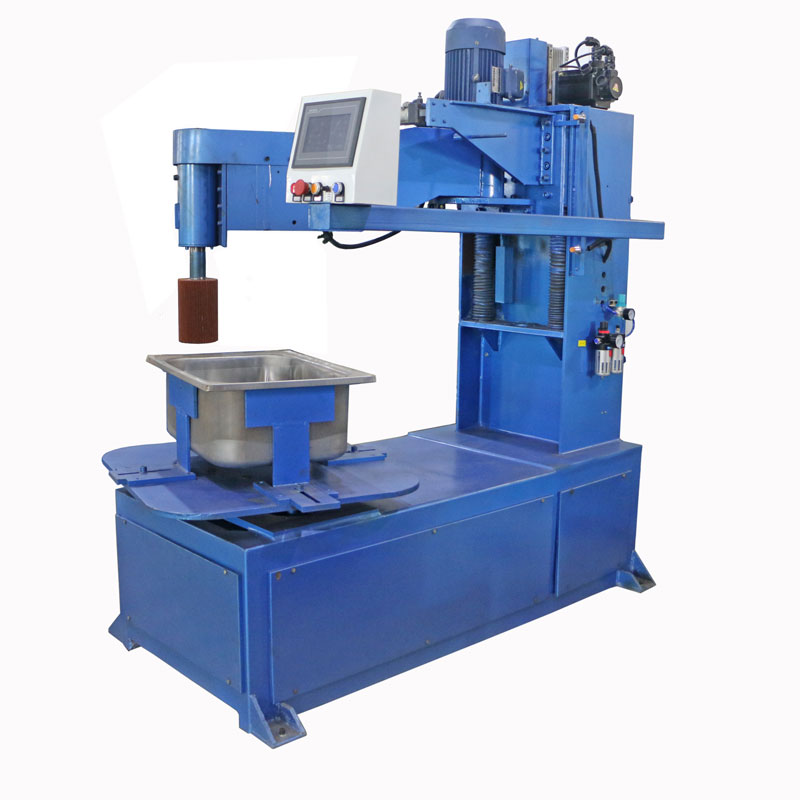
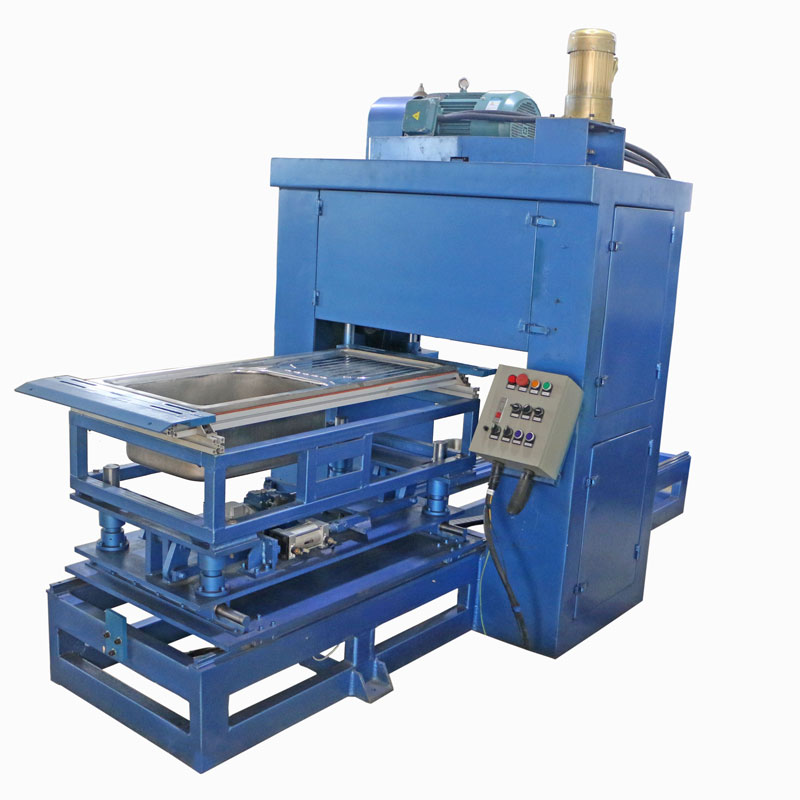
A ring butt welding machine is a complex mechanism that includes several basic elements. First of all, these are powerful clamps that securely fix the pipes in the desired position. Then, special induction coils heat the edges of the pipes to melting temperature, after which a powerful hydraulic mechanism presses them together to form a weld. During the welding process, precise control of temperature and pressure is important, which ensures high strength and reliability of the connection. In addition, the machine is equipped with a control and safety system that prevents possible errors and accidents. Overall, this is a high precision tool that requires a skilled operator.
Advantages of circumferential butt welding
Compared to other welding methods, circumferential butt welding has a number of undeniable advantages. Firstly, it is the high strength and tightness of the connection. The seam is monolithic and can withstand significant loads. Secondly, the welding process is relatively fast and efficient. Thirdly, this method allows you to weld pipes made of various materials, including steel, stainless steel and other metals. Due to this, circumferential butt welding is widely used in various industries, from the construction of oil and gas pipelines to the production of chemical equipment.
Application in various industries
Due to their unique properties, circumferential butt welding machines have found wide application in various industries. In the oil and gas industry they are indispensable in the construction of main pipelines. In the chemical industry - when creating technological equipment operating under high pressure. In the energy sector - for installation of heating networks and water supply systems. The high reliability and performance of these machines make them indispensable assistants in a variety of areas where it is necessary to create strong and tight connections of metal pipes.