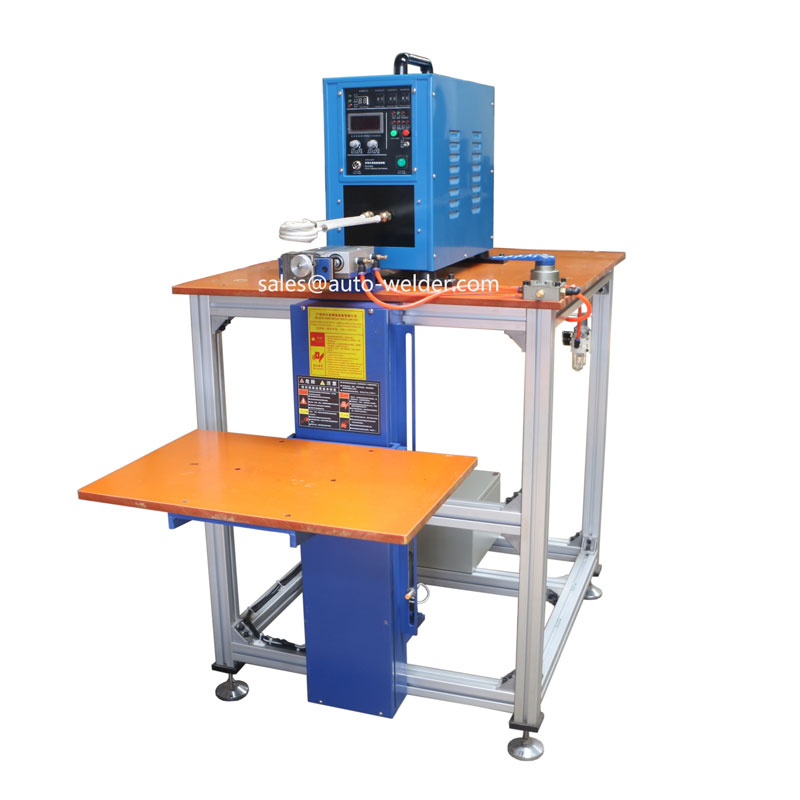
Resistance spot welding machine: factories of the future
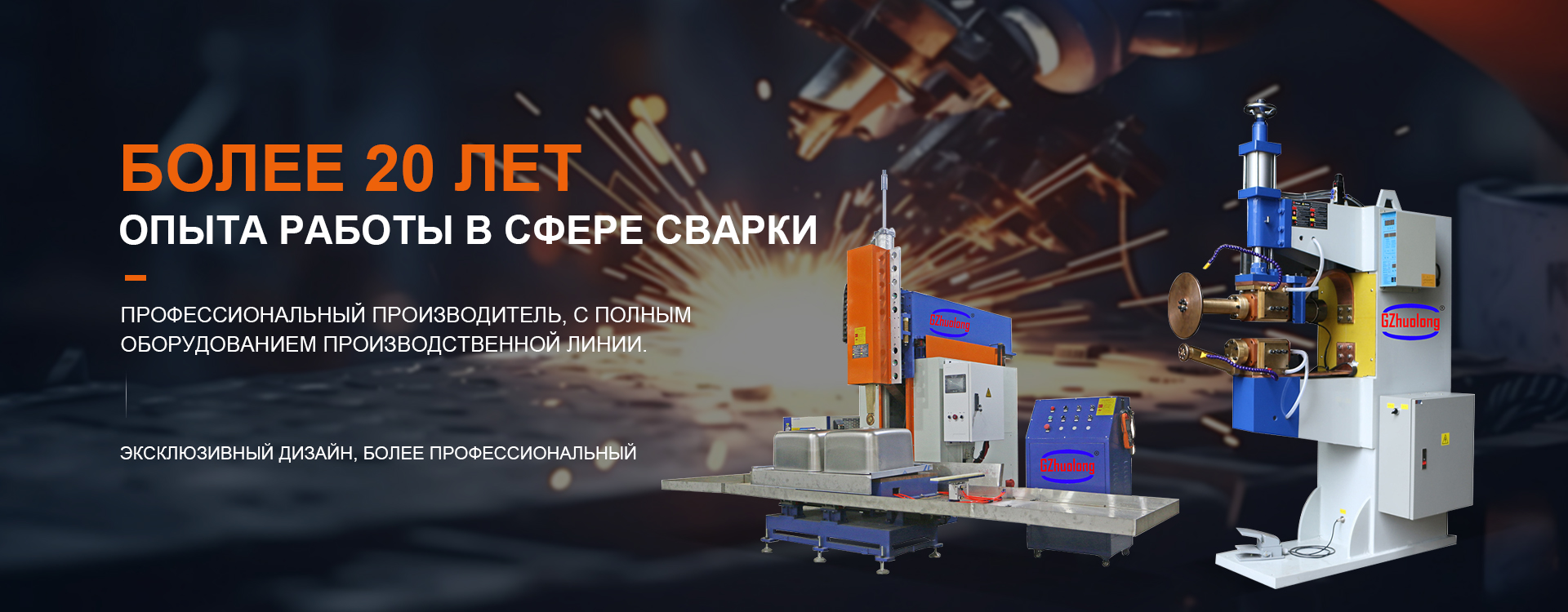
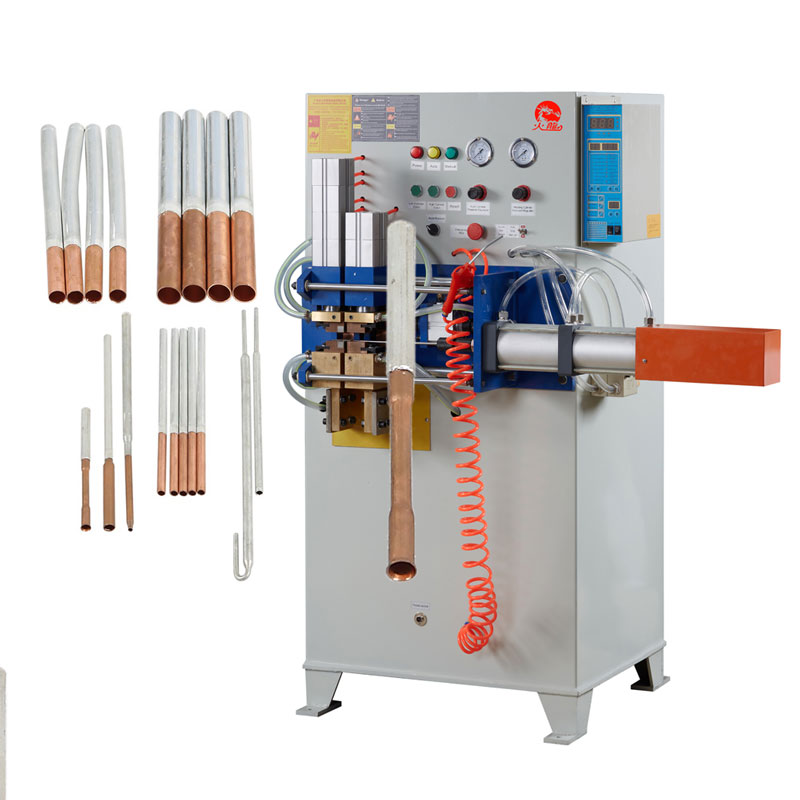
Resistance spot welding is a technology that is indispensable in many modern factories. It allows you to connect metal parts with high speed and precision, creating strong and reliable welds. Often we don’t even think about how many objects around us - from car bodies to household appliances - are created using this method. But how does this metal time machine work, and why is it so important for factories?
Working principle: power and heat
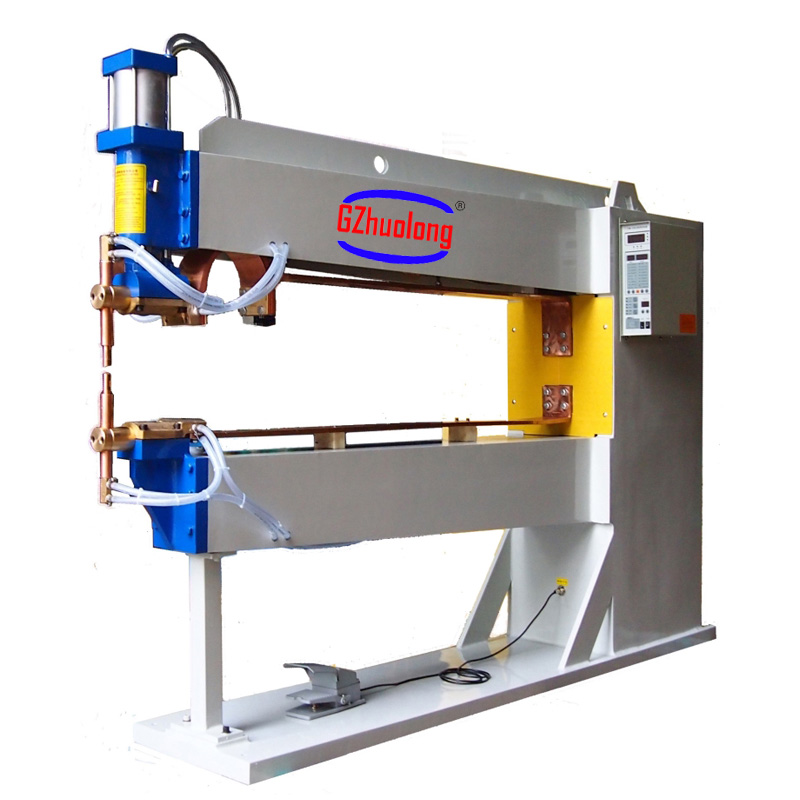
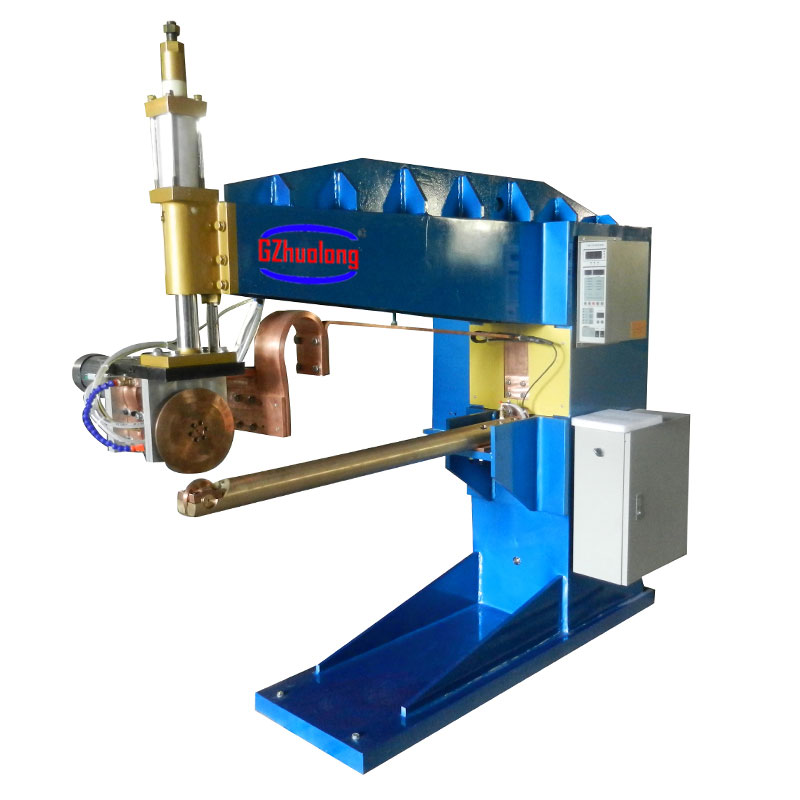
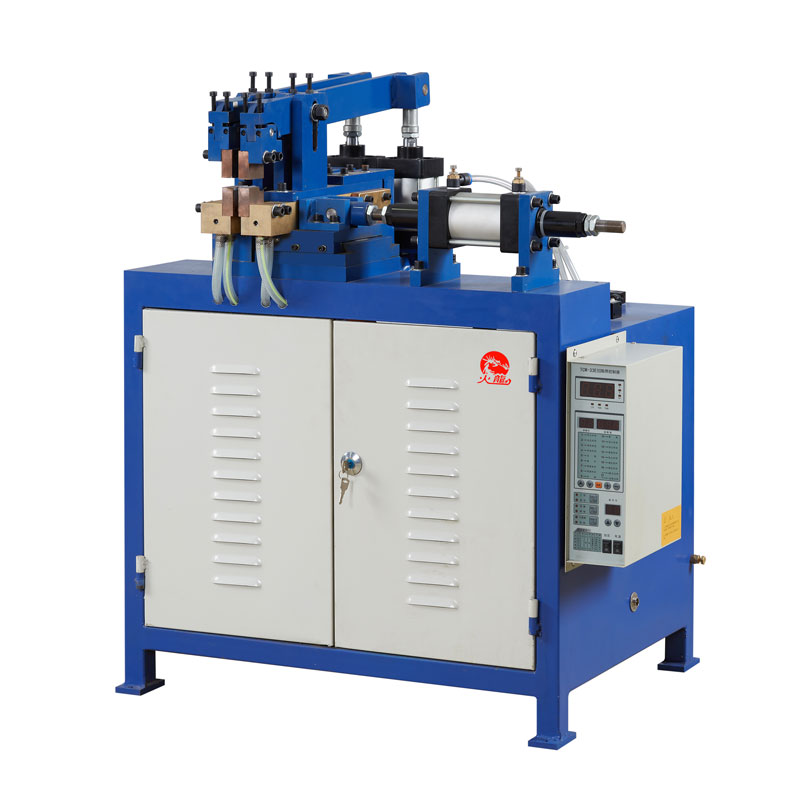
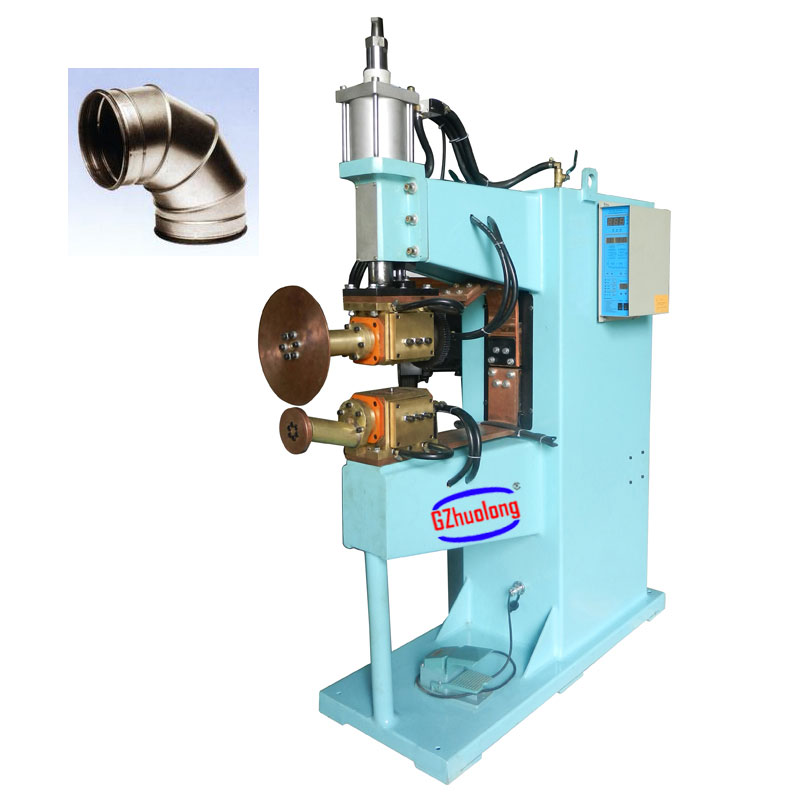
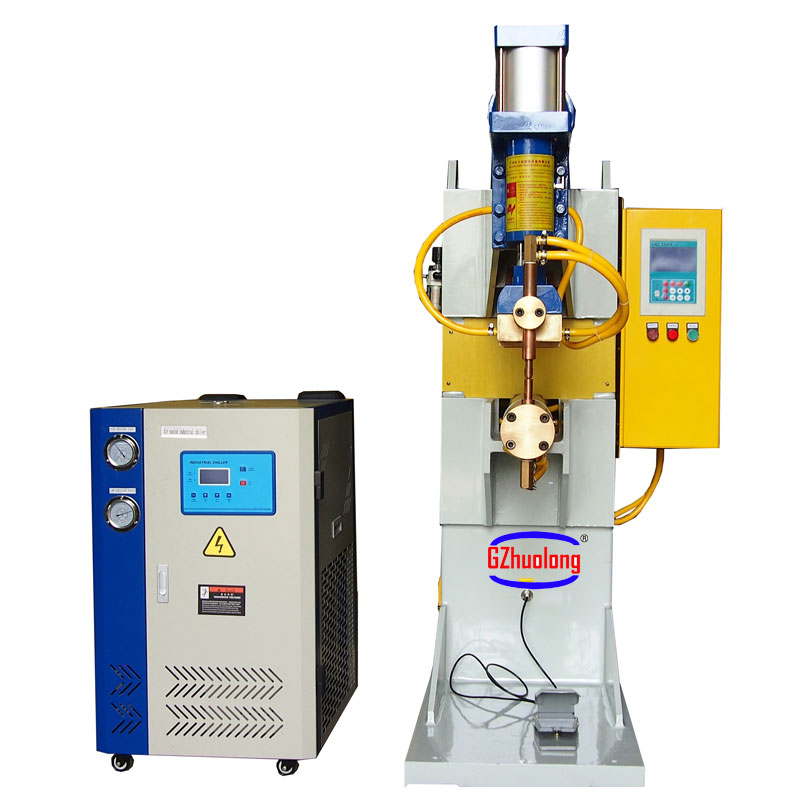
Imagine two sheets of metal that need to be joined. The resistance spot welding machine compresses them with enormous force between two electrodes. At the same time, a powerful electric current is passed through these electrodes. At the point of contact between metals, strong resistance arises, which converts electrical energy into heat. This heat melts the metal at the point of contact, forming a welded joint. The process occurs very quickly, in a fraction of a second, which allows welding to be carried out with high productivity. Imagine a tiny electrical fire that instantly connects parts.
Advantages and applications in factories
The main advantage of resistance spot welding is its high speed and efficiency. This allows you to significantly speed up the production process and reduce production costs. Moreover, the welds are very strong and sealed, which is especially important for products subject to stress or exposure to various environments. In the automotive industry, for example, this technology is widely used for welding car bodies. But its use is not limited to the automotive industry. Resistance spot welding is used in the production of household appliances, electronics, aviation and space industries, and many other industries.
Factories of tomorrow: automation and precision
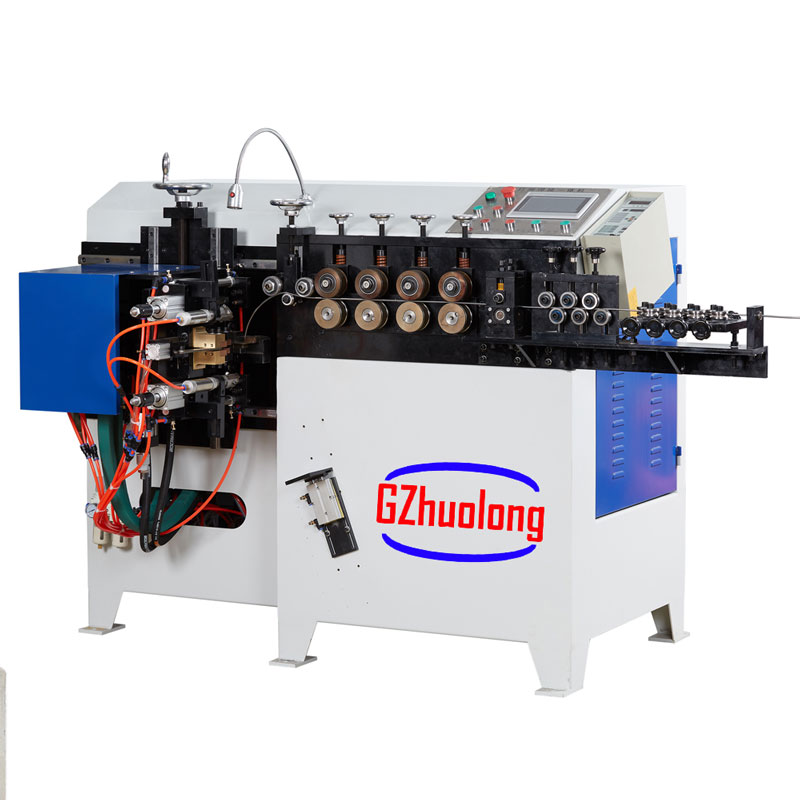
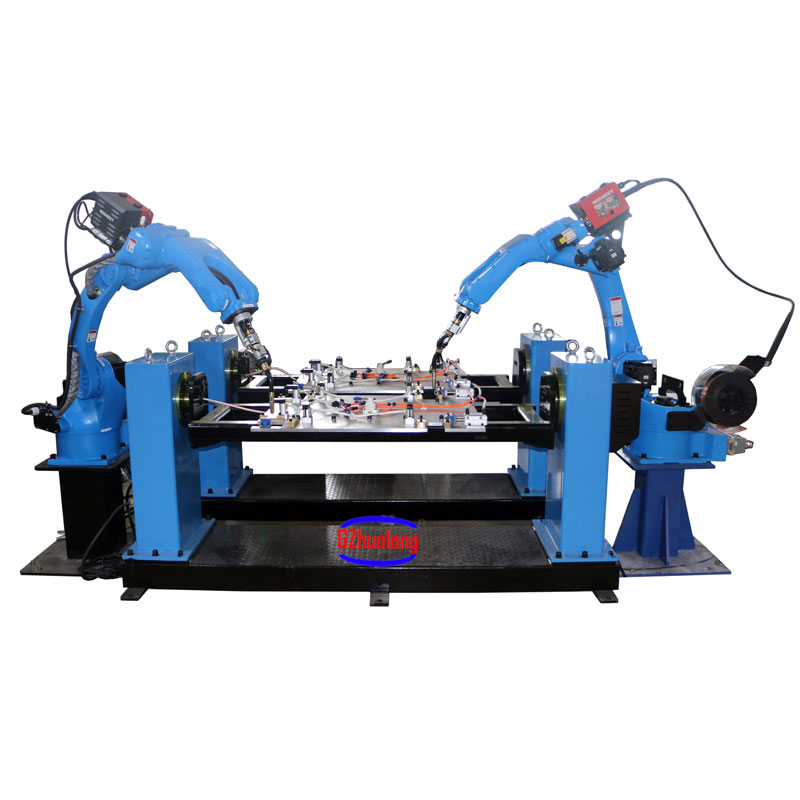
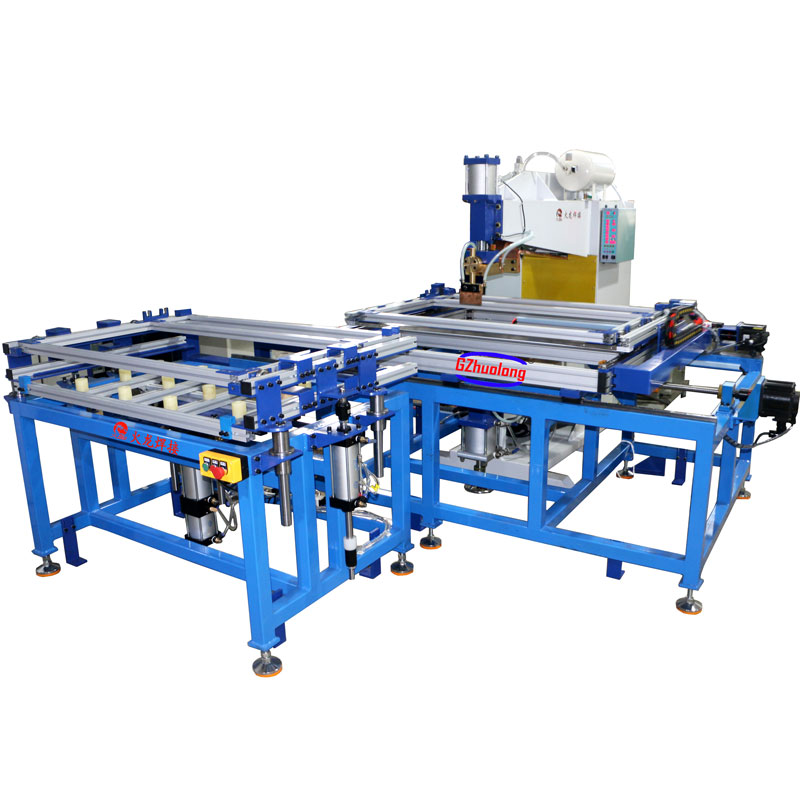
Modern resistance spot welding machines are high-tech equipment equipped with automatic control and monitoring systems. They allow welding to be carried out with high precision, ensuring reproducible results and consistent quality of welds. Process robotization can increase productivity and reduce labor costs, making factories more efficient and competitive. Thanks to the constant development of technology, resistance spot welding machines are becoming more and more advanced, ensuring the production of high-quality products in large volumes. This is the key to the success of the factories of the future.