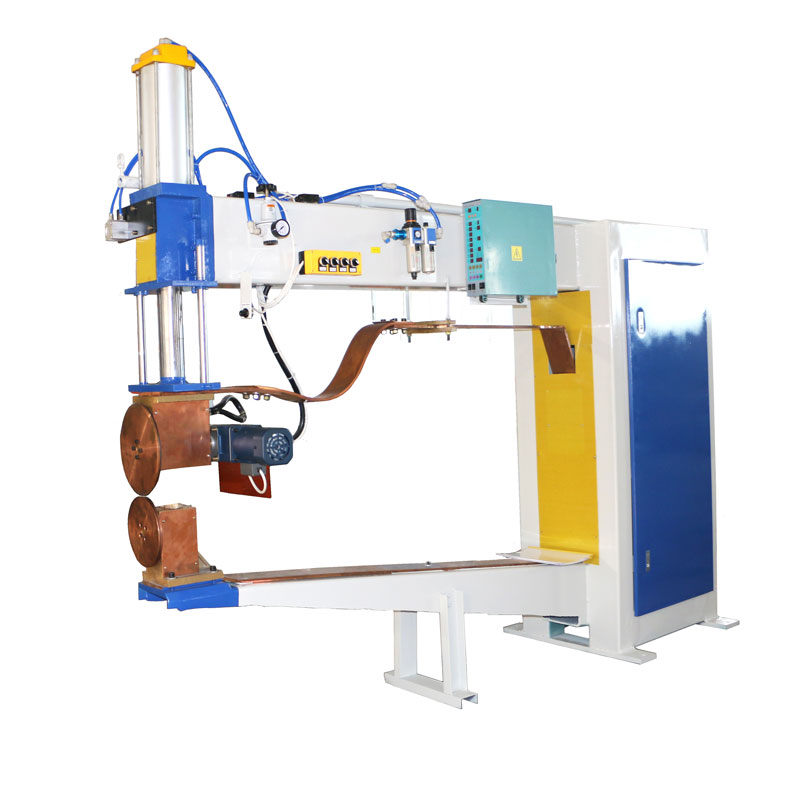
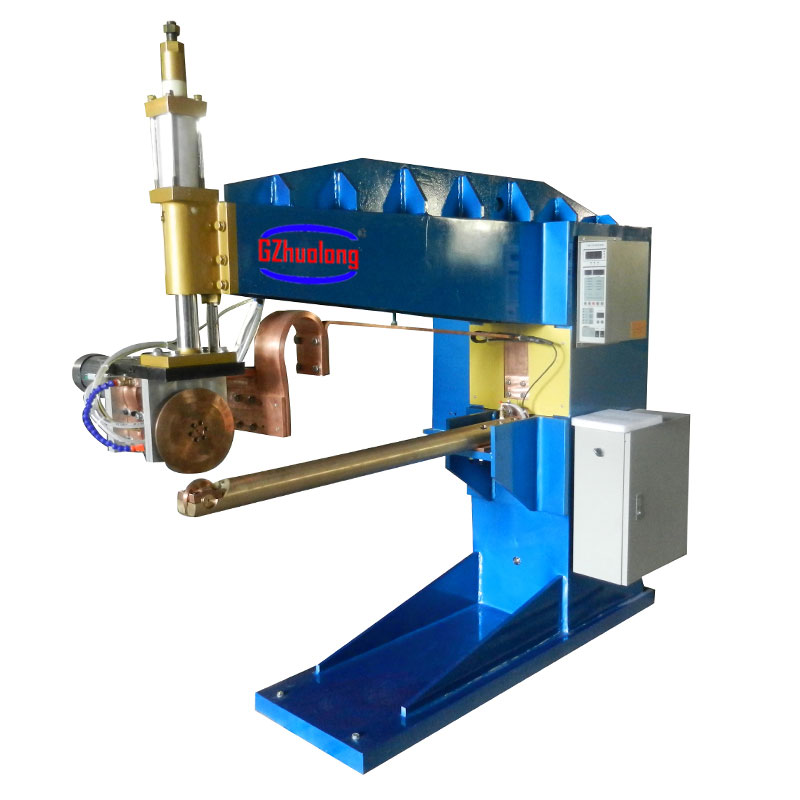
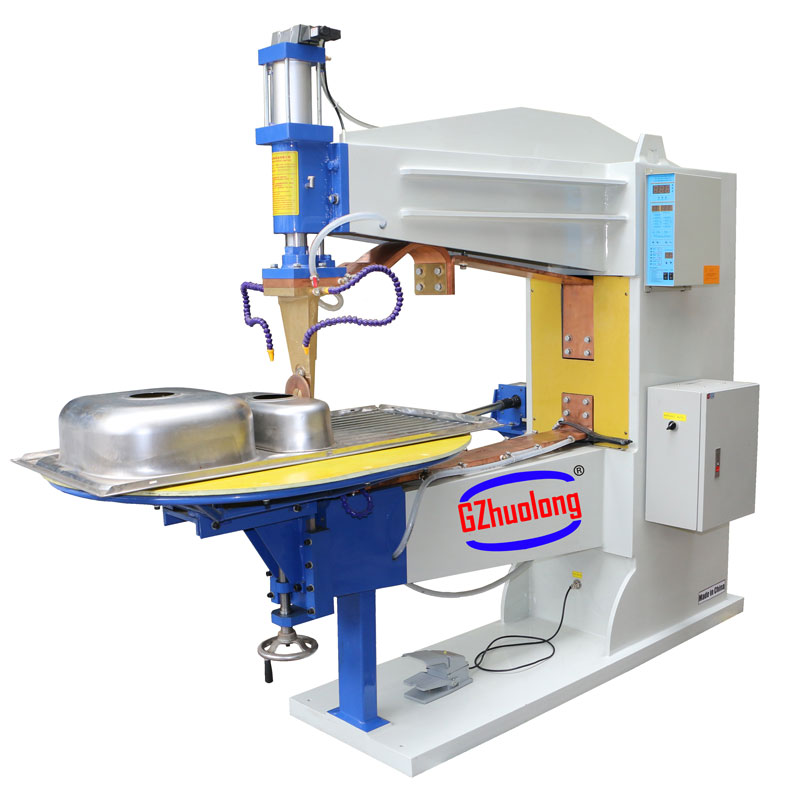
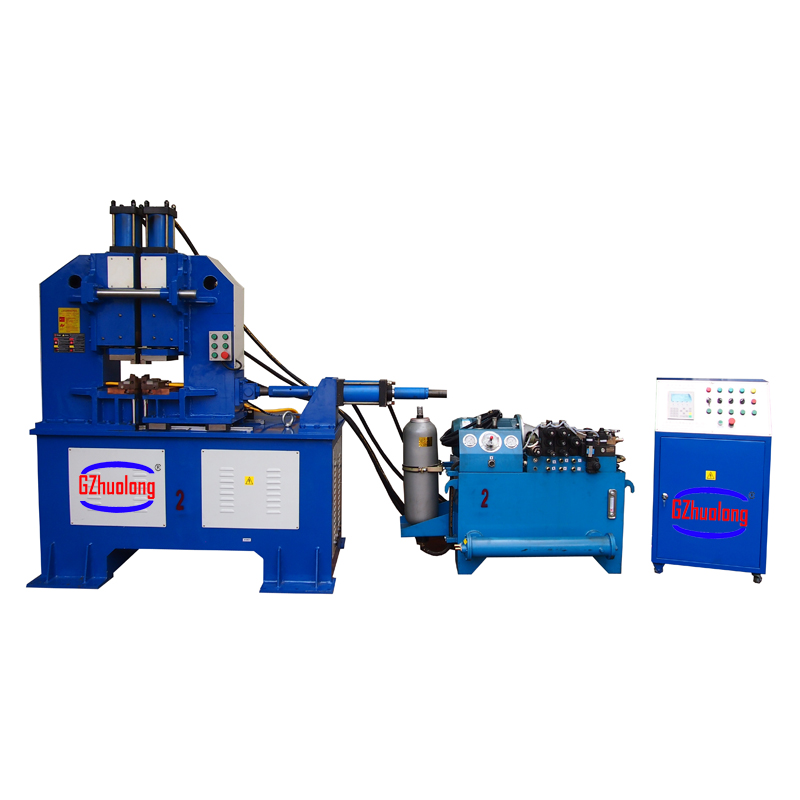
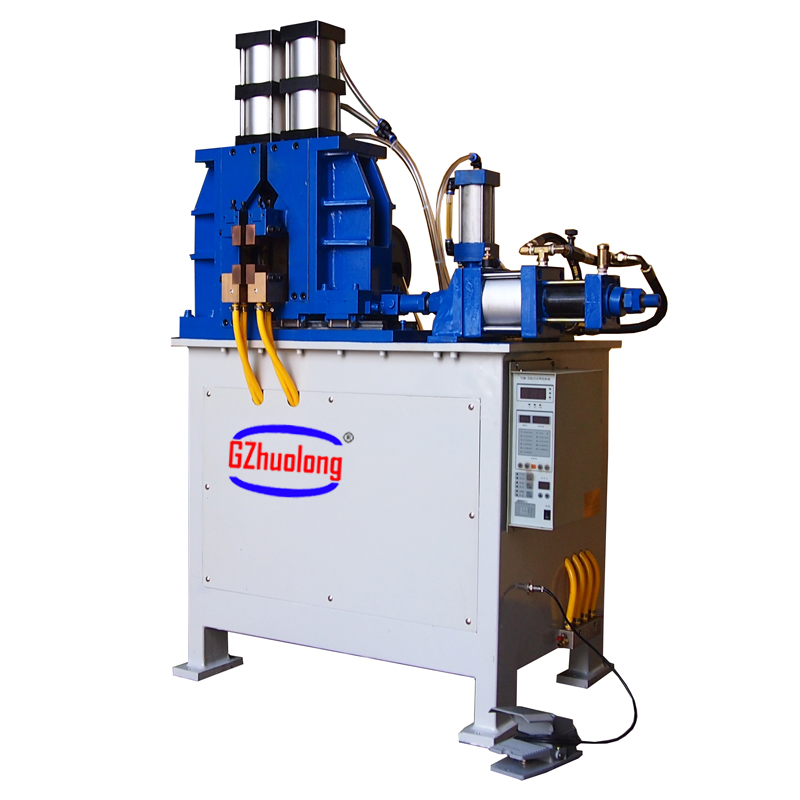
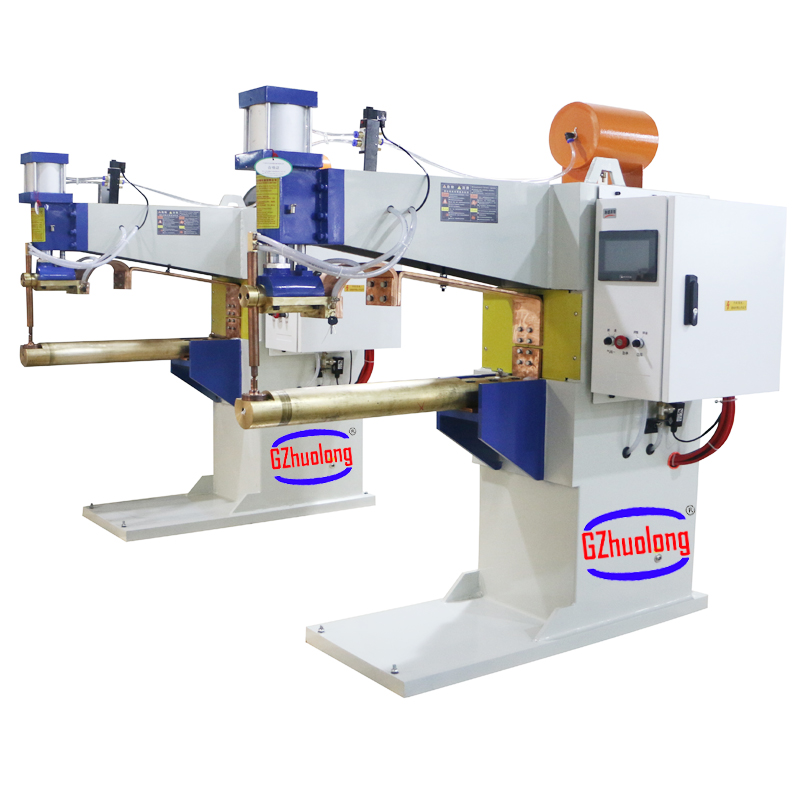
Welding machine for rolling longitudinal seams
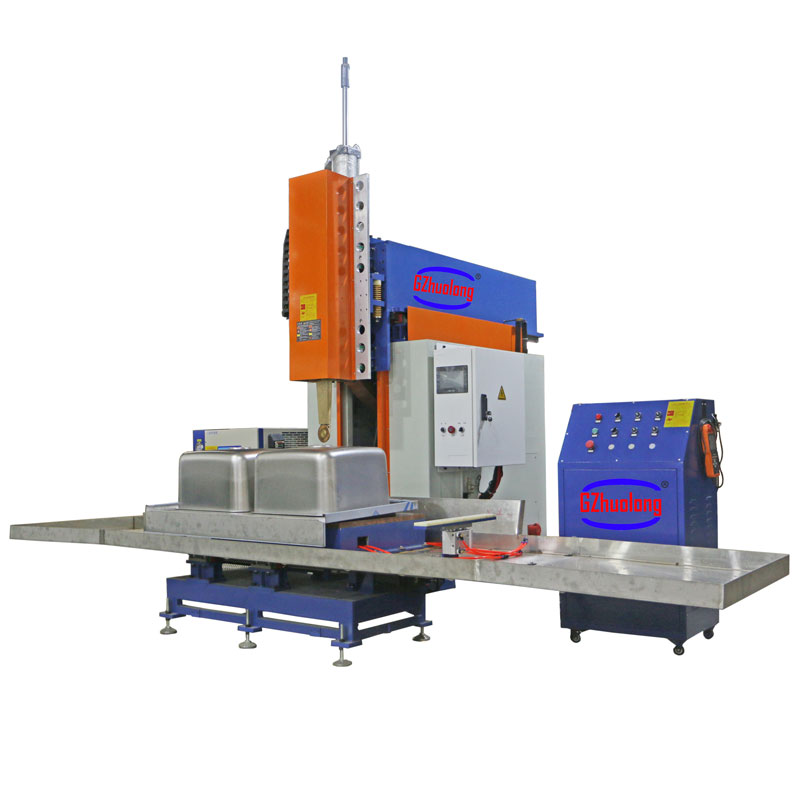
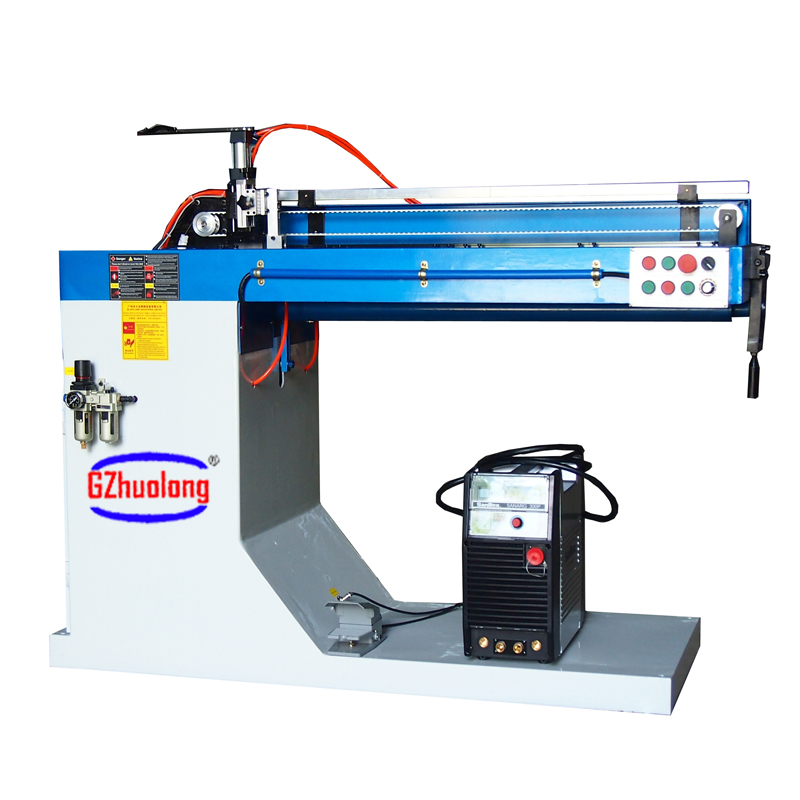
Rolling longitudinal seams is a complex technological process that requires high-precision and reliable equipment. The welding machine used in this process is not just a tool, but a high-tech machine responsible for the quality and strength of the future product. Its design and functionality directly affect the characteristics of the weld, and therefore the performance properties of the finished product. Choosing the right machine is a task that requires taking into account many factors, from the type of metal to the required performance.
Types of rolling welding machines
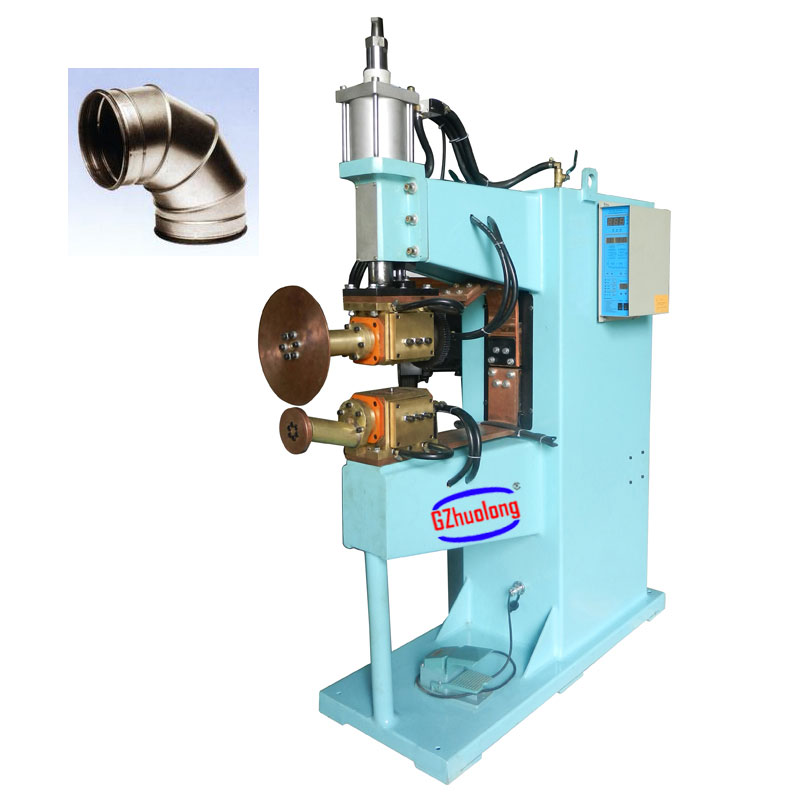
There are several types of welding machines used for rolling longitudinal seams. The choice of a specific type depends on several parameters: metal thickness, material, required welding speed and desired weld quality. For example, resistance welding machines are often used for thin sheet metal, providing high speed and accuracy. Thicker sheets may require arc welding machines to create strong and reliable joints. There are also combined devices that combine the advantages of several technologies. Modern models are often equipped with automatic control systems that improve welding quality and reduce the influence of the human factor.
Features of design and functionality
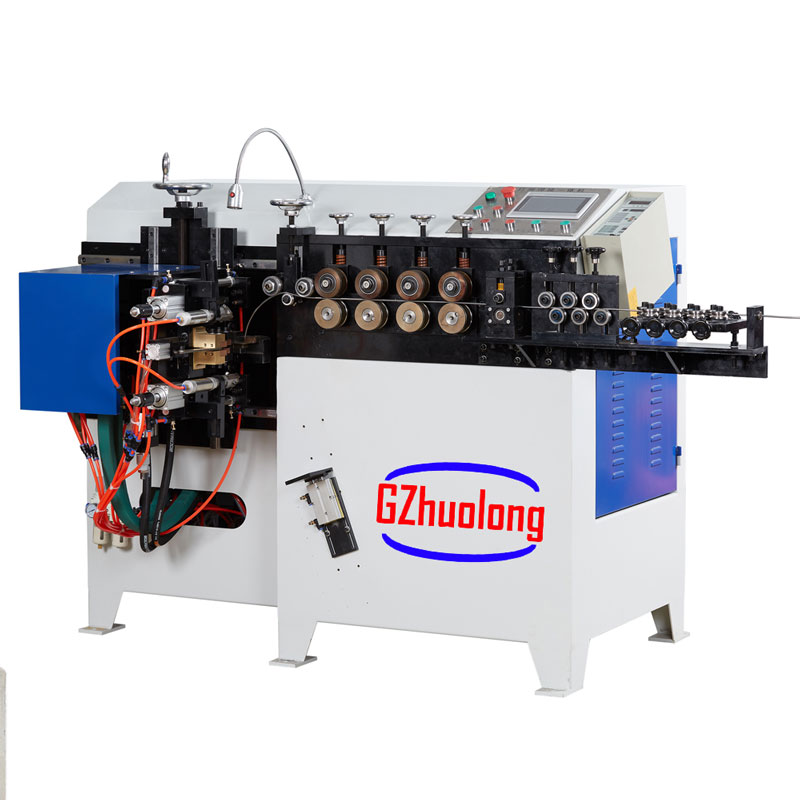
The key element of any rolling welding machine is the wire feed system (when using arc welding) or electrodes (when using resistance welding). This system should ensure a uniform supply of material, preventing the formation of defects in the seam. In addition, it is important to have an effective cooling system to prevent overheating of the machine and ensure stability of the welding process. Some machines are equipped with seam quality control systems that allow real-time monitoring of welding parameters and identifying possible defects. Modern machines are often integrated with automation systems, which allows you to control the welding process remotely and program various operating modes.
Benefits of using specialized equipment
The use of a specialized welding machine for rolling longitudinal seams provides a number of undeniable advantages. Firstly, it is high productivity and welding speed, which significantly reduces production time. Secondly, it is a guaranteed high quality seam, ensuring the strength and durability of the finished product. Thirdly, it automates the process, reducing the influence of the human factor and increasing the repeatability of results. Finally, modern devices often have self-diagnosis and fault warning functions, which ensures uninterrupted operation and reduces the risk of downtime.