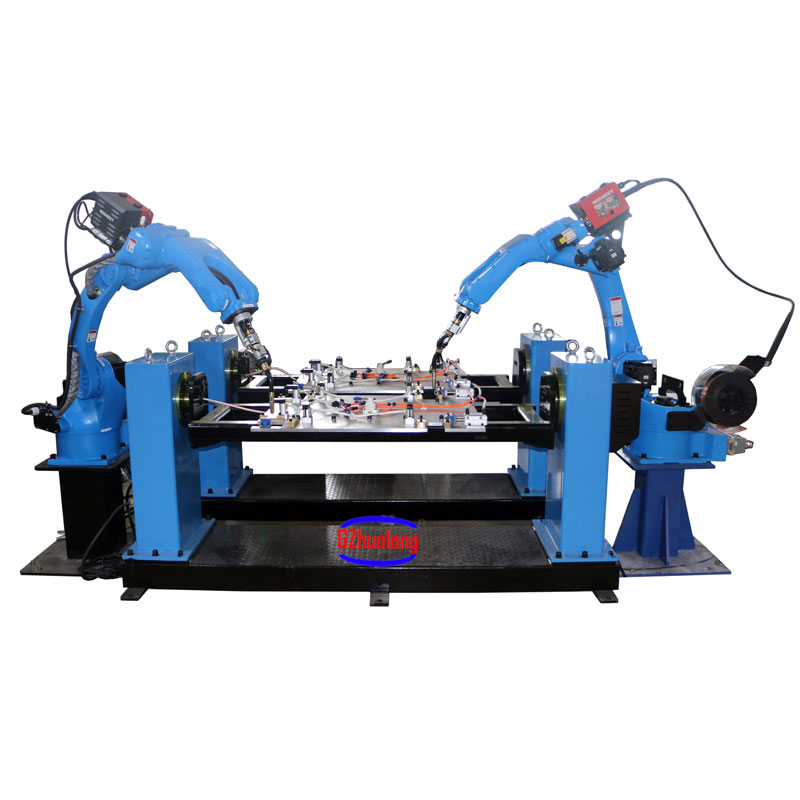
The robotic arm is capable of performing welding work
In the modern world, automation has become firmly established in many areas of production, and welding is no exception. Robotic arms, these steel assistants, are increasingly replacing humans in complex and dangerous welding jobs, demonstrating high accuracy, productivity and safety. They have become indispensable in mass production, where high speed and repeatability of operations are required. But how do they do it? Let's figure it out.
Programmable precision and stability
Robotic arms are more than just mechanical arms. They are equipped with complex control systems that allow their movements to be programmed with micron precision. This means that the weld will be smooth and strong, without the defects inherent in manual welding, where the human factor inevitably plays a role. Fatigue, inaccuracy of movements - the robot is free from this. It performs the same operation over and over again, maintaining the highest weld quality throughout the entire process. This is especially important in mass production, where absolute identity of each part is required.
Safety first
Working with welding is always a certain risk. High temperature, sparks, harmful fumes - all this creates dangerous conditions for humans. Robotic systems help minimize these risks. The robot works in a specially designated area, protecting the welder from harmful influences. This not only improves safety, but also improves working conditions, reducing the likelihood of injury. Moreover, the use of robots allows welding to be performed in hard-to-reach places where human work would be extremely difficult or dangerous.
Development prospects
Technologies in the field of robotics are constantly improving. Modern robotic manipulators are becoming more flexible, adaptive and intelligent. They are trained to perform increasingly complex welding tasks, including welding different materials and using different welding techniques. In the future, we can expect even greater adoption of robotic welders, which will improve productivity, quality and safety in many industries.