Copper and aluminum pipes for resistance butt welding
Resistance butt welding is an effective way to join metal pipes, and copper and aluminum are popular materials used in this process. However, welding of these metals has its own characteristics due to their different physical and chemical properties.
Choosing pipe material: copper or aluminum?
The choice between copper and aluminum pipes for resistance butt welding depends on the specific requirements of the project. Copper has high thermal and electrical conductivity, making it an excellent choice for applications that require rapid heating and cooling. However, copper is more expensive than aluminum and has a higher density. Aluminum pipes, on the other hand, are lighter and cheaper, making them an attractive option for larger projects. However, due to lower thermal conductivity, the aluminum welding process may require more time and energy. It is also important to consider corrosion resistance: aluminum has better corrosion resistance in most environments.
Features of the welding process
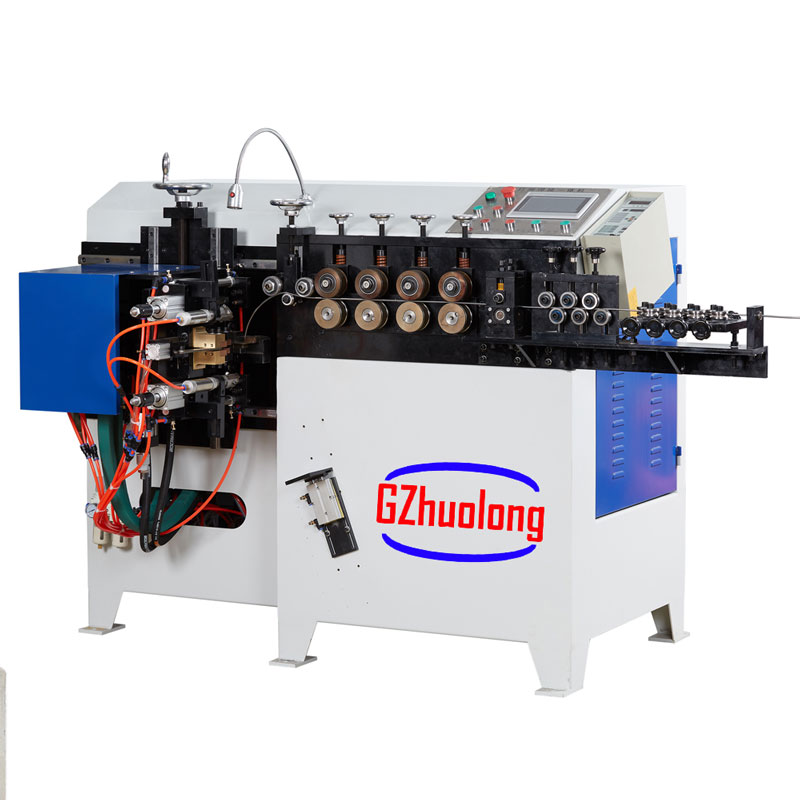
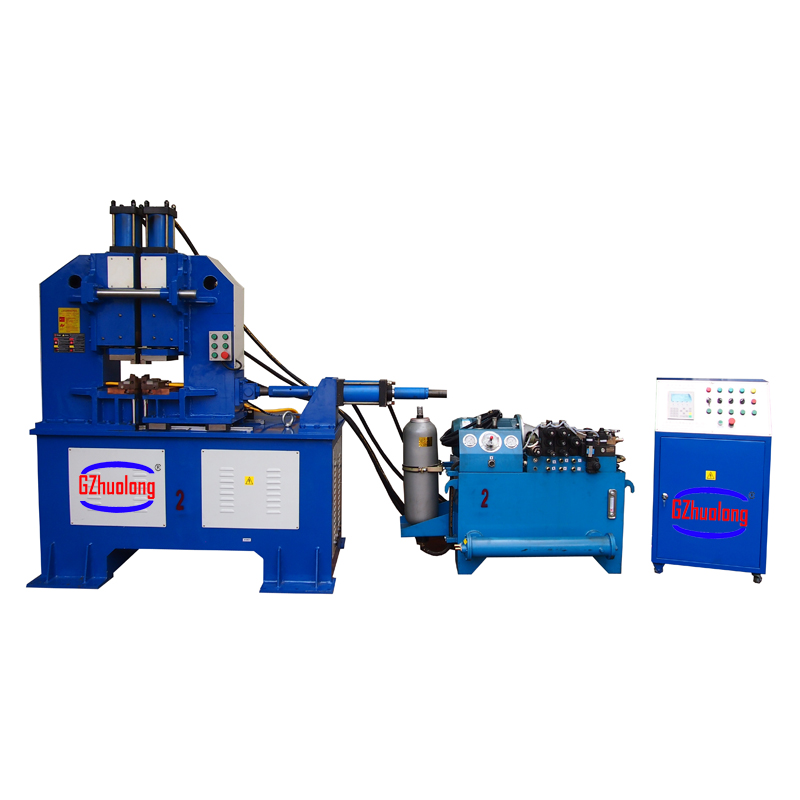
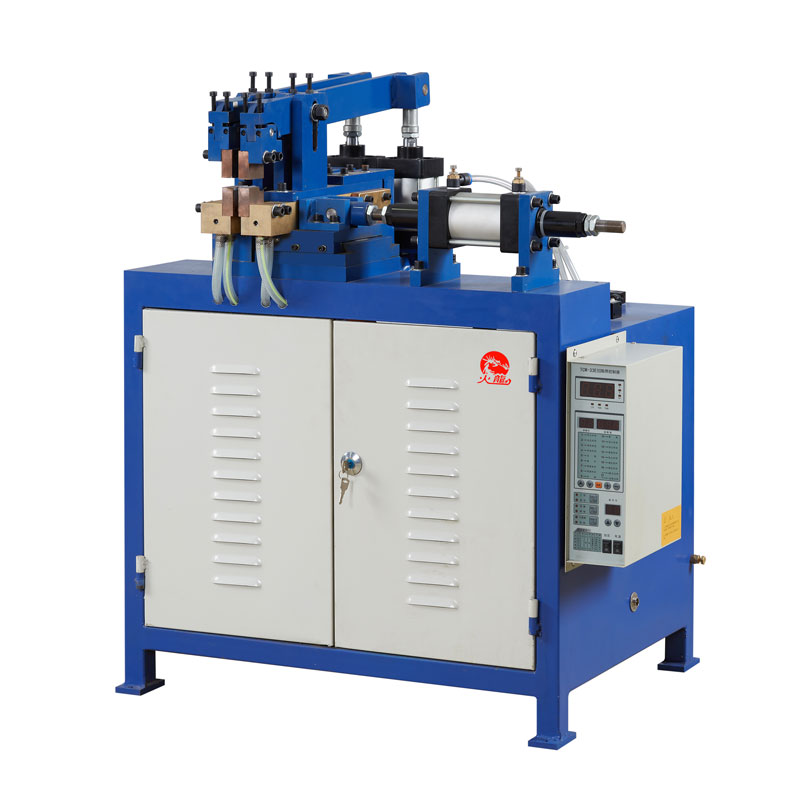
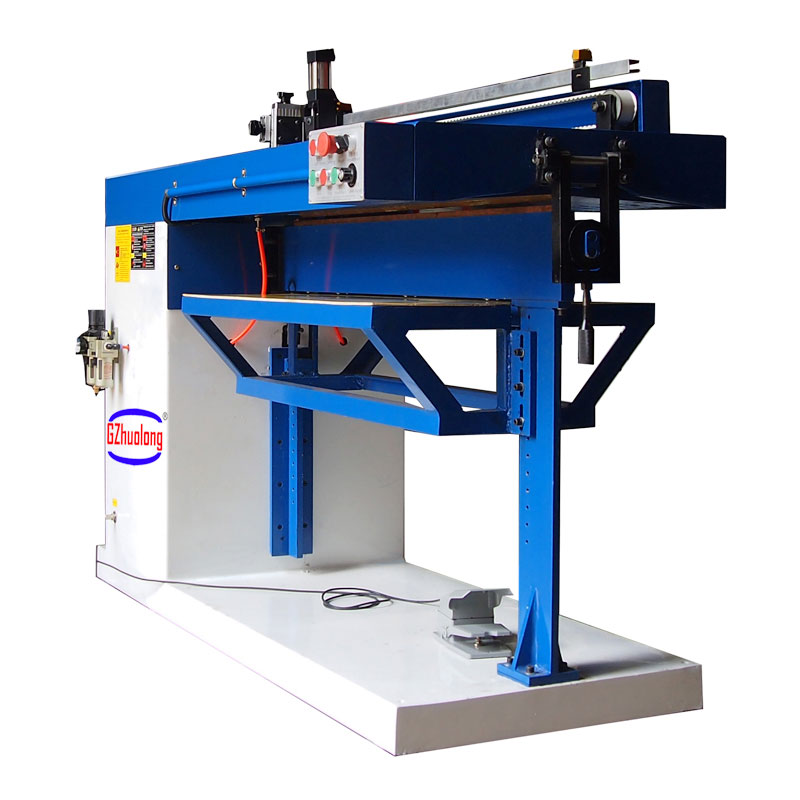
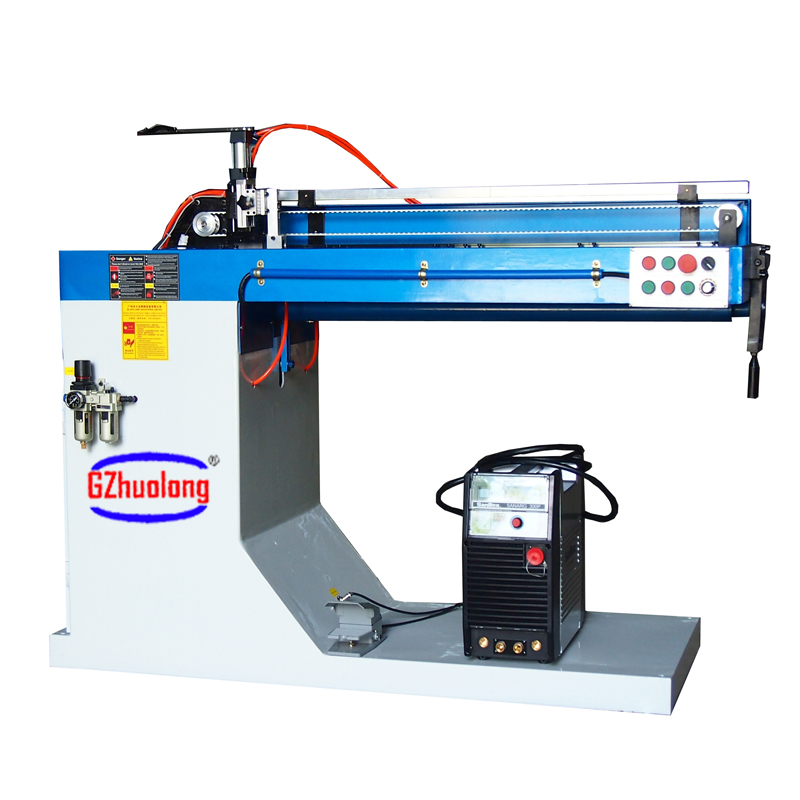
Welding copper and aluminum pipes using resistance butt welding requires special equipment and skills. The key is to precisely regulate the clamping force, current and welding time. Improper adjustment of these parameters can lead to weld defects such as lack of fusion, porosity or cracks. Aluminum often requires the use of special fluxes or shielding gases to prevent the formation of an oxide film that would interfere with a good bond. Copper, although less susceptible to the formation of an oxide film, still requires a careful approach to the selection of welding parameters.
Weld quality and control
After welding, it is extremely important to check the quality of the connection. Visual inspection helps identify surface defects, and non-destructive testing methods such as ultrasonic flaw detection can evaluate the internal condition of the weld. Only after careful testing can you be sure of the reliability and durability of the connection, which is critical for a variety of applications, from plumbing systems to electrical structures. Properly performed resistance butt welding provides a strong and tight connection between copper and aluminum pipes, ensuring reliable operation of the entire system.