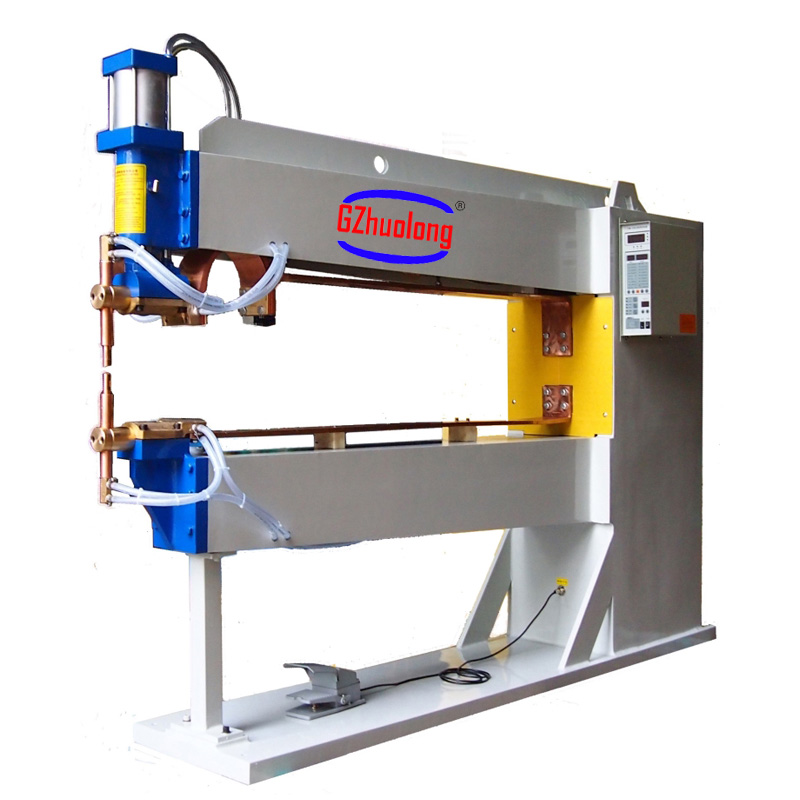
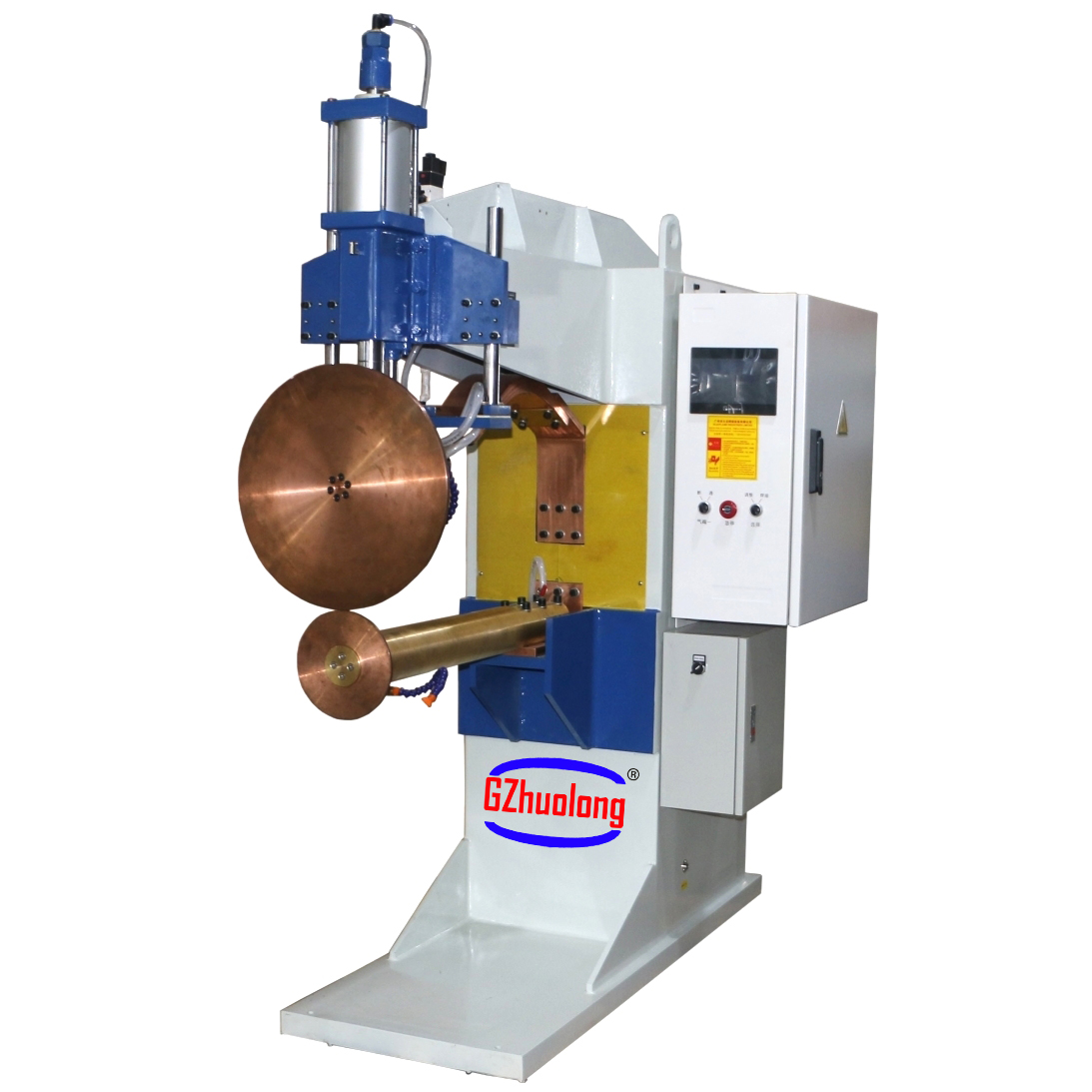
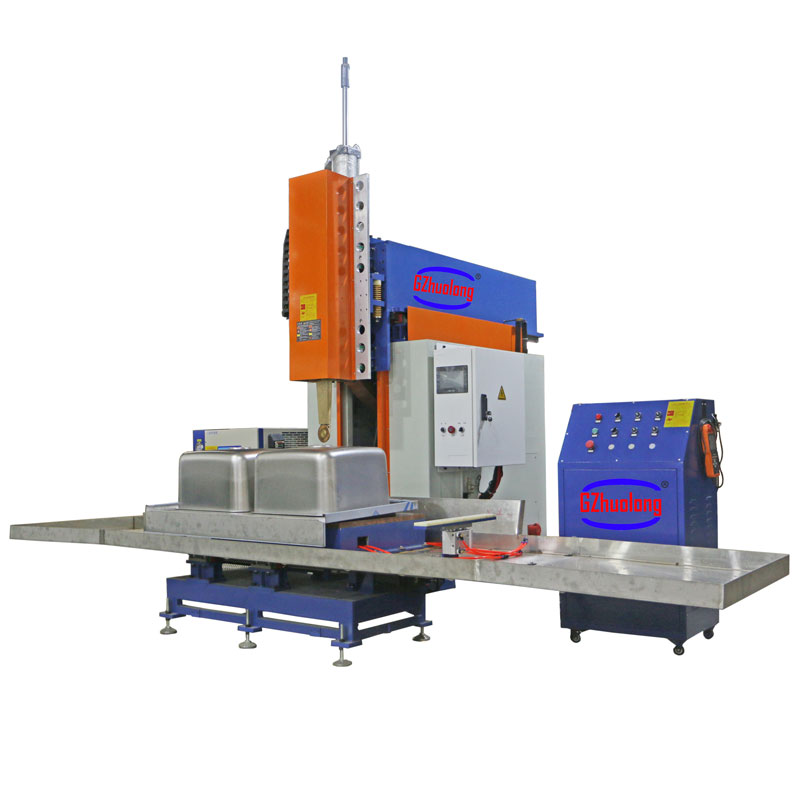
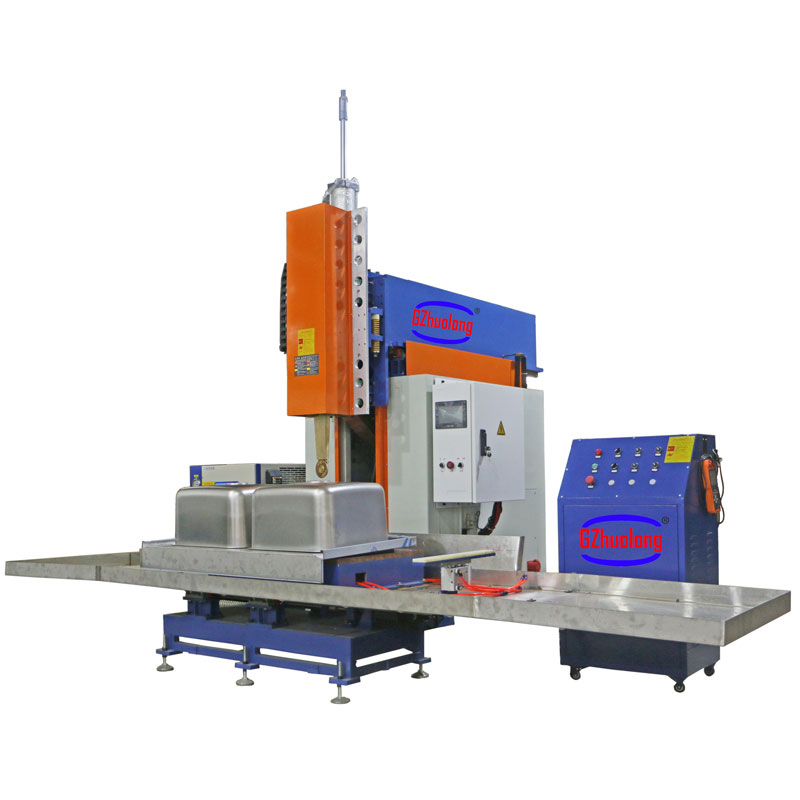
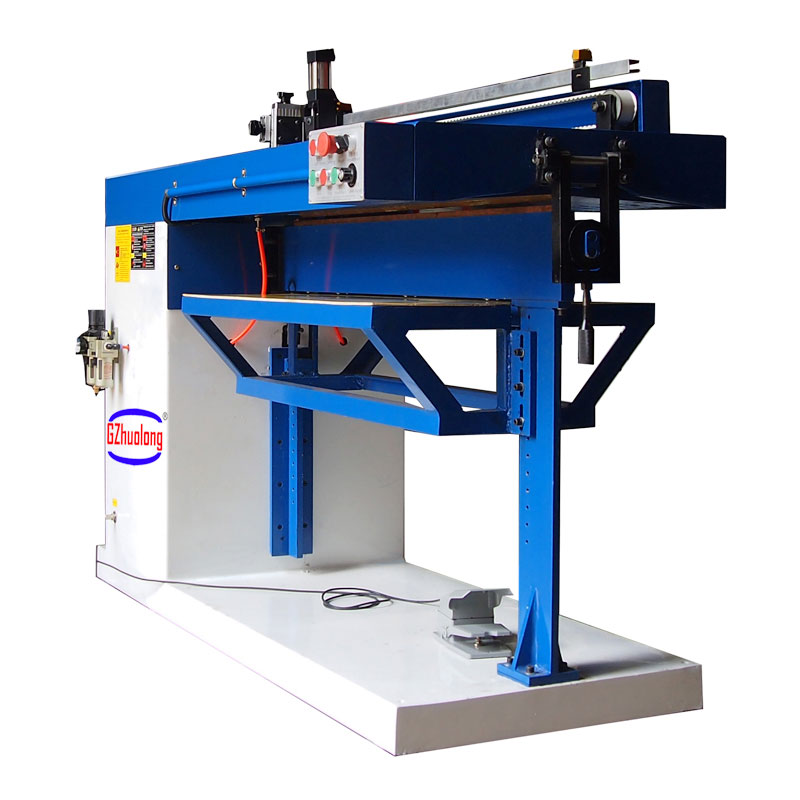
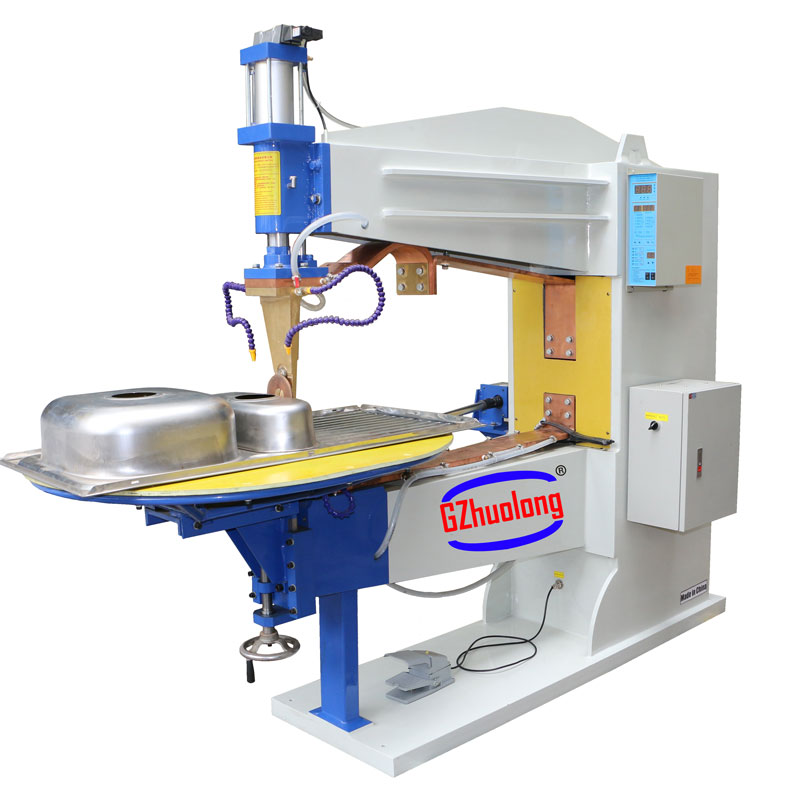
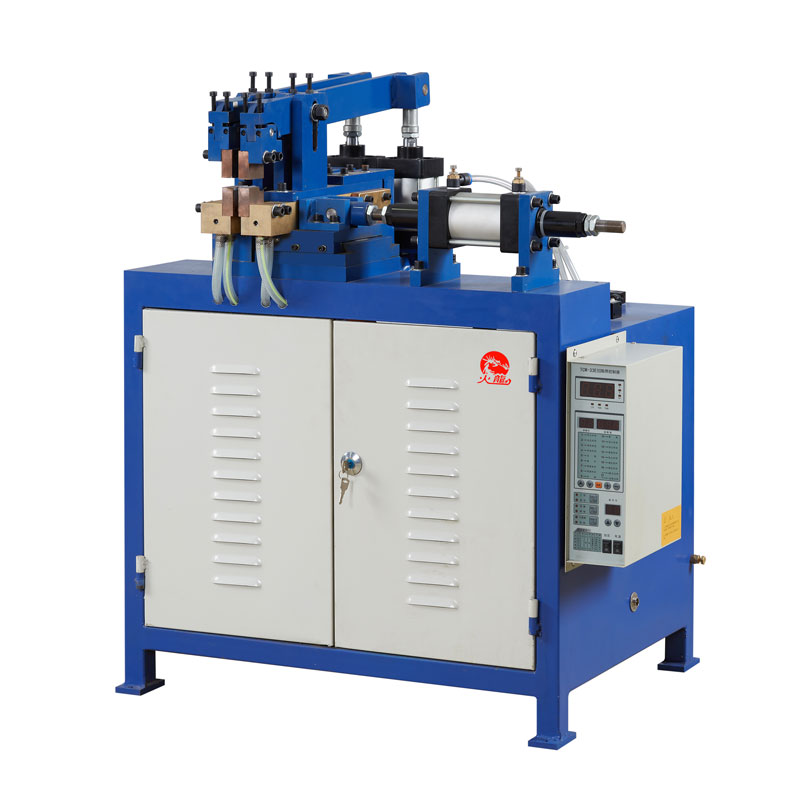
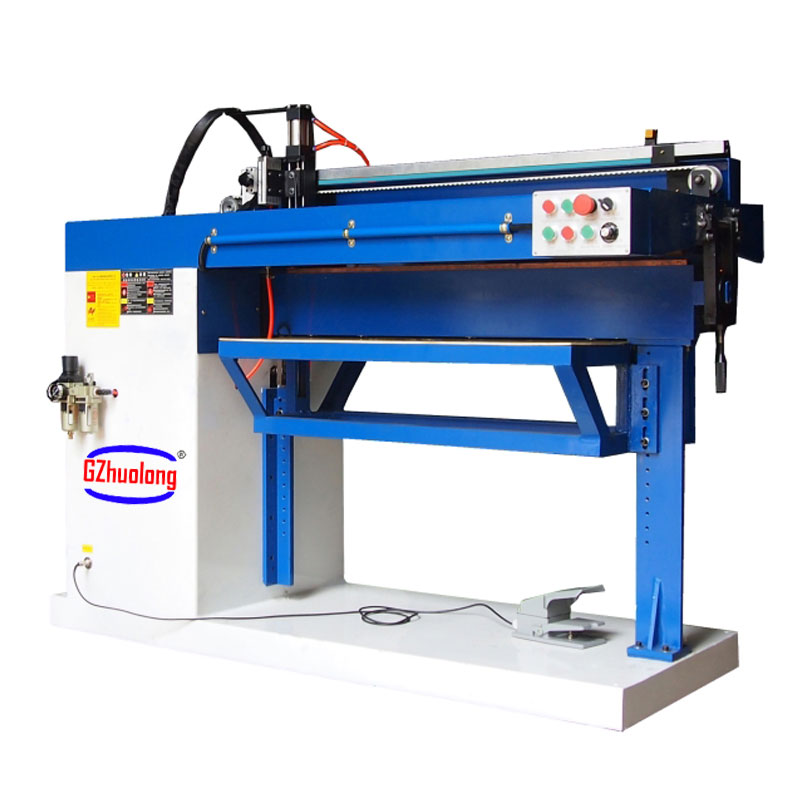
Intermediate Frequency Seam Welding Machine
Seam welding is a technology that allows you to create strong and sealed welds on metal sheets. The key role in this process is played by the intermediate frequency (IF), which sets the rhythm of operation of the welding equipment. Understanding how the inverter operates will help you better appreciate the capabilities and limitations of this welding method.
What is intermediate frequency?
Intermediate frequency is the frequency of the electrical current used to heat the metal to welding temperature. Unlike low-frequency current (50-60 Hz), IF, as a rule, lies in the range from several kilohertz to tens of kilohertz. Why such a high frequency? The fact is that at high frequencies, deeper and more uniform penetration of current into the metal occurs, which leads to high-quality penetration and the formation of a durable seam. Imagine that low-frequency current is a thick stream of water that creates a local effect, while high-frequency current is many thin streams that evenly distribute the energy. This avoids overheating in some areas and underheating in others, thereby ensuring consistency and quality welding.
Influence of inverter on welding quality
The quality of the weld directly depends on the correct choice of intermediate frequency. A frequency that is too low may result in uneven heating and defects such as lack of fusion or scorching. Too high a frequency, on the other hand, can cause excessive heating and damage to the metal in the welding zone. Therefore, the choice of the optimal frequency is determined by the type of metal, the thickness of the sheets being welded and the required quality of the weld. Modern seam welding machines are often equipped with automatic frequency control systems, which allows optimizing the welding process and obtaining the best result. Master welders, of course, must understand these parameters and be able to configure the equipment depending on the task.
Advantages of using IF in seam welding
The use of intermediate frequency in seam welding provides a number of advantages: high welding speed, uniform heating, high quality of the seam, lower energy consumption compared to the low-frequency method. All this allows you to increase productivity and reduce production costs. Due to these advantages, IF seam welding is widely used in various industries, from automotive parts to household appliances.