Aluminum Plate Spot Welding Machine
Spot welding is an indispensable manufacturing process that allows metal sheets to be joined with high speed and precision. Aluminum, due to its lightness and corrosion resistance, is widely used in a variety of industries, from automotive to aerospace. However, aluminum welding has its own characteristics, and special equipment is required for a high-quality connection. Consider a spot welding machine designed to work with aluminum plates.
Features of the aluminum welding process
Aluminum is a metal with high thermal conductivity. This means that the heat required for welding is quickly dissipated, making the process more complex and requiring more powerful and specialized equipment. Aluminum spot welding machines typically have stronger electrodes, use a higher welding voltage, and use a shorter current pulse to achieve the required melting temperature at the welding point. In addition, it is important to take into account the cleanliness of the surface of aluminum plates - the presence of an oxide film can significantly deteriorate the quality of the connection. Therefore, before welding, surface cleaning with special brushes or chemical solutions is often used.
Design and operating principle of the welding machine
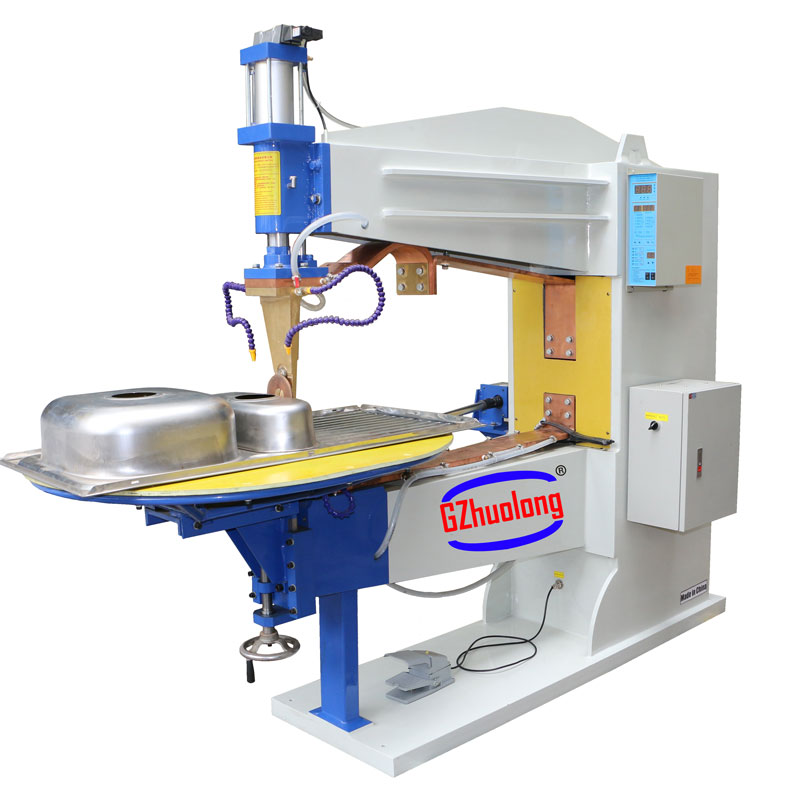
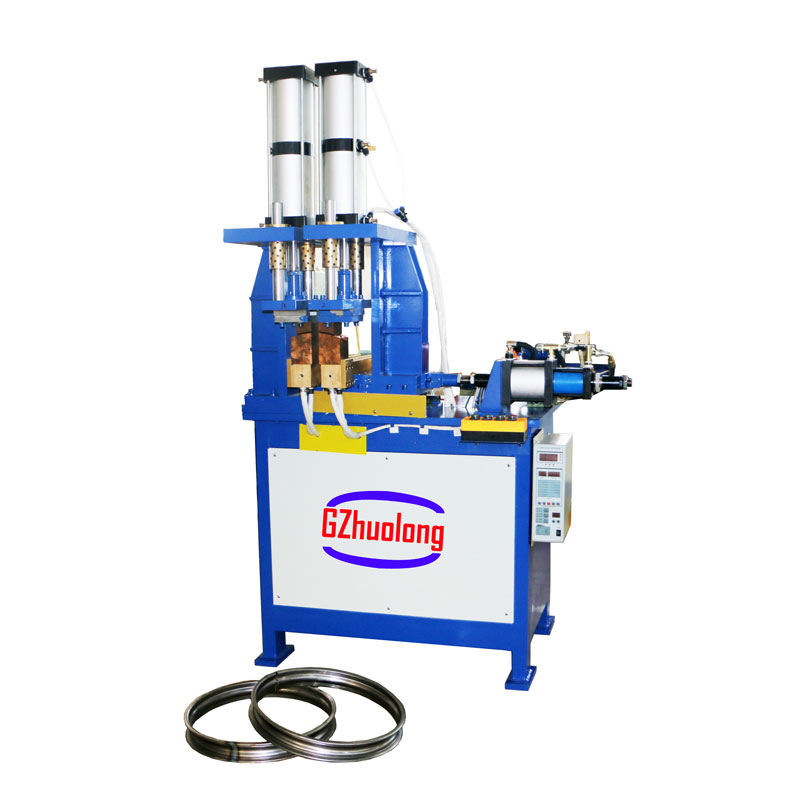
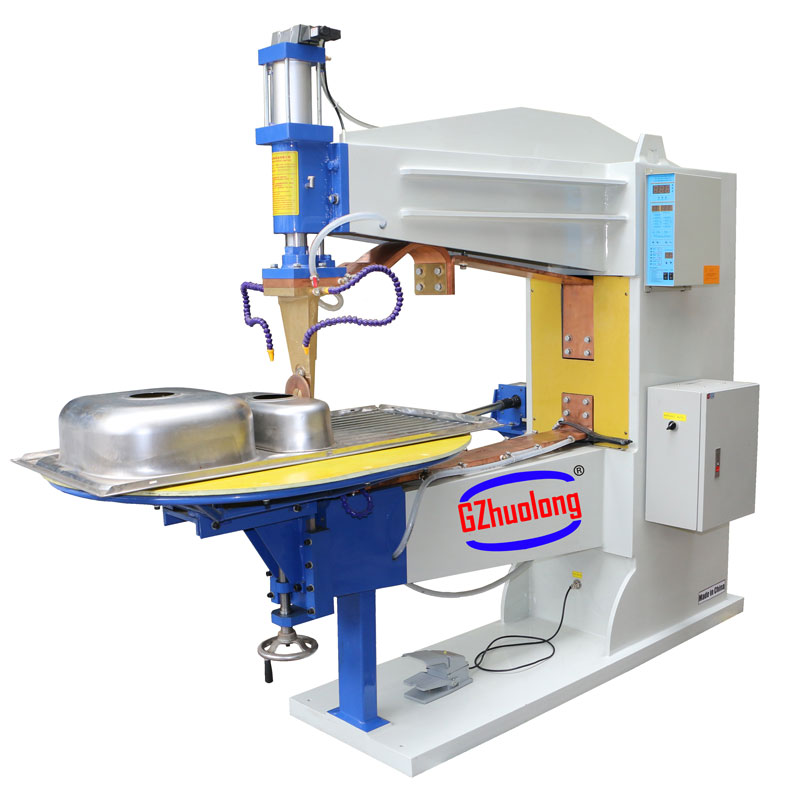
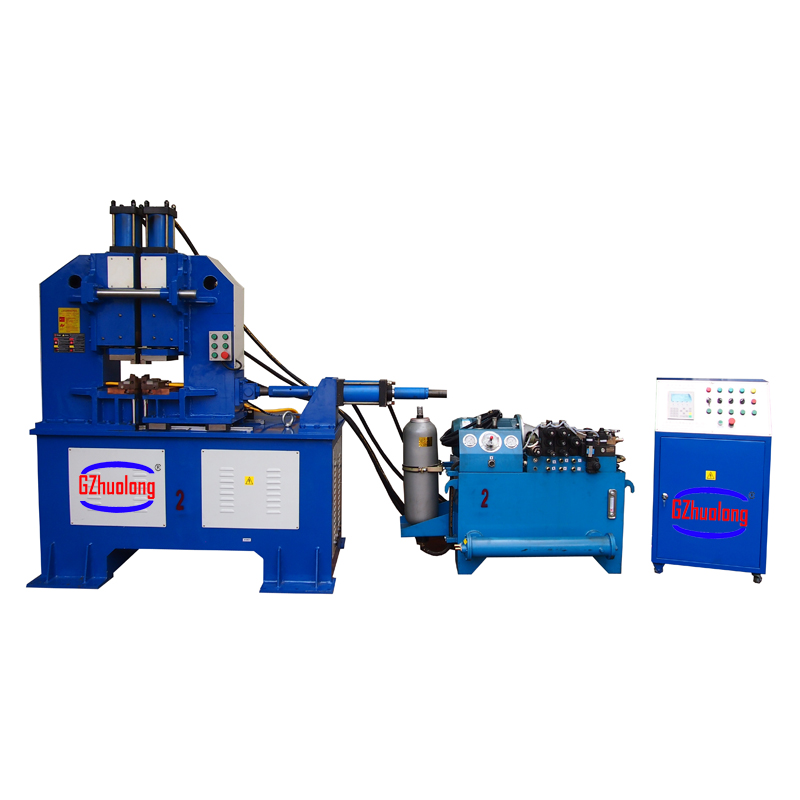
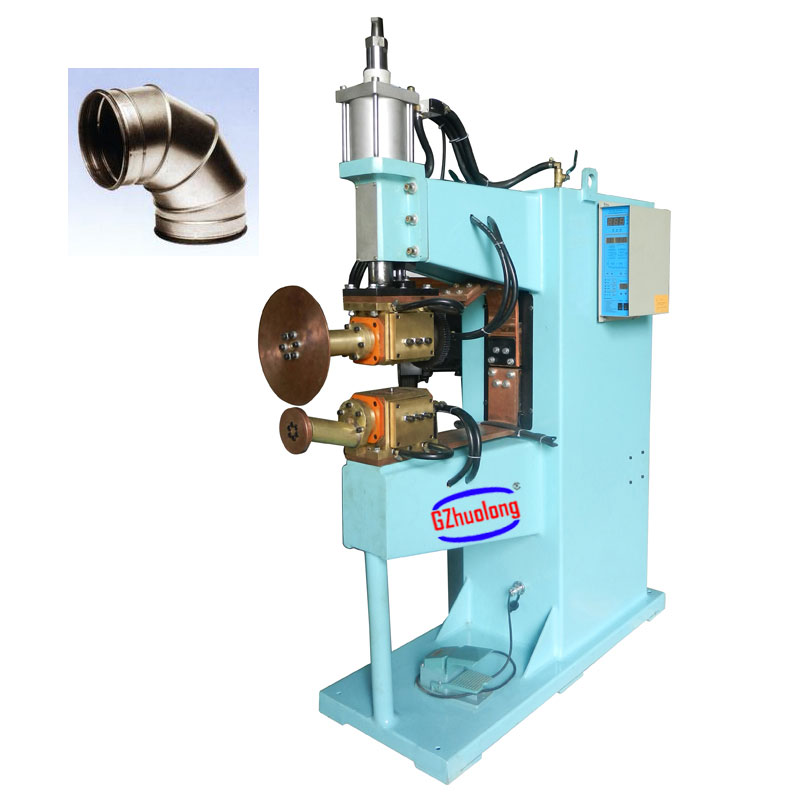
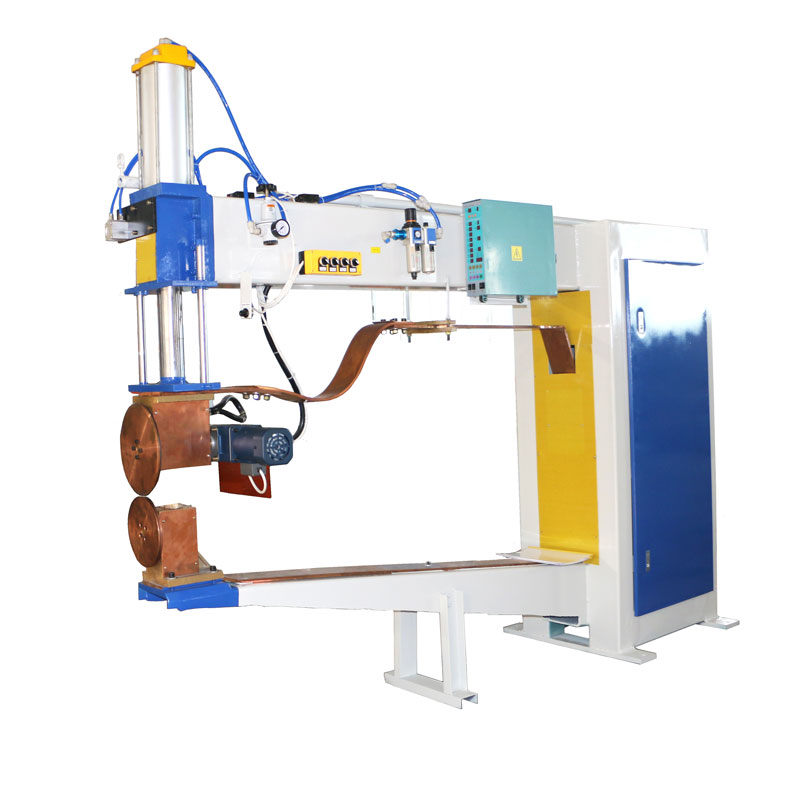
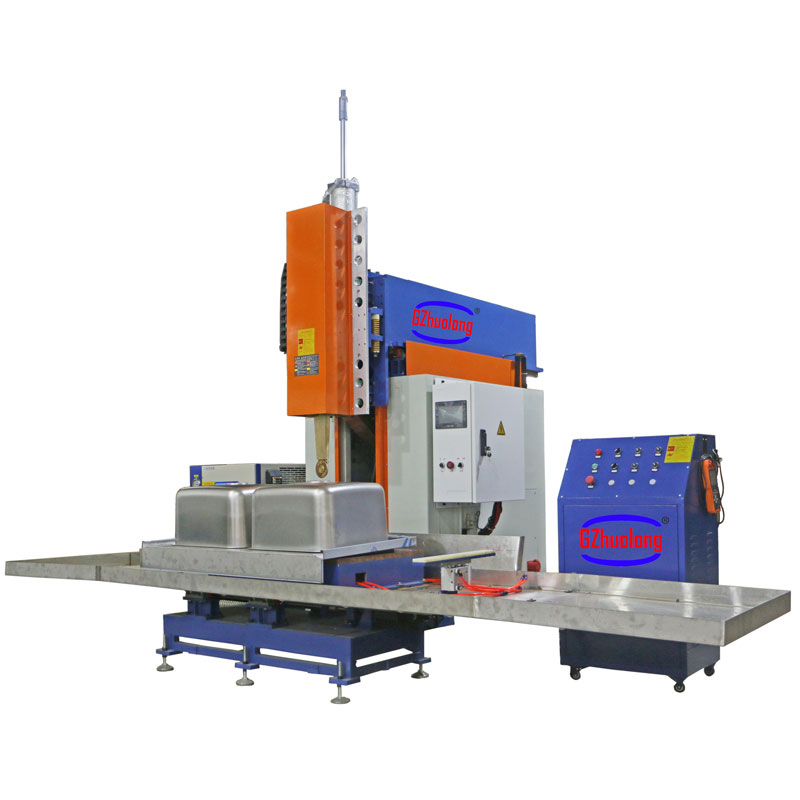
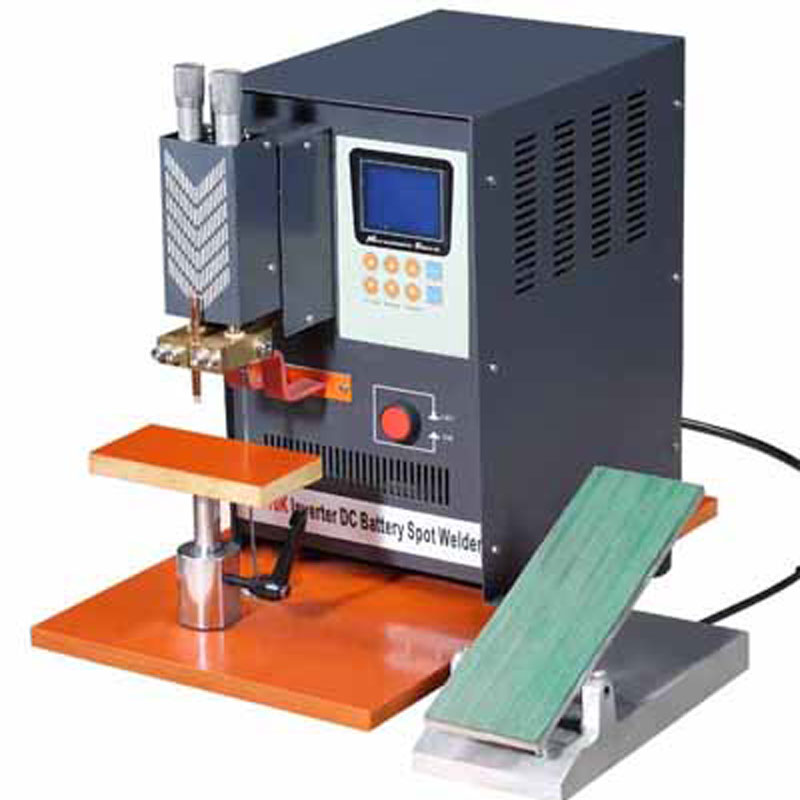
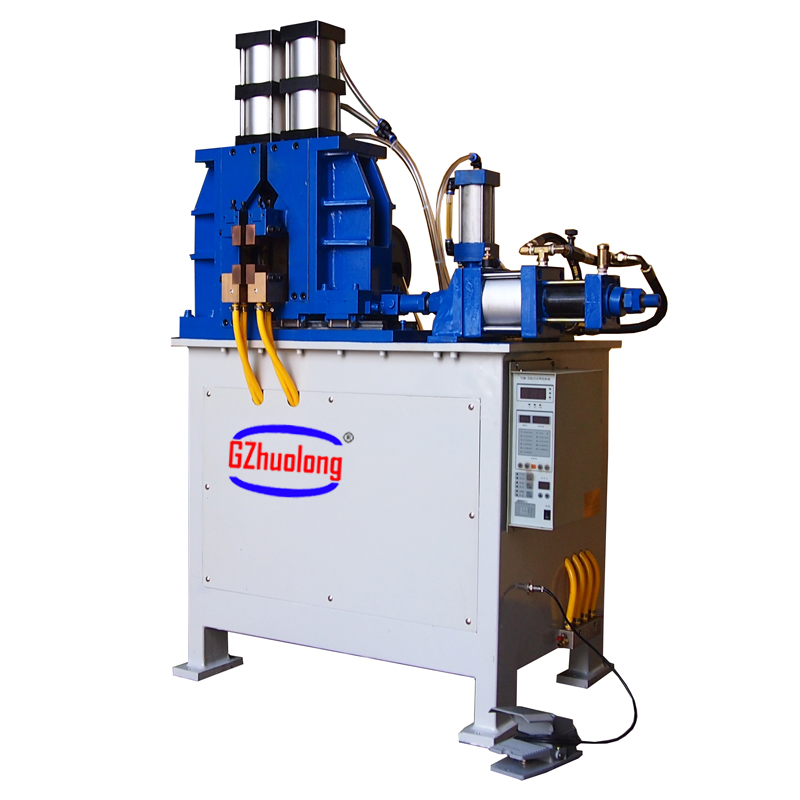
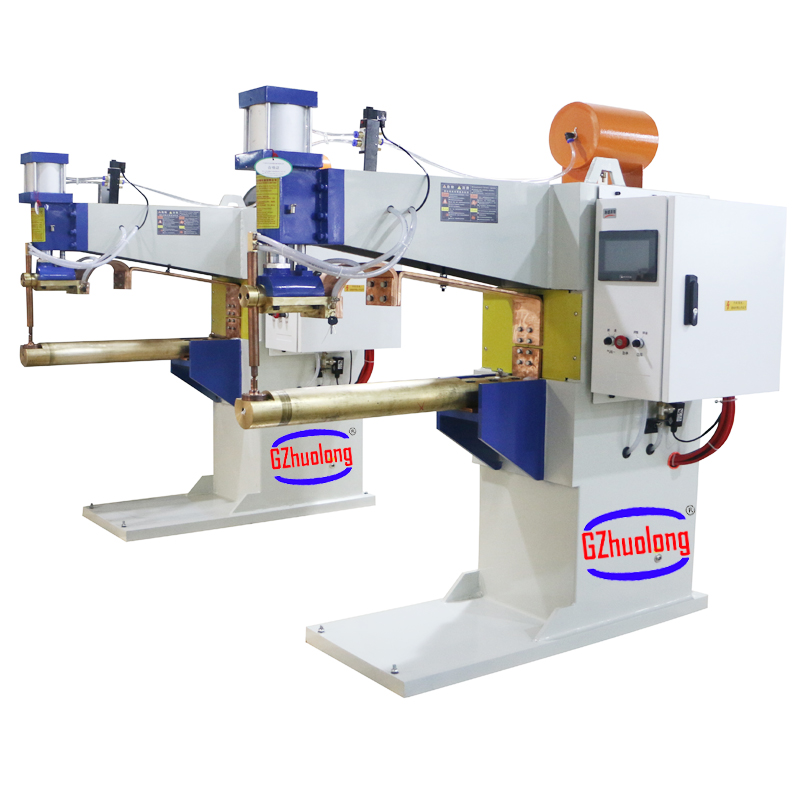
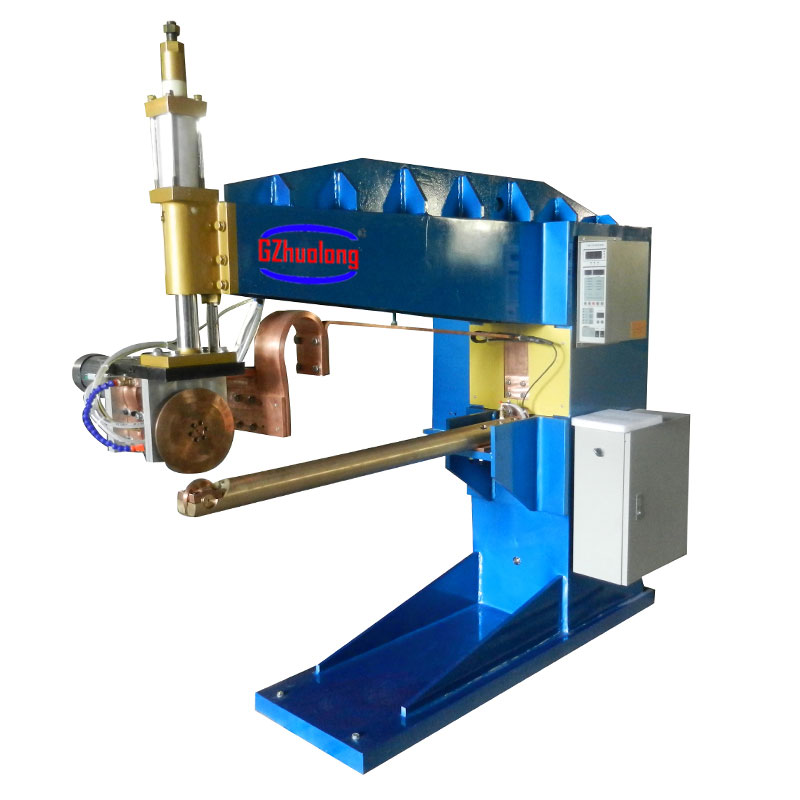
Modern aluminum plate spot welding machines are complex electromechanical devices. They consist of a high-power transformer, a microprocessor control system, electrodes made of a special material (often a tungsten alloy), and a plate feed mechanism. The welding process is started using computer control, which sets the parameters of current, time and pressure of the electrodes. Electrodes, compressed with a certain force, apply electric current to the plates, causing local melting of the metal and the formation of a welded joint. The precision and reliability of the machine ensures high quality welds, which is critical for a variety of designs.
Benefits of using a dedicated machine
The use of a specialized spot welding machine for aluminum plates provides a number of advantages: high welding speed, high-quality and durable connection, minimal scrap, process automation and, as a result, reduced production costs. This makes it an indispensable tool for manufacturers working with aluminum structures, allowing them to create lightweight, strong and durable products.