Resistance Welding Machine: Operation
Resistance welding is an amazing process that allows you to join metals like a magician using electricity and force. Imagine: two metal parts that need to become one, and between them is a machine that does it quickly and reliably. This is a resistance welding machine. But how does it work?
1. Electricity and pressure: the key to success
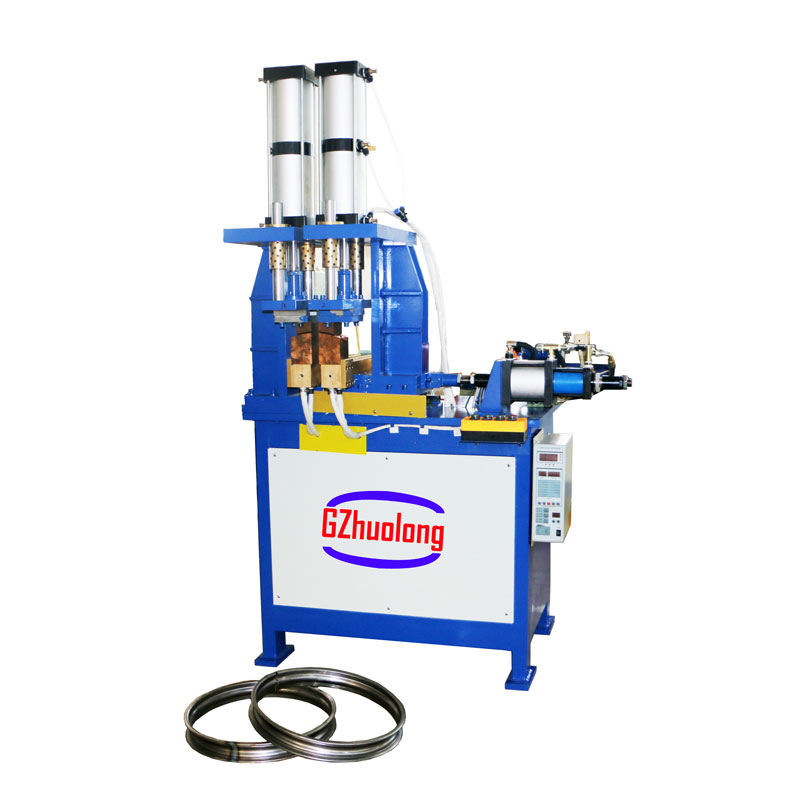
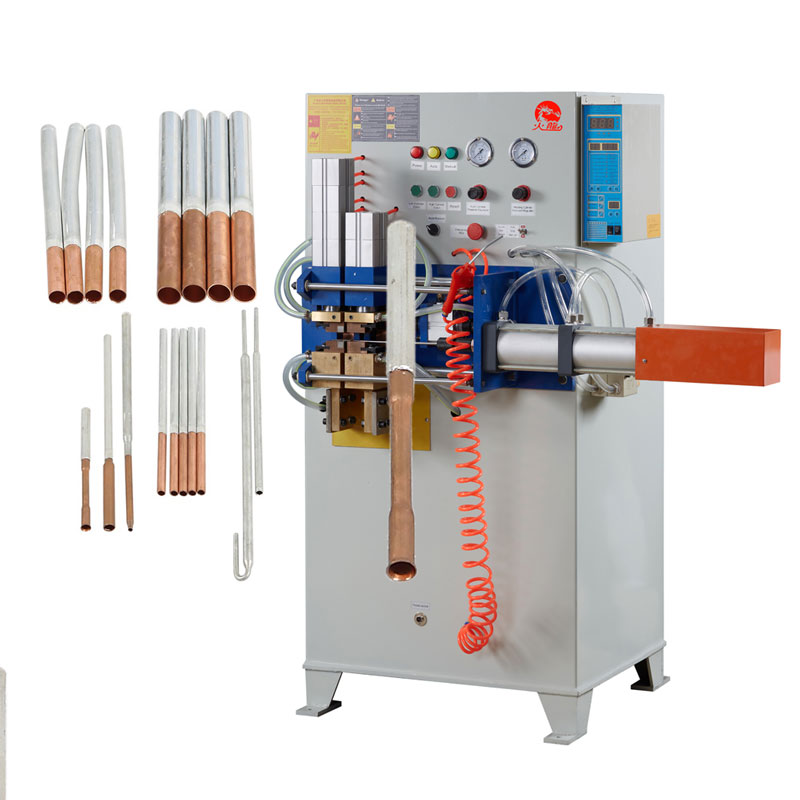
The main secret is the combination of electric current and mechanical pressure. The machine compresses the two parts with enormous force, pressing them together. A powerful electric current is then passed through the junction. This causes instantaneous heating of the contact zone to the melting temperature of the metal. Imagine how electricity seems to “weld”? metals from the inside, creating a strong connection. It is important to note that the process itself occurs very quickly, in a fraction of a second, which minimizes the thermal impact on surrounding areas.
2. Various types of resistance welding: from point to seam
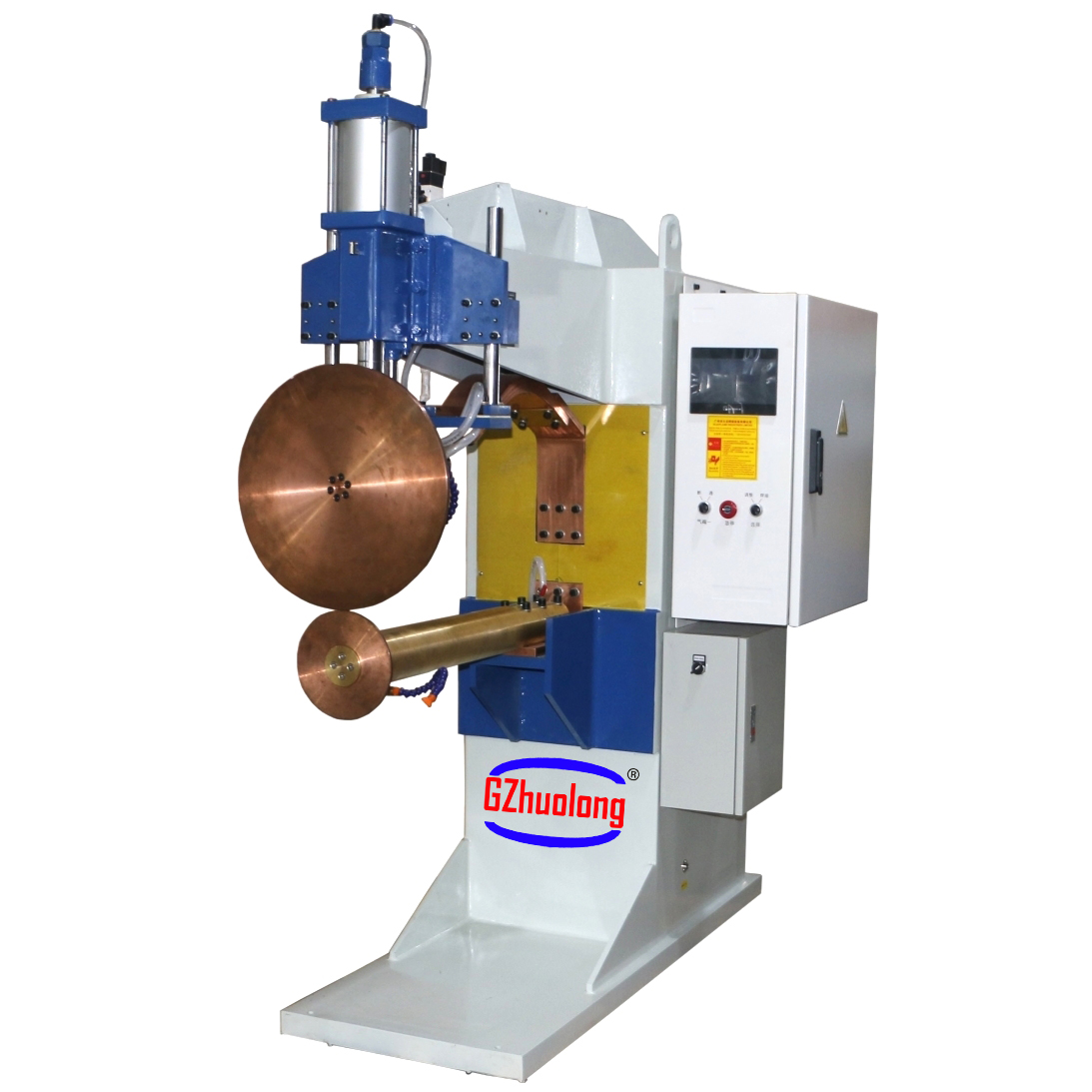
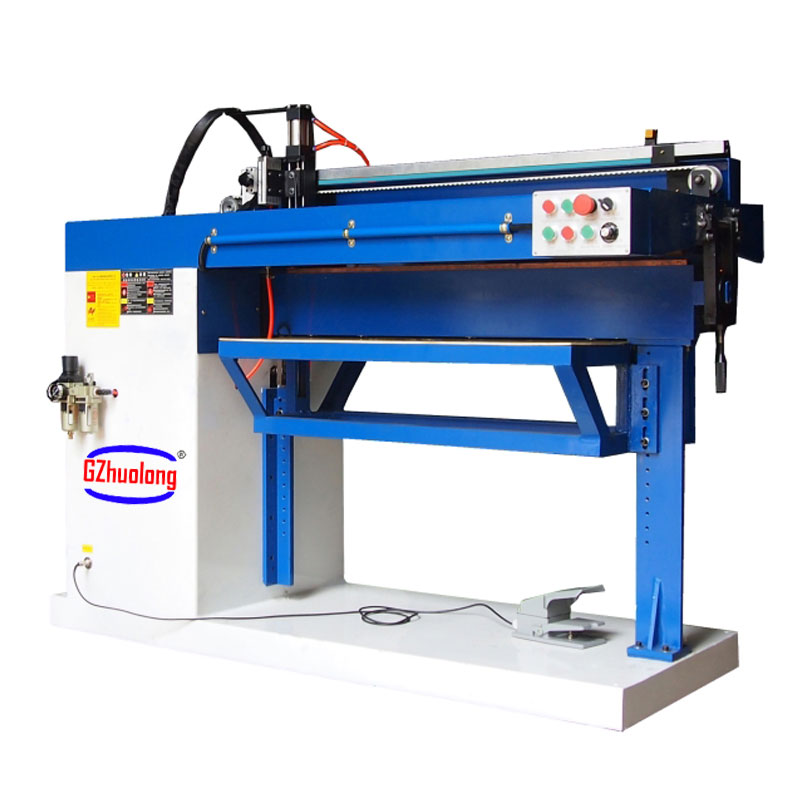
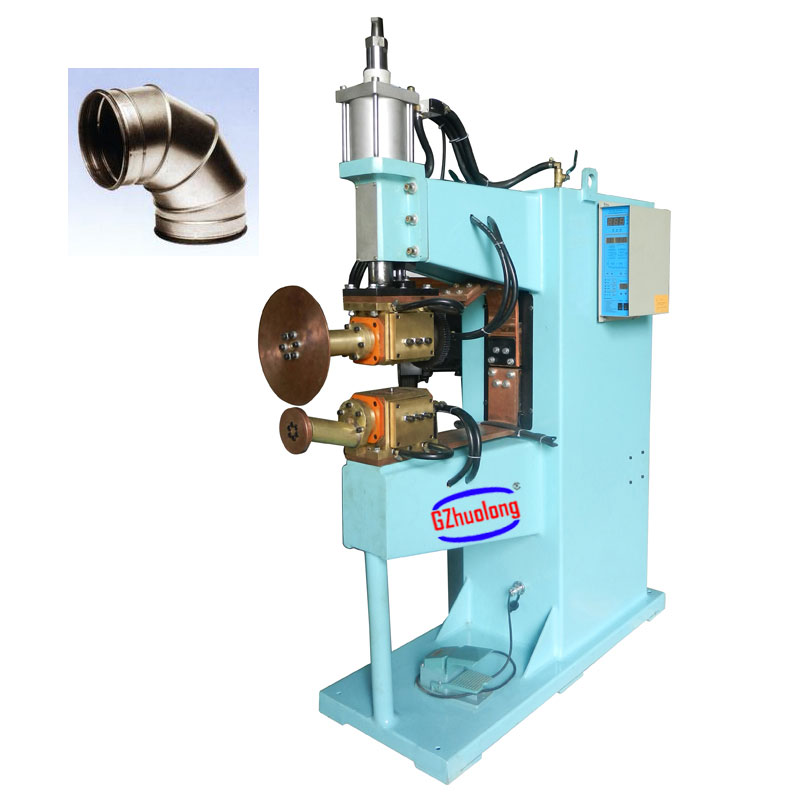
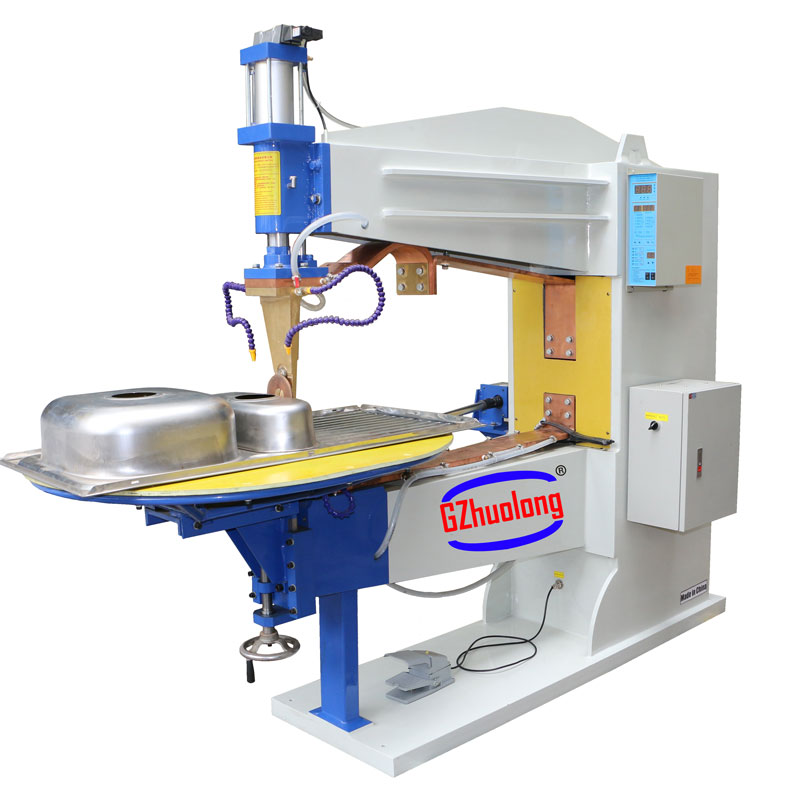
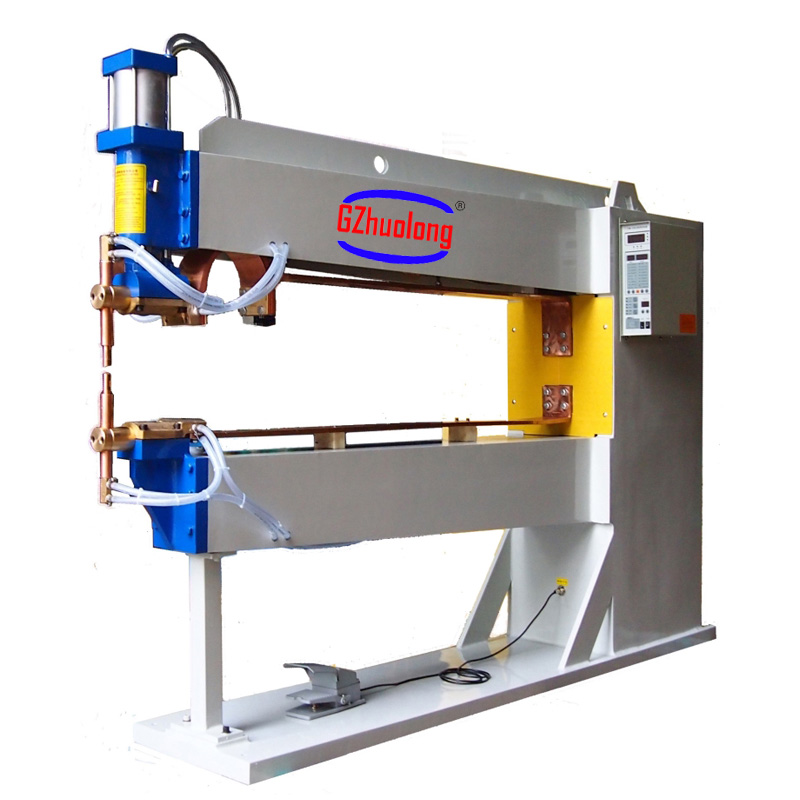
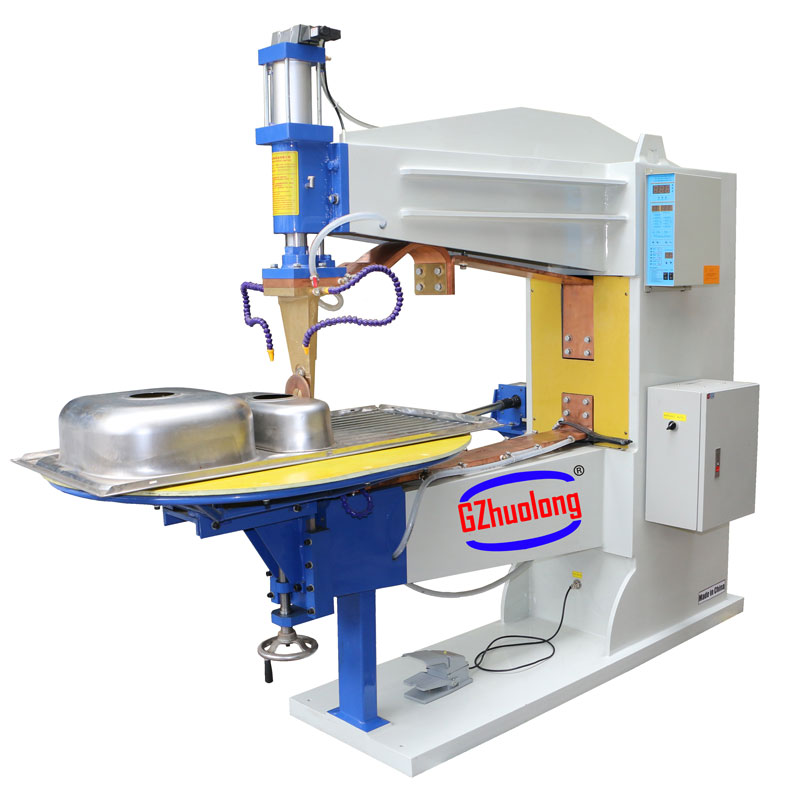
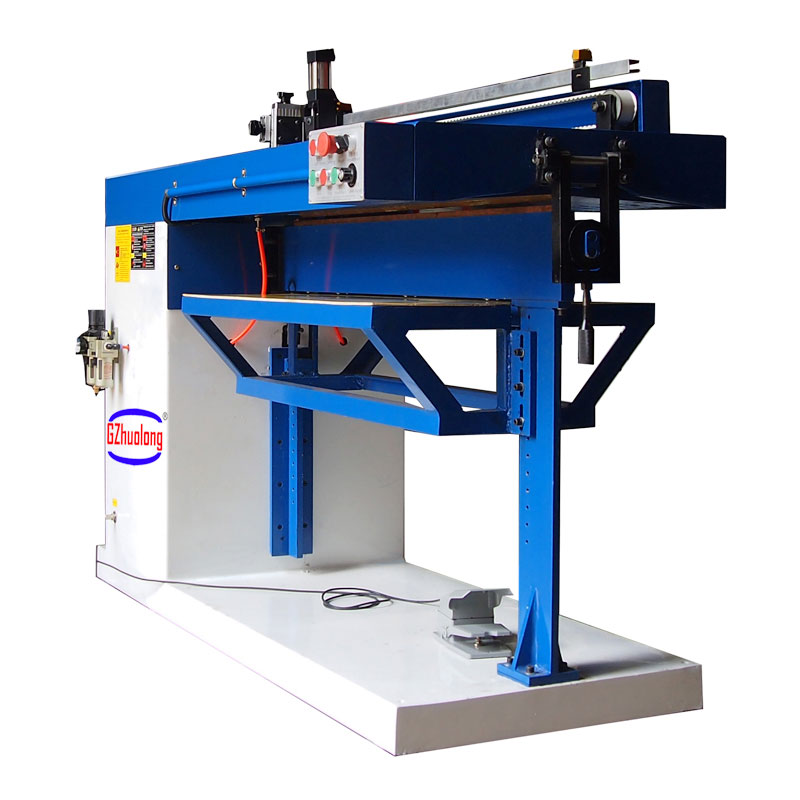
There are several types of resistance welding, each suitable for specific applications. The most common is spot welding, when the connection is formed in the form of individual points. This is an excellent way to fasten thin metal sheets, for example in the production of car bodies. But seam welding is used to create strong, continuous welds. It is used in the manufacture of pipes, profiles and other parts with long welded joints. The choice of welding type depends on the thickness of the metal, its type and requirements for joint strength.
3. Advantages and applications
Resistance welding is a fast, efficient and economical way to join metals. It allows you to create strong, airtight connections without the use of additional materials such as solder or wire. Resistance welding is widely used in the automotive industry, the production of household appliances, electronics and many other industries. With its help, thousands of parts are created every day, quietly making our lives easier. A resistance welding machine is not just a complex mechanism, but a faithful assistant that ensures high quality and productivity in production.