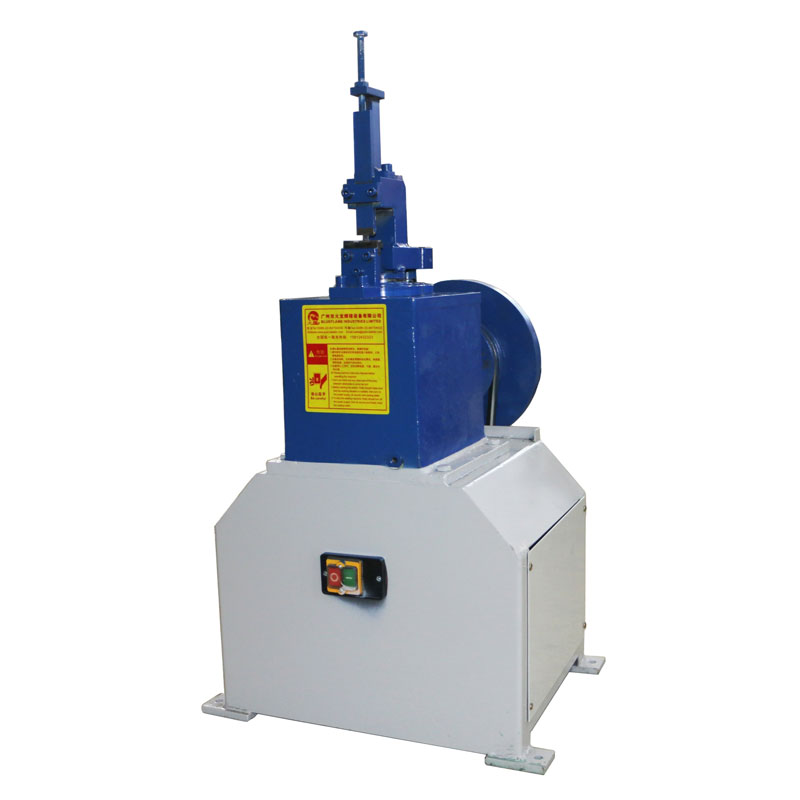
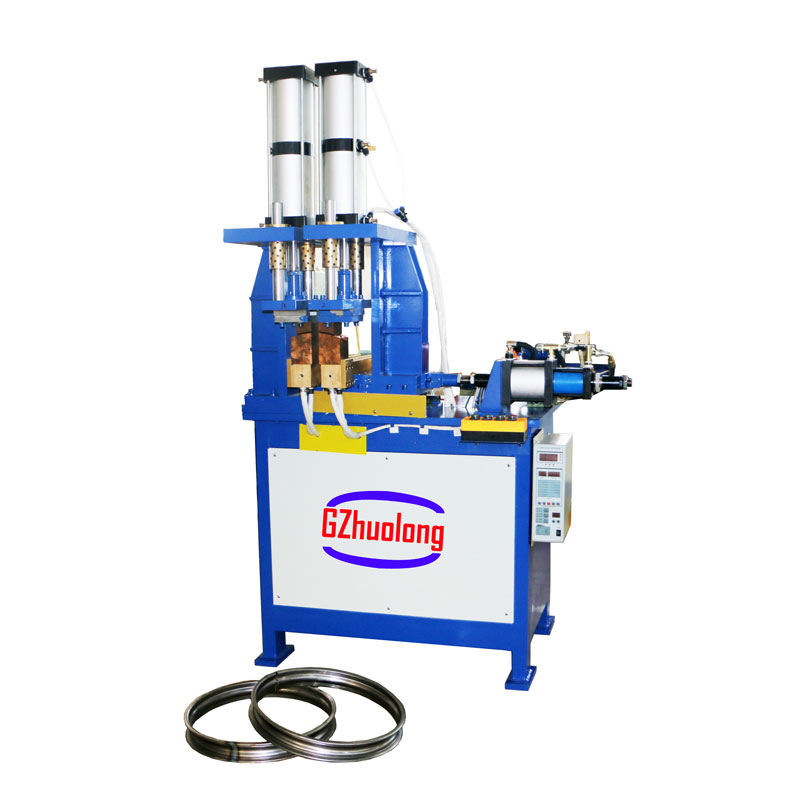
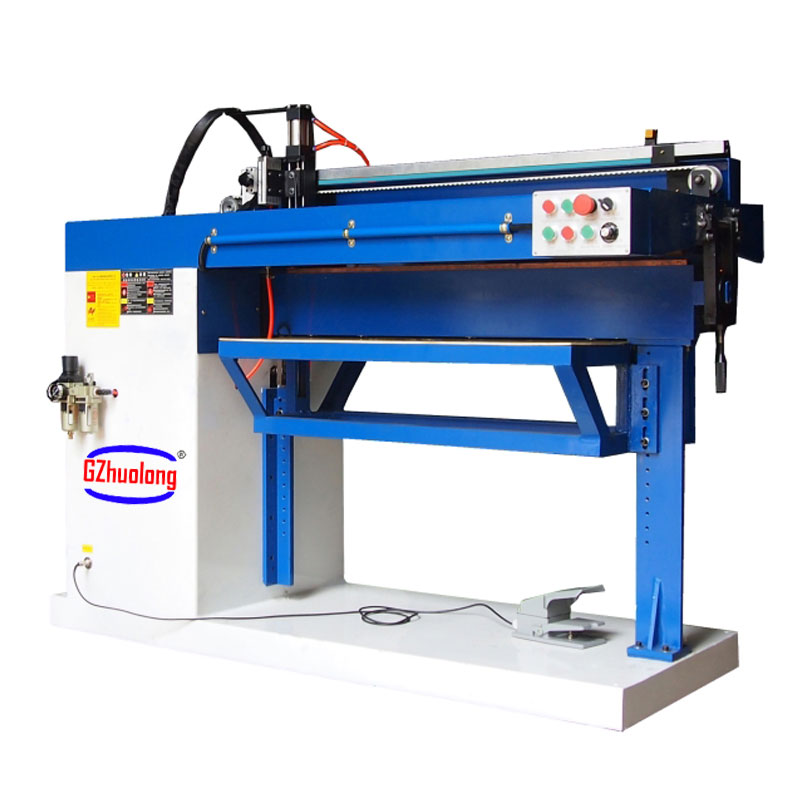
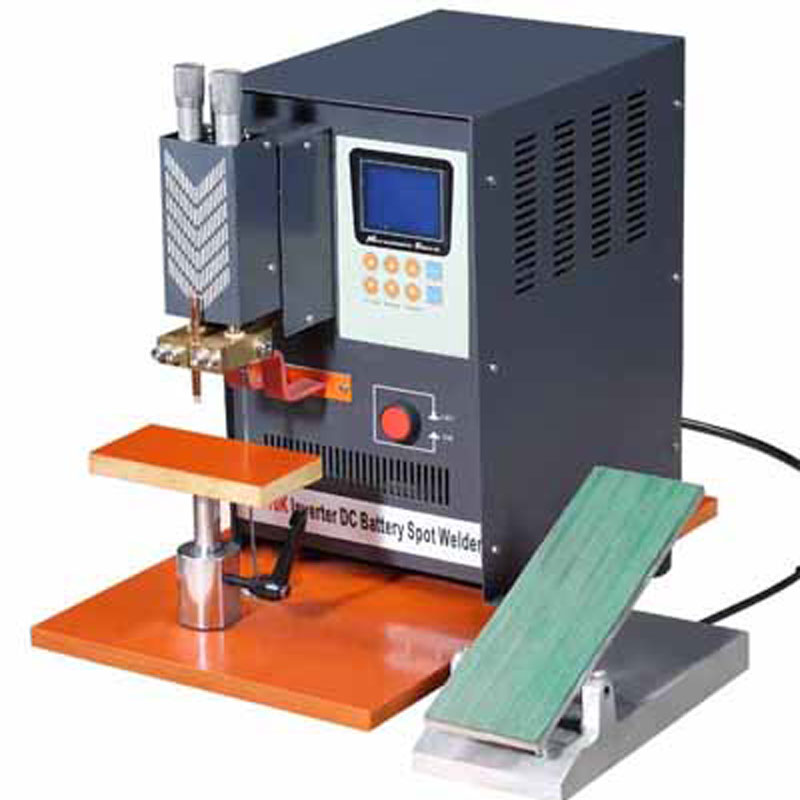
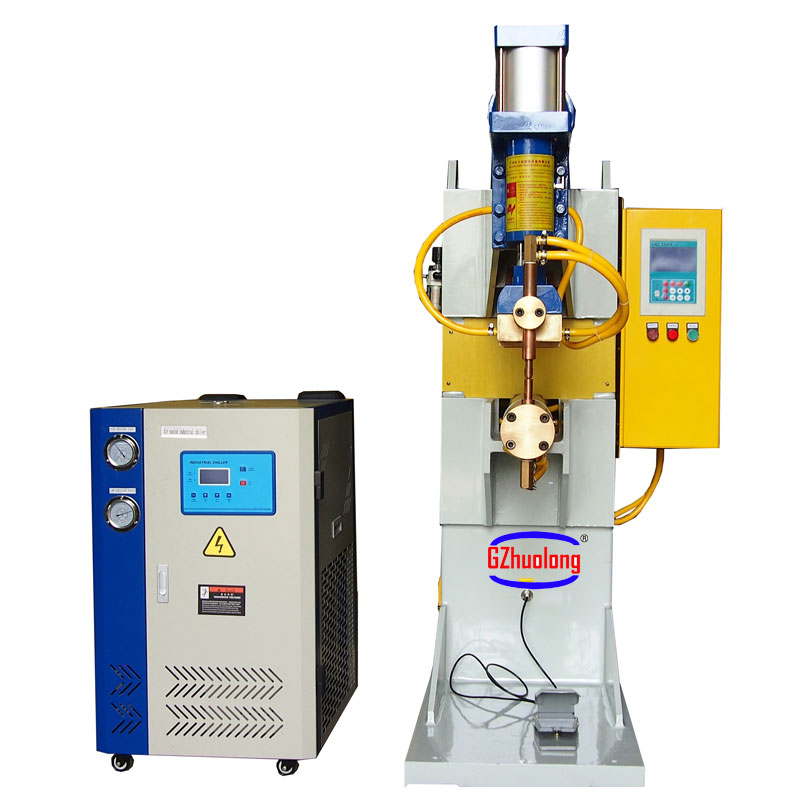
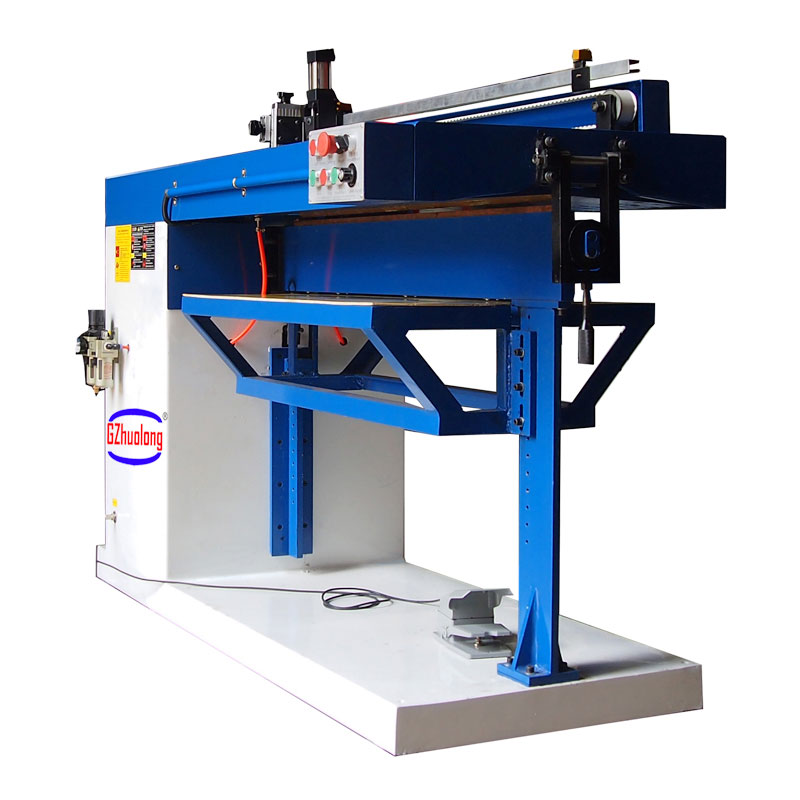
Induction Heating Machine
Induction heating is a technology that sounds complicated, but is actually quite simple and incredibly effective. Imagine a magic wand that heats metal without direct contact with fire or heating elements. This is exactly how an induction heating machine works. It uses the energy of an electromagnetic field to heat conductive materials such as steel, copper or aluminum. Forget about bulky ovens and long waits - induction heating is fast, precise and allows you to reach high temperatures in seconds.
How does this work?
The operation is based on the principle of electromagnetic induction. Inside the machine there is an inductor - a coil of copper wire through which a high-frequency electric current is passed. This current creates an alternating magnetic field that penetrates the heated metal. Inside the metal, this field induces eddy currents (Foucault currents), which in turn heat the metal due to Joule heat. Imagine tiny electrical storms inside metal that generate heat. The stronger the current in the inductor, the stronger the magnetic field and the faster the metal heats up.
Advantages of induction heating
Compared to traditional heating methods, induction heating has a number of advantages. Firstly, it's incredible speed. Heating occurs almost instantly, which significantly reduces production cycle times. Secondly, high efficiency. Almost all the energy consumed by the machine is converted into heat, with minimal losses due to heating the surrounding air. Third, temperature control accuracy. Modern machines allow you to accurately set and maintain the required temperature, which is especially important for the heat treatment of metals. And finally, safety. The absence of open flames makes induction heating safer and more environmentally friendly.
Conclusion
An induction heating machine is a modern and highly efficient device that is widely used in various industries, from metallurgy and mechanical engineering to jewelry. Due to its speed, efficiency and accuracy, it is becoming increasingly popular, changing the understanding of metal heating and processing processes.