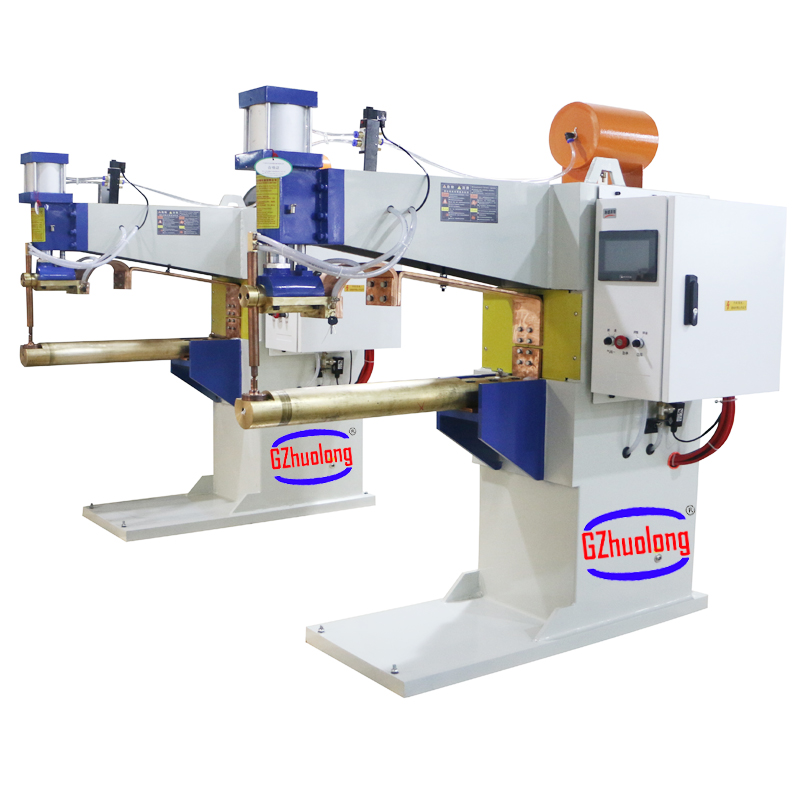
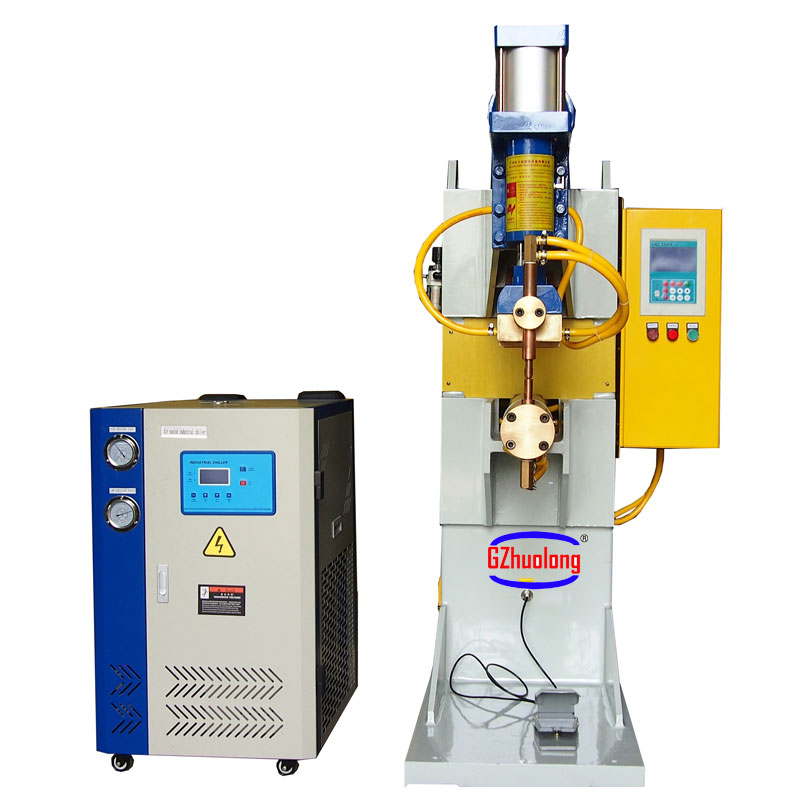
Military equipment for resistance butt welding
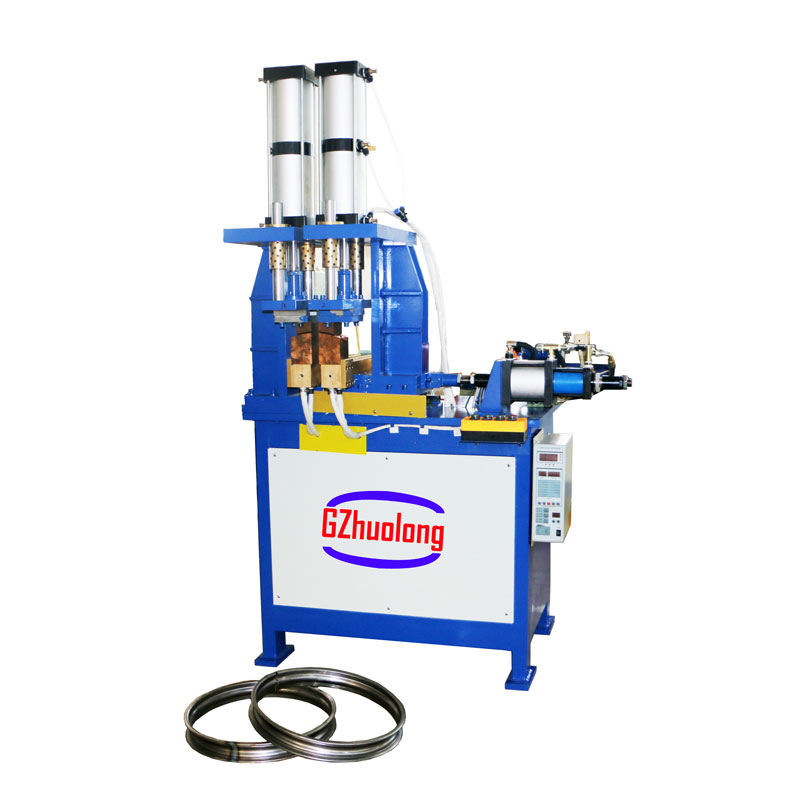
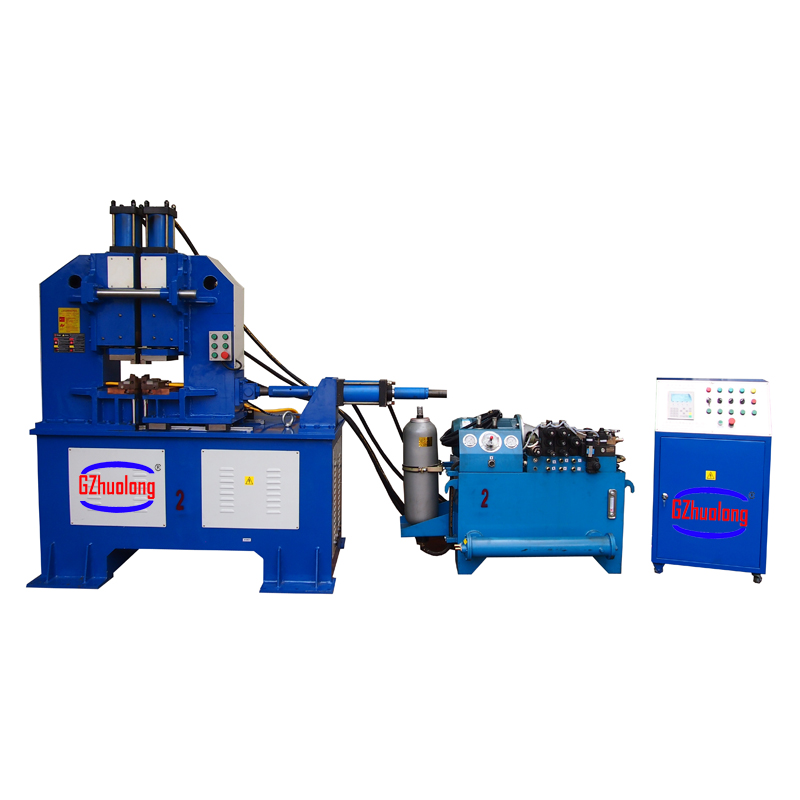
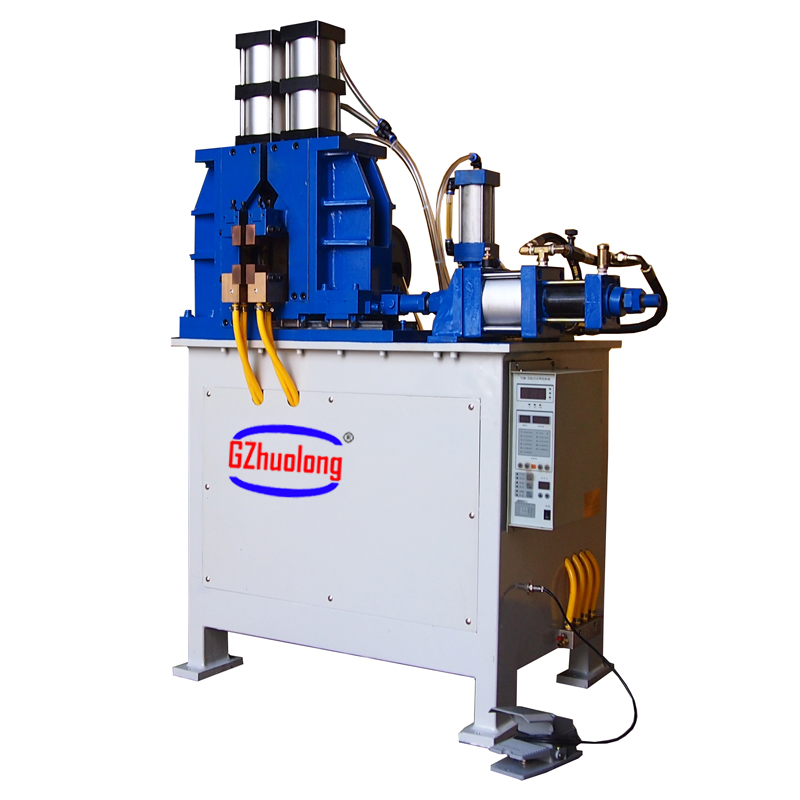
Contact butt welding is a technology that allows you to connect metal parts by heating them at the point of contact under pressure. It sounds simple, but behind this simplicity lies a powerful technology that is actively used in the military industry. The strength and reliability of welded joints are critical for equipment intended for extreme conditions, and that is why the selection of equipment and materials for resistance butt welding in the army is a responsible and strictly controlled matter.
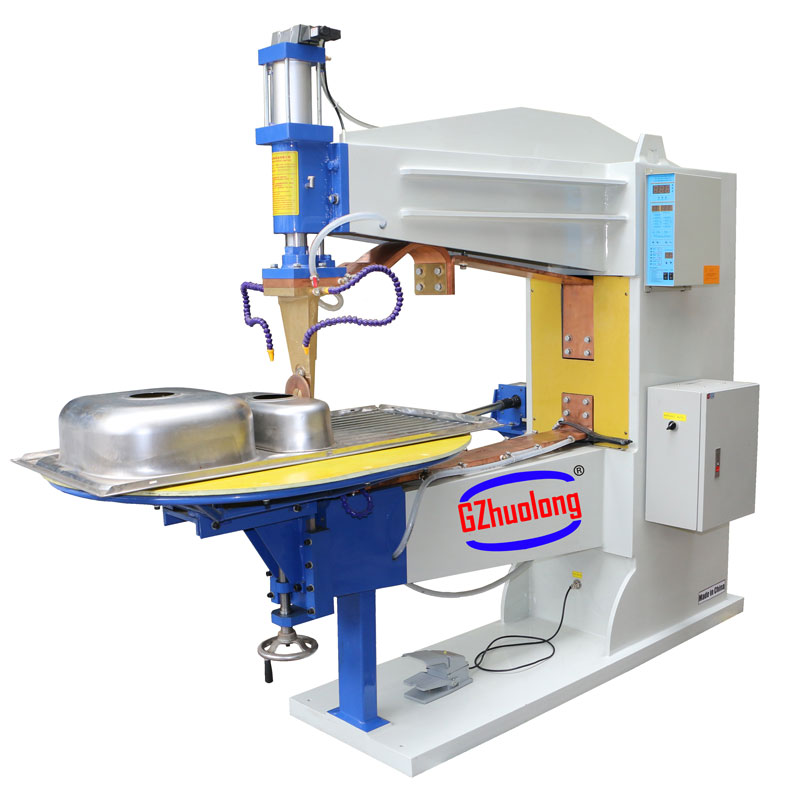
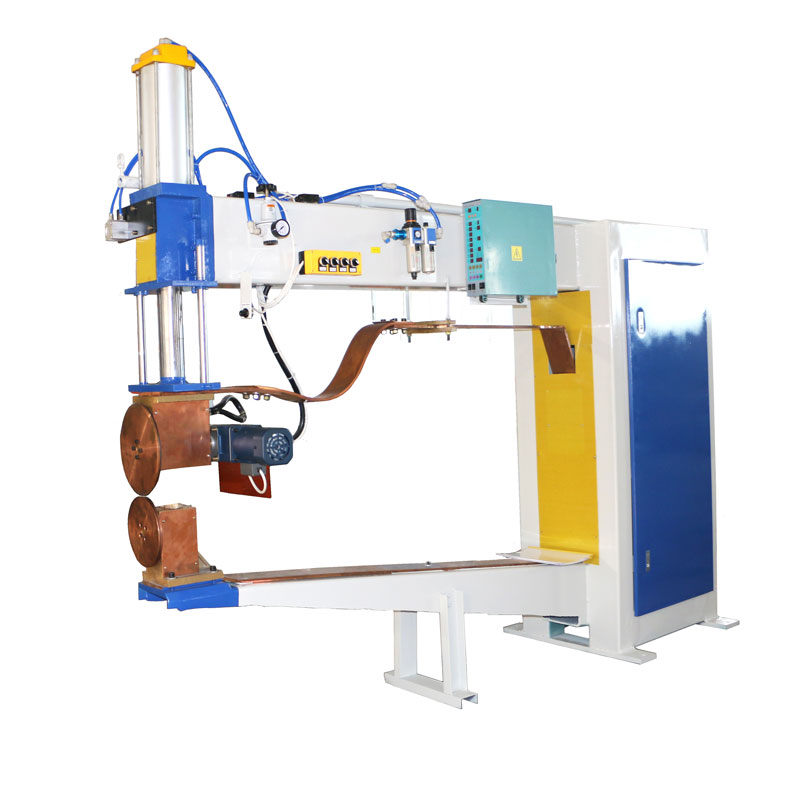
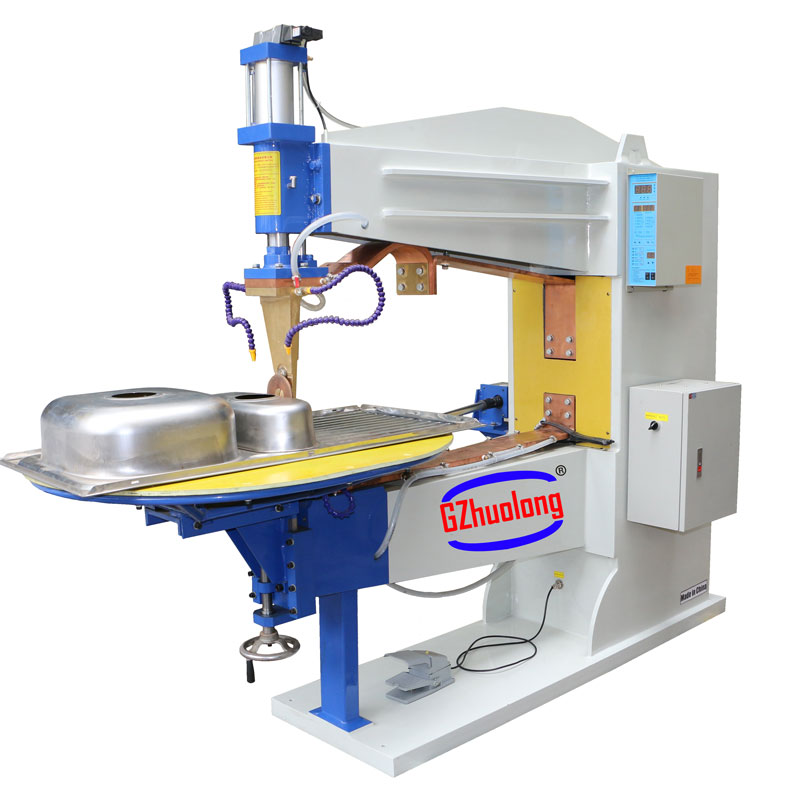
Field Welding Equipment
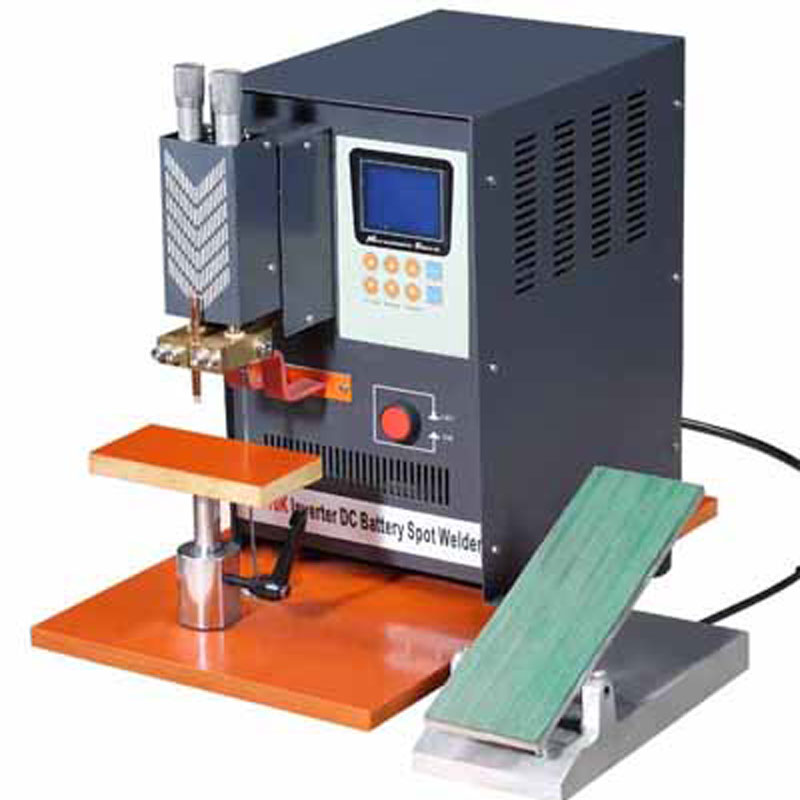
In the military environment, access to specialized equipment is limited. Therefore, welding machines for military equipment must be compact, mobile and durable. Portable or even self-contained devices are often used, powered by generators or batteries, capable of withstanding significant overloads and operating in difficult weather conditions. The reliability of the devices is checked by repeated tests, because life and combat effectiveness can depend on the quality of welding. Repair of such devices should be as simple as possible and possible using a minimum set of spare parts.
Special requirements for electrodes and filler materials
The quality of the weld largely depends on the electrodes and filler materials used. In the military industry, special electrodes are used that are resistant to high temperatures and loads, and also have high conductivity. The choice of materials is dictated by the type of metal being welded and the operating conditions of the future product. It is important that the weld be not only strong, but also resistant to corrosion, as well as the effects of various aggressive environments that military equipment may encounter. Strict quality control of electrodes and filler materials is a prerequisite for ensuring reliable connections.
Ensuring the safety of welders
Working with welding equipment involves certain risks. In the army, the safety of welders is ensured by the use of special personal protective equipment: protective masks, suits, gloves and shoes. In addition, special attention is paid to compliance with safety regulations, training and regular technical inspection of equipment. All this is necessary to prevent accidents and ensure the health of military specialists involved in welding military equipment.