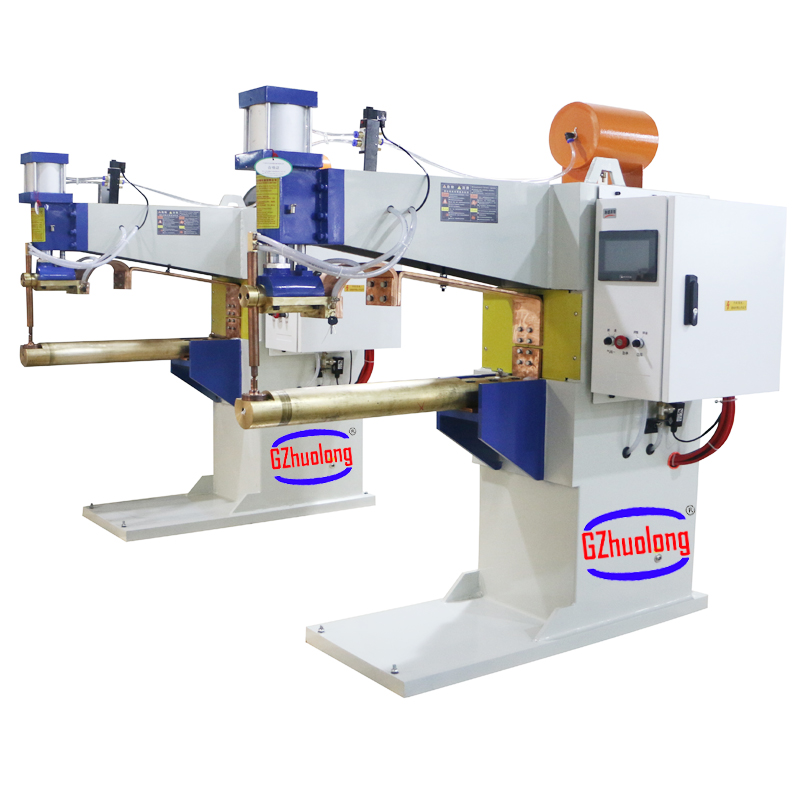
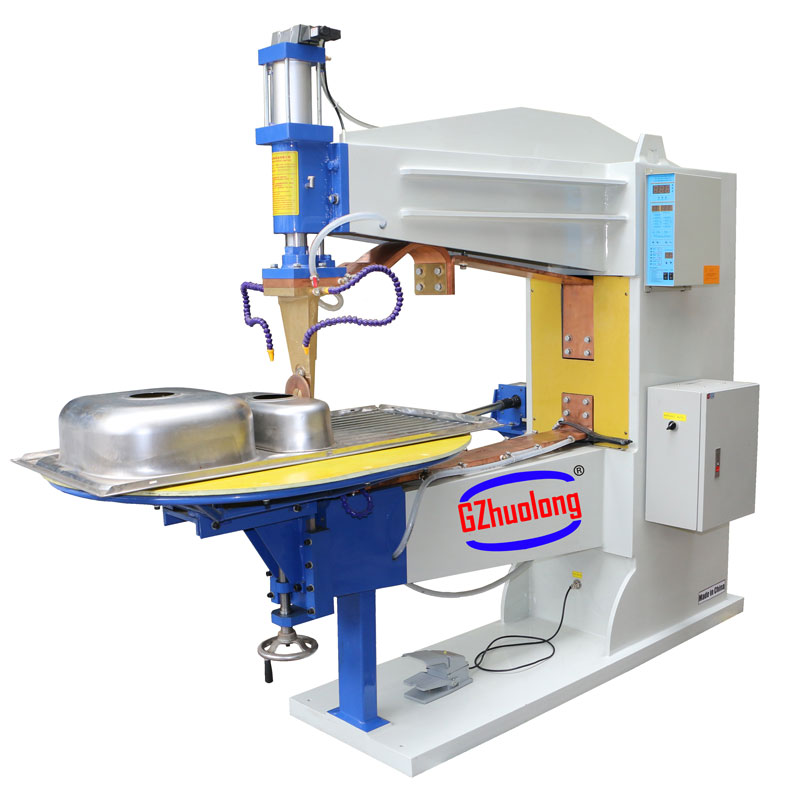
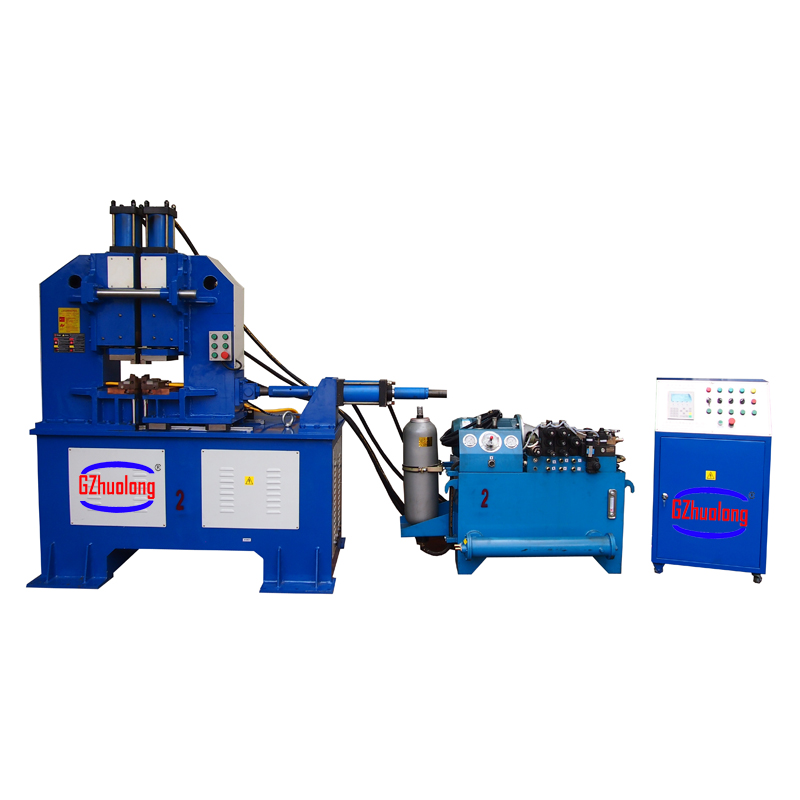
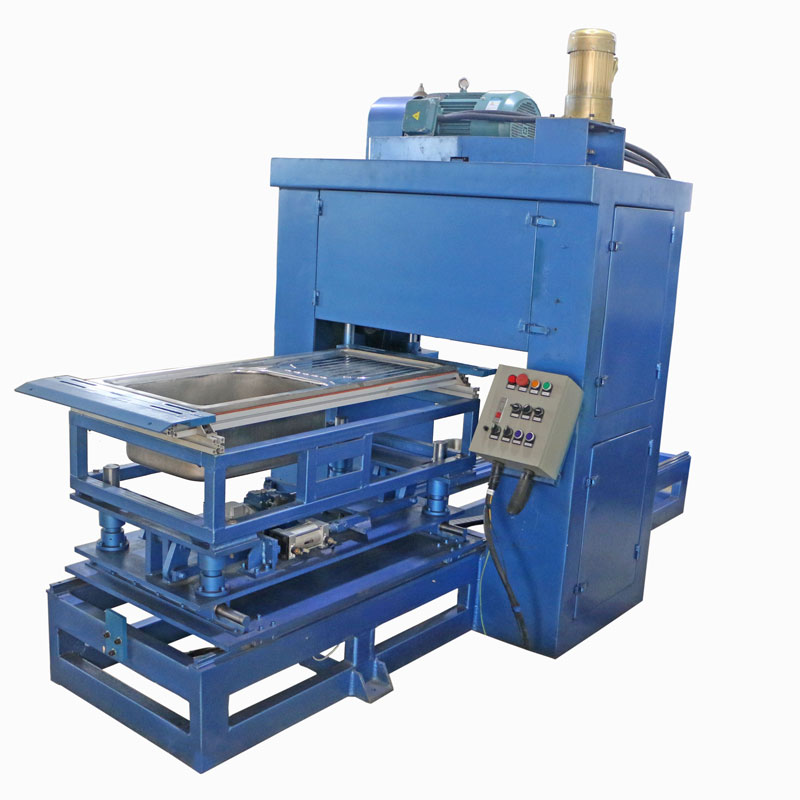
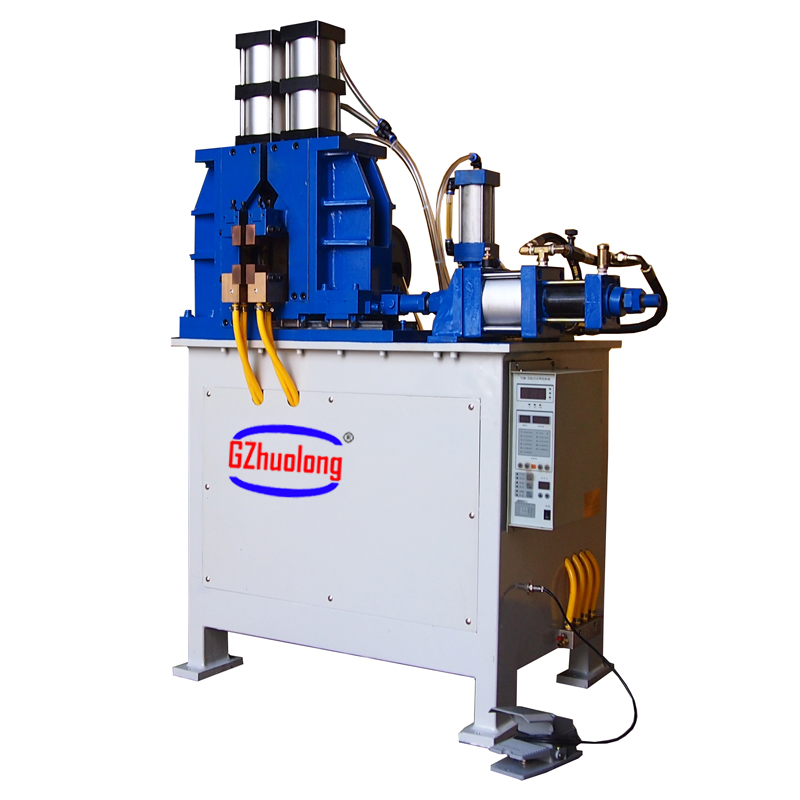
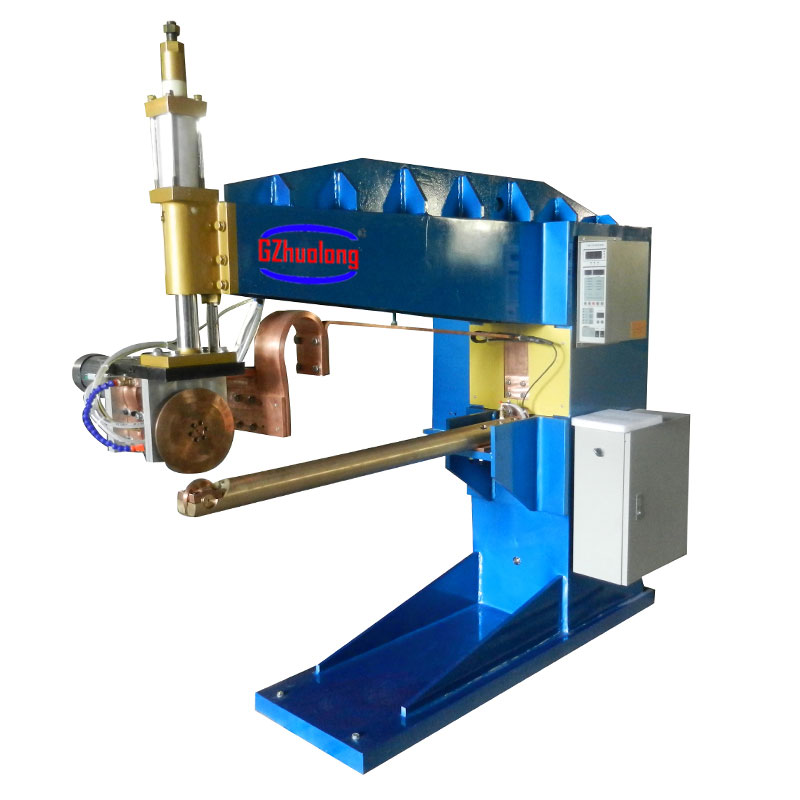
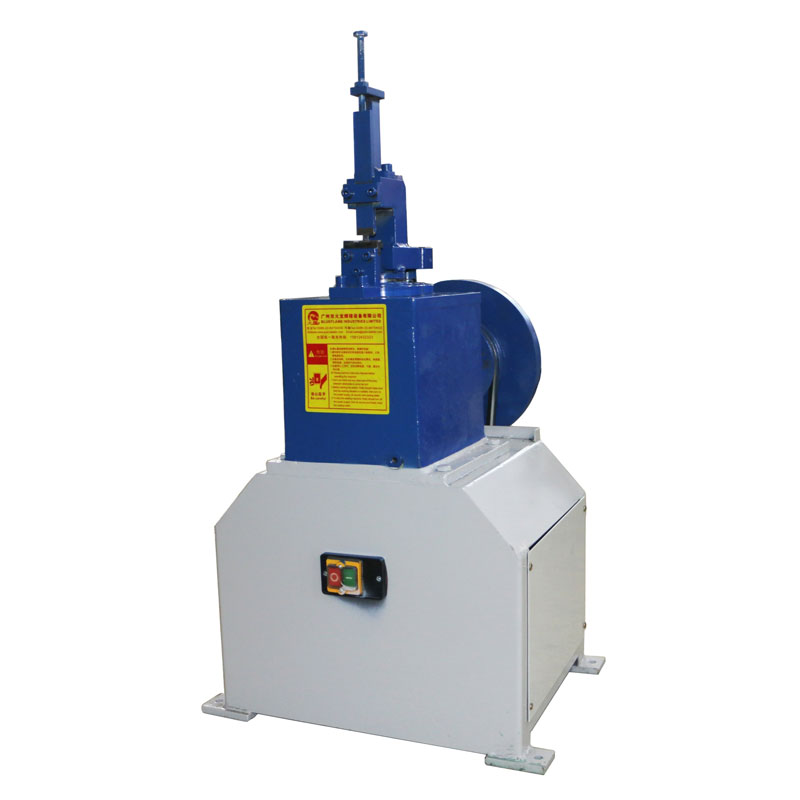
Longitudinal seam welding machine
Longitudinal welding is a technological process of joining materials, in particular plastic films or fabrics, along their length. Imagine a long strip of polyethylene from which you need to make a bag. For this purpose, a longitudinal seam welding machine is used. This indispensable assistant in the production of packaging, geotextiles, advertising banners and many other products significantly speeds up and simplifies the process, ensuring high quality seams.
Operating principle: simple and effective
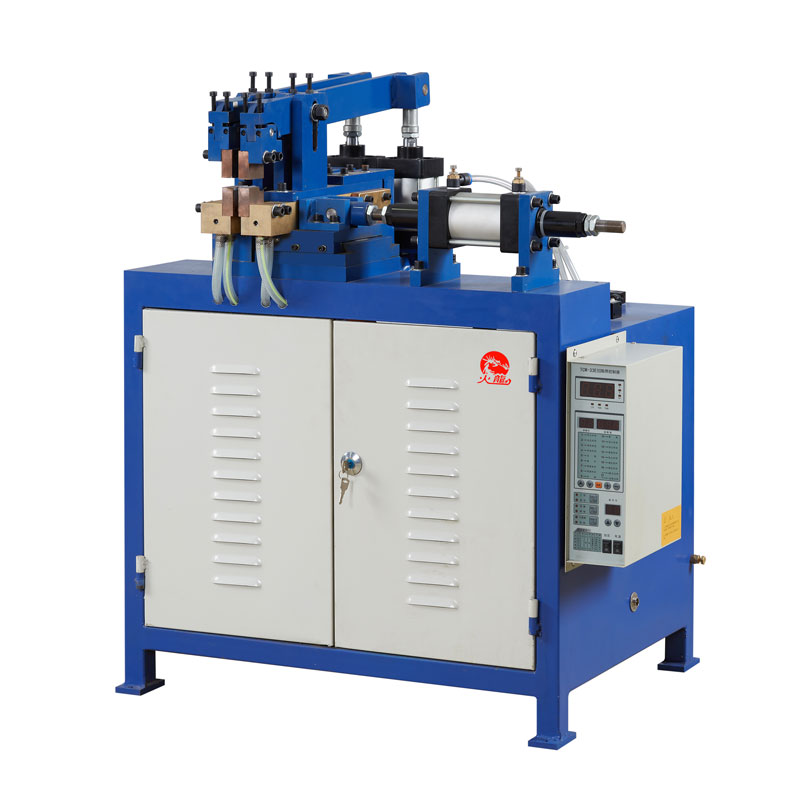
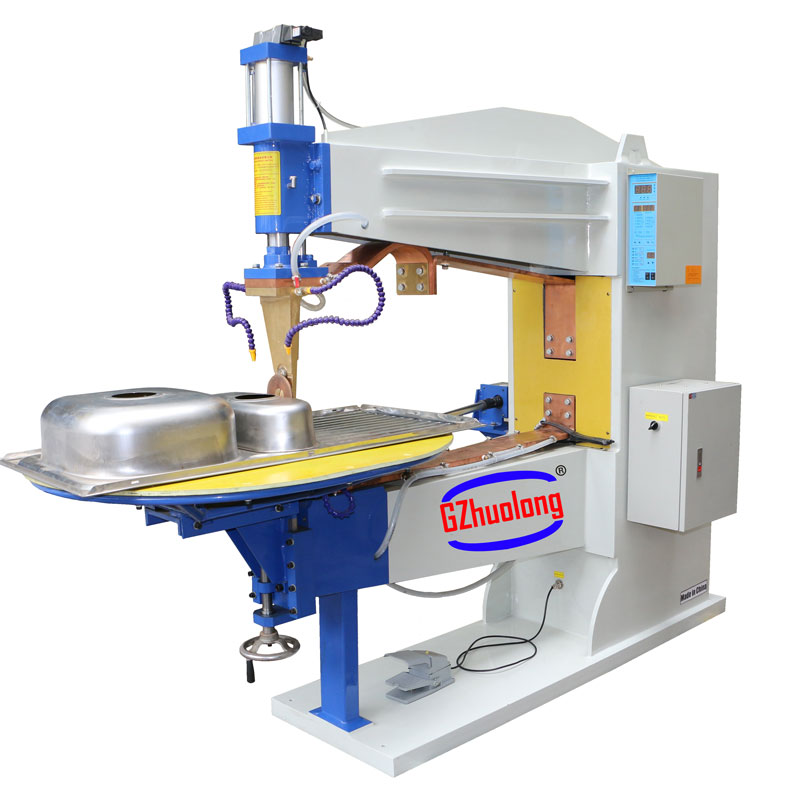
How does it work? It is based on heating and fusing the edges of the materials being joined. The machine is equipped with special heating elements that gently heat the edges of the film to the melting point. Then, under the influence of pressure, the molten edges are connected, forming a strong and sealed seam. The welding speed is adjustable, which allows you to adapt the process to different materials and thicknesses. It is important to note that modern machines are often equipped with temperature and pressure control systems, ensuring consistent and predictable results. This eliminates defects and allows you to obtain high-quality seams.
Variety of models and their features
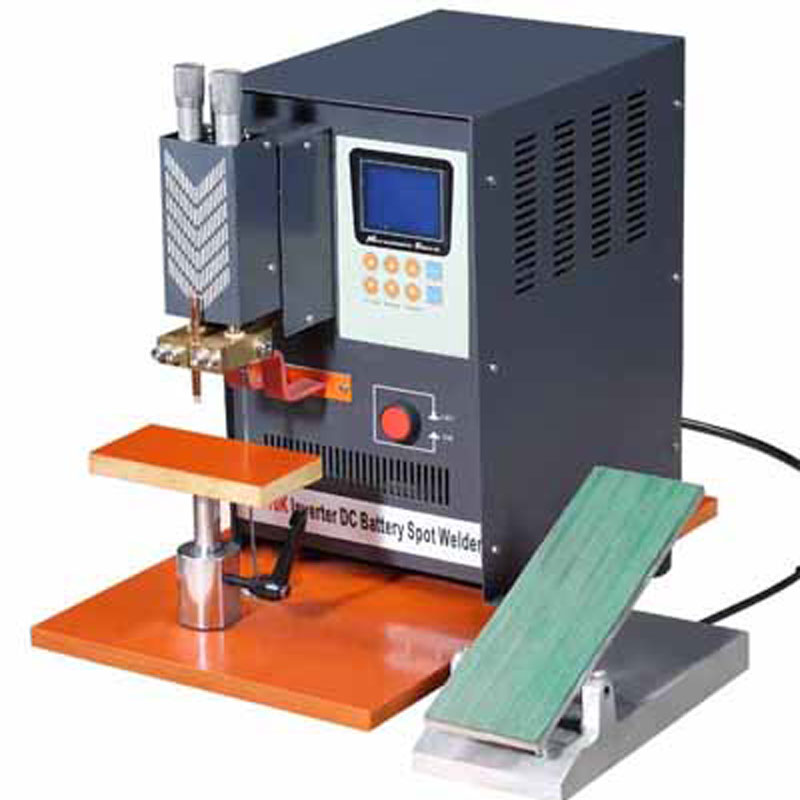
The market offers a wide selection of machines for longitudinal seam welding, from compact manual devices to large automated complexes. The choice of a specific model depends on the needs of production: volume of products, type of material, required welding speed and budget. Simple models are ideal for small workshops or home use, while automated lines are required for mass production. Some machines allow you to weld using ultrasound or high-frequency currents, which makes the process even more efficient and allows you to work with materials that are sensitive to high temperatures.
Benefits of using automated systems
Switching to automated welding systems is a step towards increasing productivity and quality. Automation can reduce labor costs, increase production speed and ensure stability of welding parameters. This is especially true for large productions, where saving time and resources plays a decisive role. Moreover, automated machines are often equipped with quality control systems that allow defects to be identified and prevented during production. As a result, the final product is of higher quality and reliability, which has a positive effect on the manufacturer’s reputation.