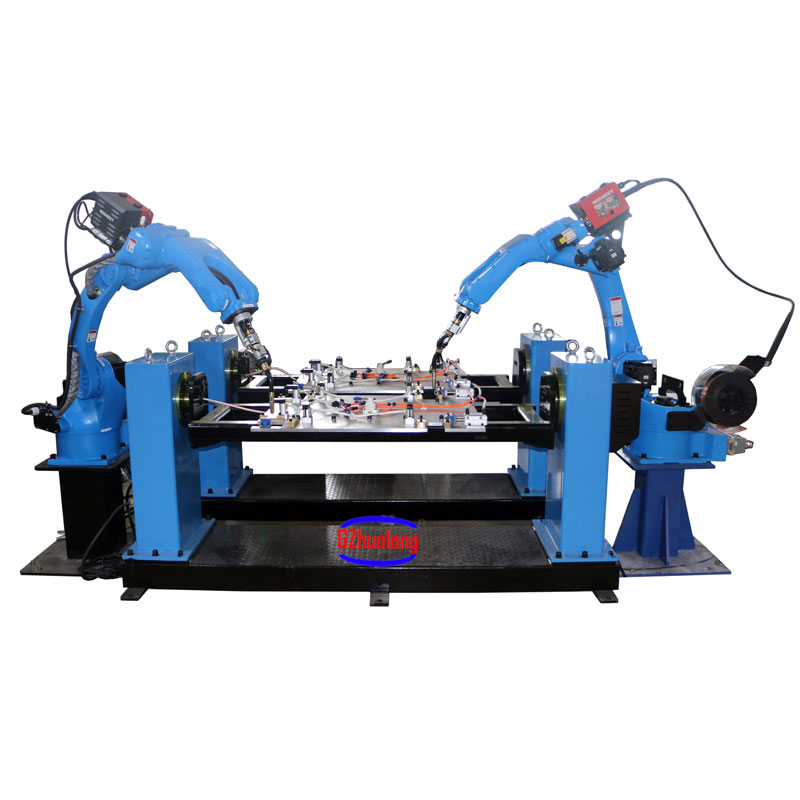
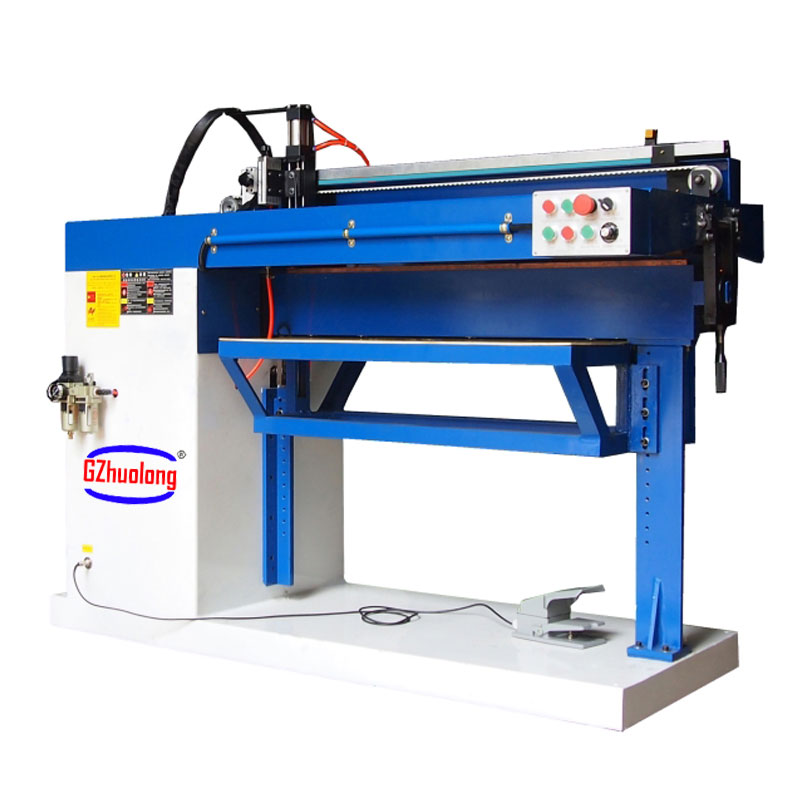
Welding robotic arm: factories of the future
Factories today are not the noisy and dusty places we once imagined them to be. More and more automation, less and less manual labor. One of the striking examples of such modernization is the introduction of welding robotic manipulators. These "iron helpers" are revolutionizing welding processes, making them faster, more accurate and safer.
Increased welding productivity and quality
Welding robots do not get tired, do not get distracted and work with unsurpassed precision. This allows you to significantly increase the productivity of welding work. If previously a welder could complete a certain amount of work in a day, the robot can handle it in less time and at the same time with consistently high quality welds. The robot is programmed to perform given parameters, which eliminates the human factor - fatigue, inattention, errors. The result is perfectly smooth and strong welds, reduced scrap and material savings.
Ensuring occupational safety
Welding is a process associated with risks to human health. High temperatures, sparks, harmful fumes - all this can lead to injury and illness. Robot welders are taking on dangerous jobs while protecting people from potential threats. They work in special enclosures, isolating people from harmful factors. This is especially important in large industries, where the scale of work and, accordingly, the risks are much higher. The introduction of robots makes it possible to create safer working conditions and preserve the health of workers.
Economic benefits and development prospects
Of course, the initial investment in purchasing and implementing welding robots is significant. However, in the long run they pay off through increased productivity, lower production costs and reduced labor costs. In addition, technology is constantly evolving, robots are becoming more advanced, multifunctional and affordable. In the future, we will see even greater adoption of welding robotic arms in factories around the world, leading to a new era in industrial automation.