Robot welding: factory of the future
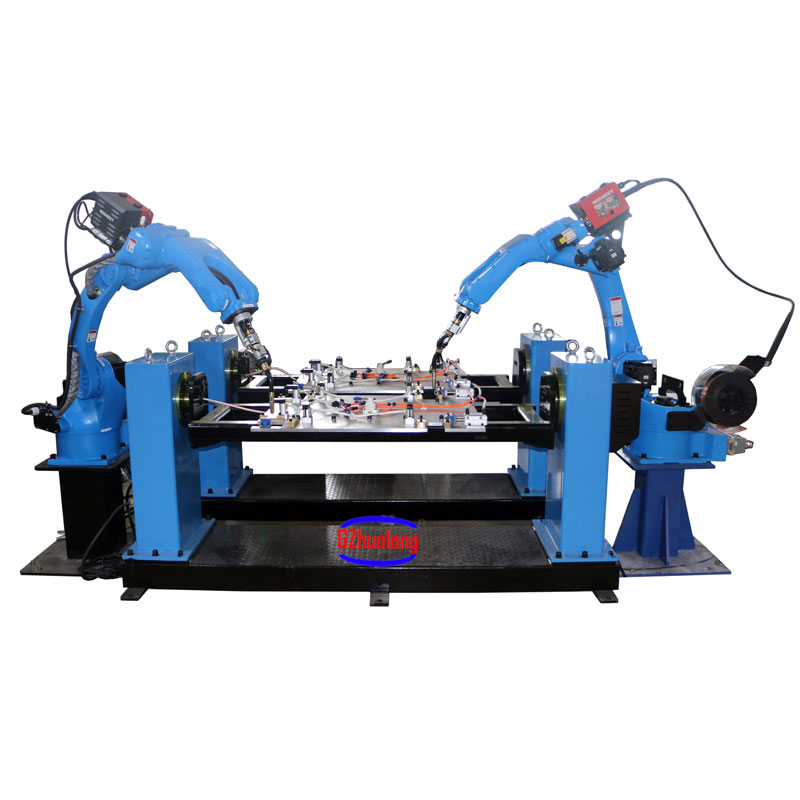
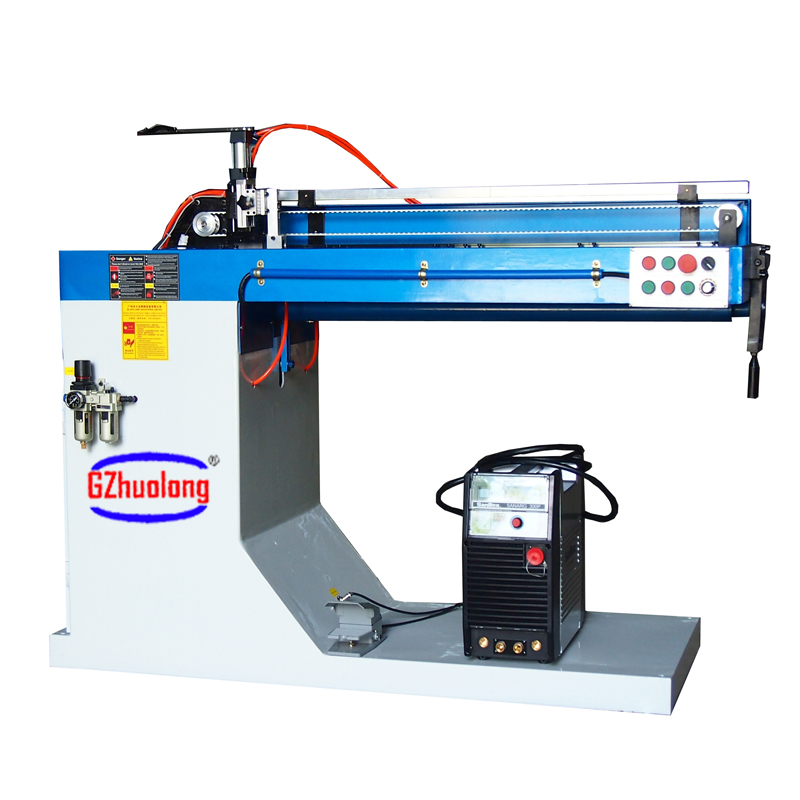
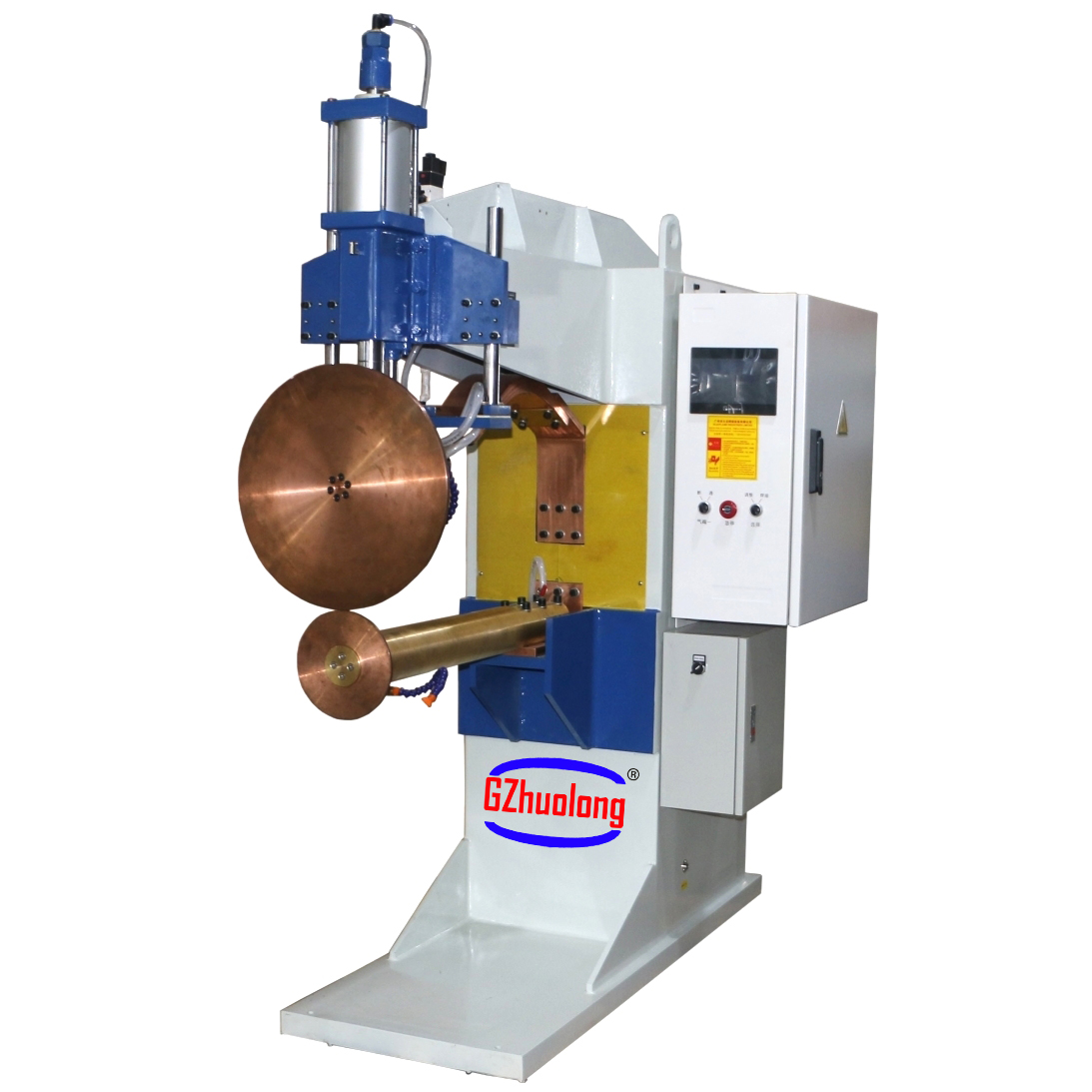
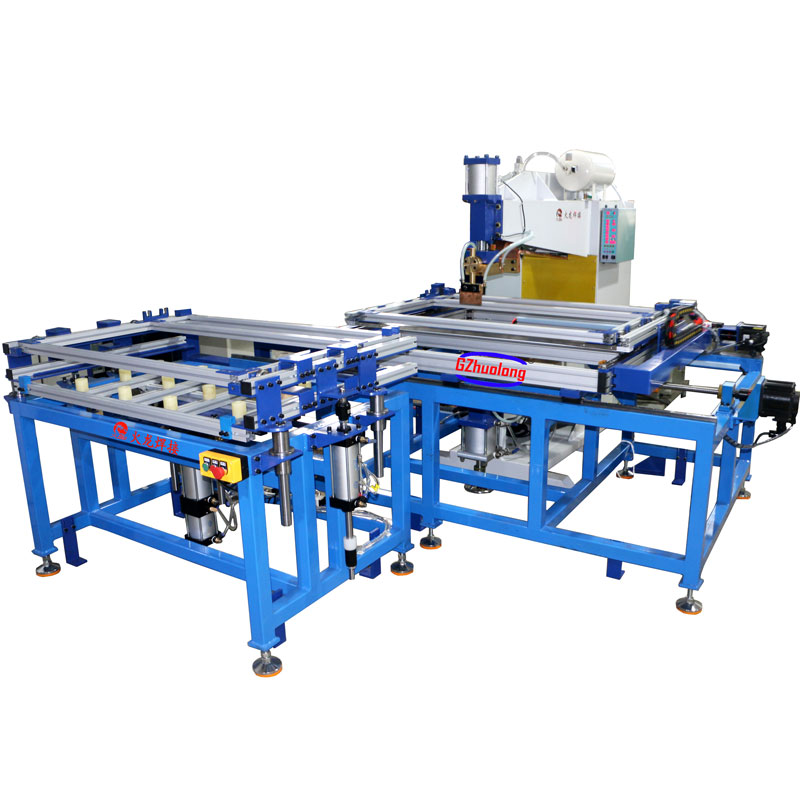
A modern factory is not only conveyors and people in overalls. Increasingly, robots are appearing on production sites that perform complex and dangerous tasks, including welding. Robotic welding is no longer science fiction, but a reality that is significantly changing the appearance of many factories. Let's look at how this happens.
Welding automation: precision and speed
The main advantage of robotic welding is its incredible accuracy. The robot does not get tired, is not distracted and performs welding work with the same quality throughout the entire work cycle. This allows you to reduce the percentage of defects, increase productivity and, as a result, reduce production costs. Due to its high speed, the robot is able to perform a volume of welding that would take a person hours to complete in a matter of minutes. Imagine welding complex spatial structures: the robot copes with it easily and naturally, avoiding errors associated with the human factor.
Safety first: protecting workers
Robot welders take on not only routine but also dangerous work. Welding is a process involving sparks, ultraviolet radiation and harmful fumes. The use of robots can significantly reduce the health risks of welders, protecting them from burns, eye damage and other injuries. People can engage in more creative and intelligent tasks by controlling the robot's performance and customizing it to specific needs. This increases the level of safety at the enterprise and improves working conditions.
Development prospects: smart robots in the service of production
Technology development does not stand still. Modern welding robots are equipped with increasingly sophisticated control systems and sensors. They are able to adapt to changes in the geometry of the parts being welded, recognize defects and independently correct their actions. In the future, we will see even smarter robots, capable of working in conditions of maximum autonomy, planning their actions and even learning based on experience. Robotic welding is not just process automation, it is an evolution of production that makes it more efficient, safe and competitive.