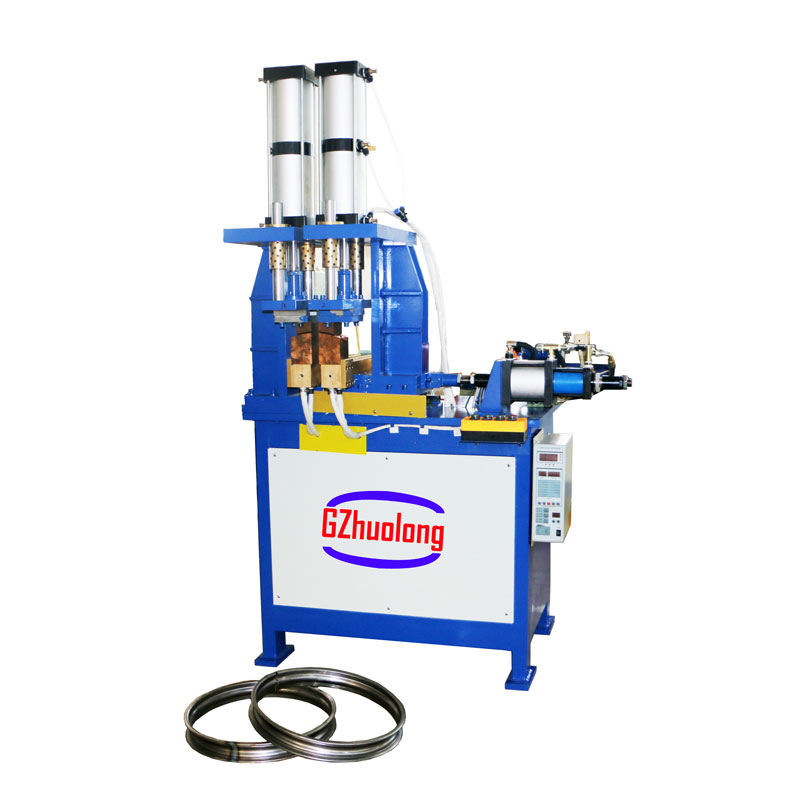
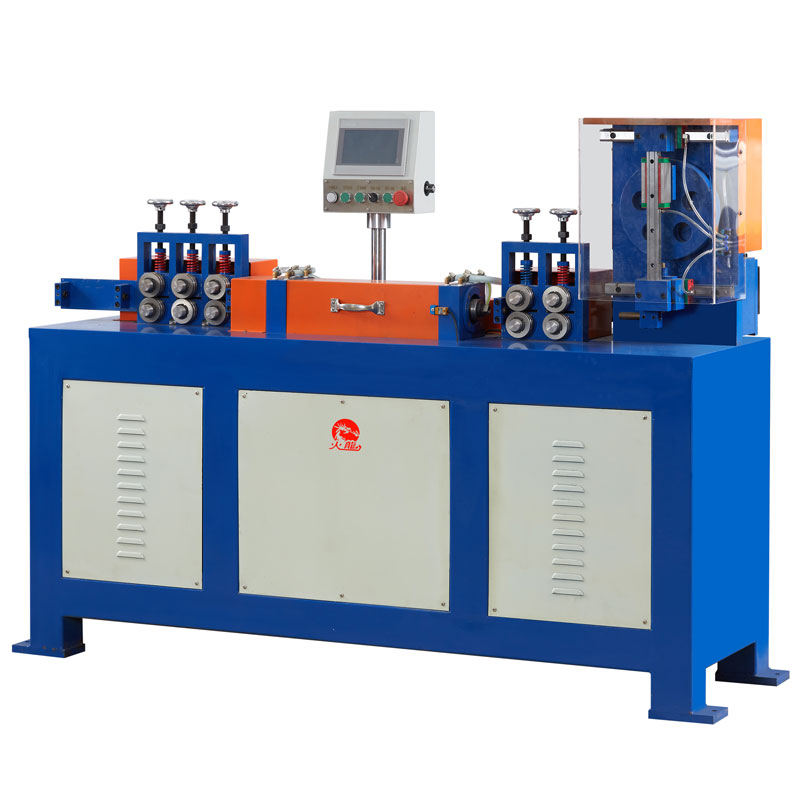
High Frequency Induction Heating Equipment
High frequency induction heating is an effective and modern method of heating metals based on the principle of electromagnetic induction. It is used in a wide range of applications, from jewelry making to large-scale metallurgical production. The successful operation of an induction heating system directly depends on the quality and correct selection of equipment. Let's consider its main components.
1. High frequency generator
The heart of the entire system is the high frequency generator. It converts energy from the AC mains into high-frequency current (typically several kilohertz to several megahertz). The quality of the generator determines the efficiency and stability of heating. Modern generators are distinguished by high power, reliability and the ability to adjust heating parameters. It is important to choose a generator whose power matches the tasks and size of the parts being processed. For example, a generator with less power is suitable for heating small metal workpieces, but for melting metal in large volumes, a much more powerful device will be required. Some generators are equipped with automatic control systems, which simplifies the heating process and increases its accuracy.
2. Inductor (heating coil)
An inductor is a coil of copper tube through which a high-frequency current flows. It creates an alternating magnetic field that penetrates the heated metal. Eddy currents induced in the metal cause it to heat up. The design of the inductor depends on the shape and size of the heated part, as well as on the required speed and uniformity of heating. The correct selection and manufacture of an inductor is the key to effective heating. The optimal design of the inductor minimizes energy losses and ensures the most uniform heat distribution in the part.
3. Cooling system
High-frequency induction heating is an energy-intensive process, and the generator, and especially the inductor, become very hot during operation. Therefore, the presence of an effective cooling system is a prerequisite for uninterrupted operation of the equipment. Typically, liquid cooling systems are used to remove heat from the generator and inductor, preventing them from overheating and failure. The choice of cooling system depends on the power of the equipment and its operating conditions. Insufficient cooling can lead to reduced heating efficiency, shortened equipment life, and even accidents.