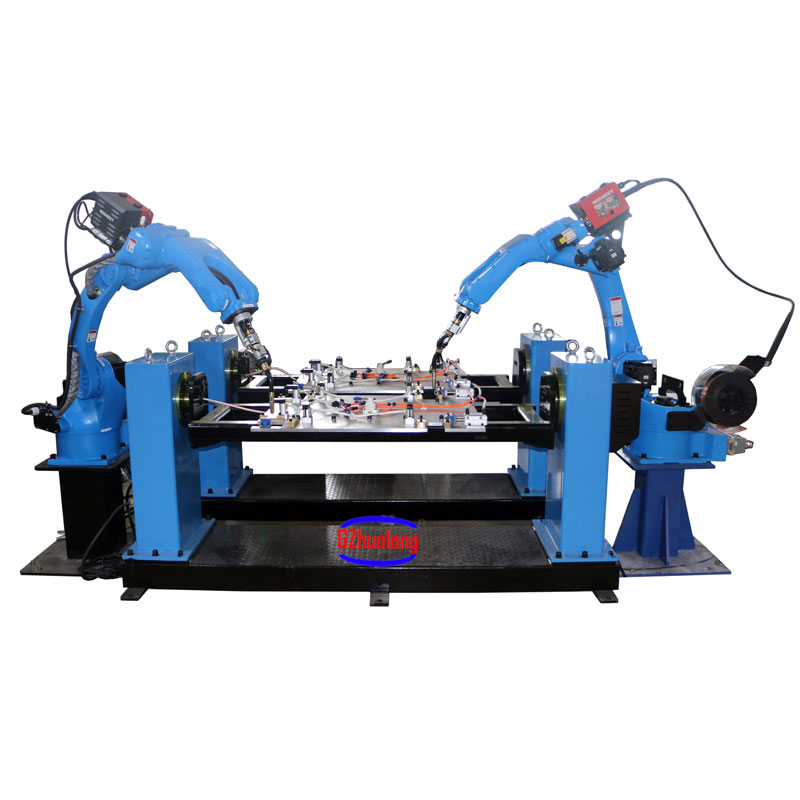
Aluminum Plate Spot Welding Machine: Manufacturers
Aluminum is a lightweight, strong and corrosion-resistant material widely used in automotive, aerospace and other industries. However, welding aluminum is a process that requires a specific approach. Spot welding is one of the most effective methods of joining aluminum plates, and therefore machine manufacturers for this process are constantly improving their technology. Selecting the right equipment is key to ensuring a quality and productive process.
1. Manufacturer selection criteria
When choosing an aluminum plate spot welding machine manufacturer, there are several important factors to consider. Firstly, this is the company’s reputation and its experience in the production of welding equipment. Check for reviews from other users, evaluate how long the company has been in the market. Secondly, pay attention to the technical characteristics of the machines offered: power, welding speed, range of welding parameters adjustments (current strength, welding time, electrode pressure). Modern models are often equipped with monitoring and control systems for the welding process, which improves the quality and repeatability of seams. Finally, do not forget about service support: the availability of a warranty, prompt service and availability of spare parts are important aspects of long-term operation.
2. Types of machines and their features
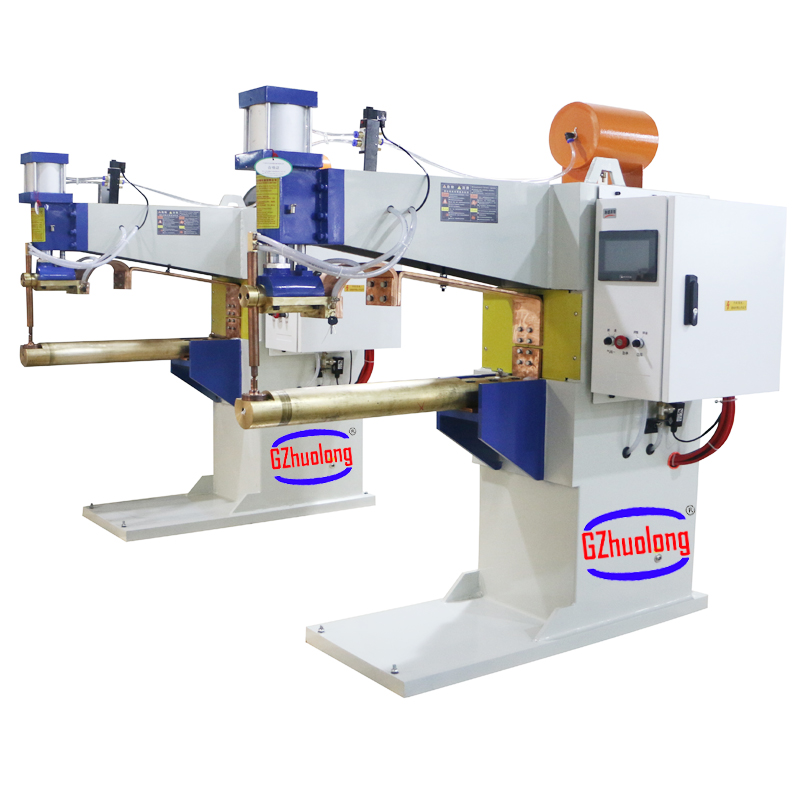
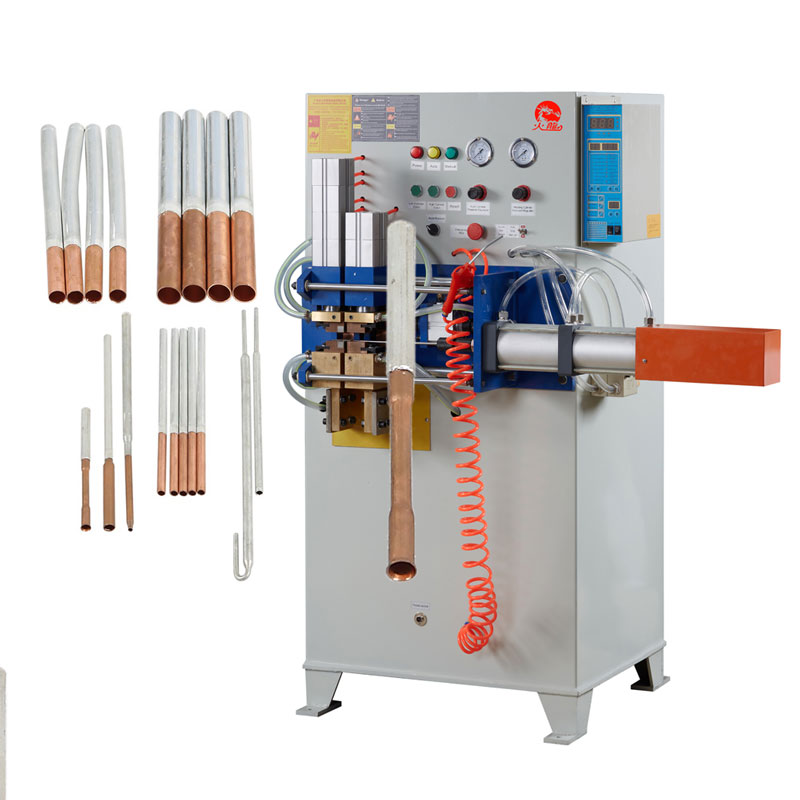
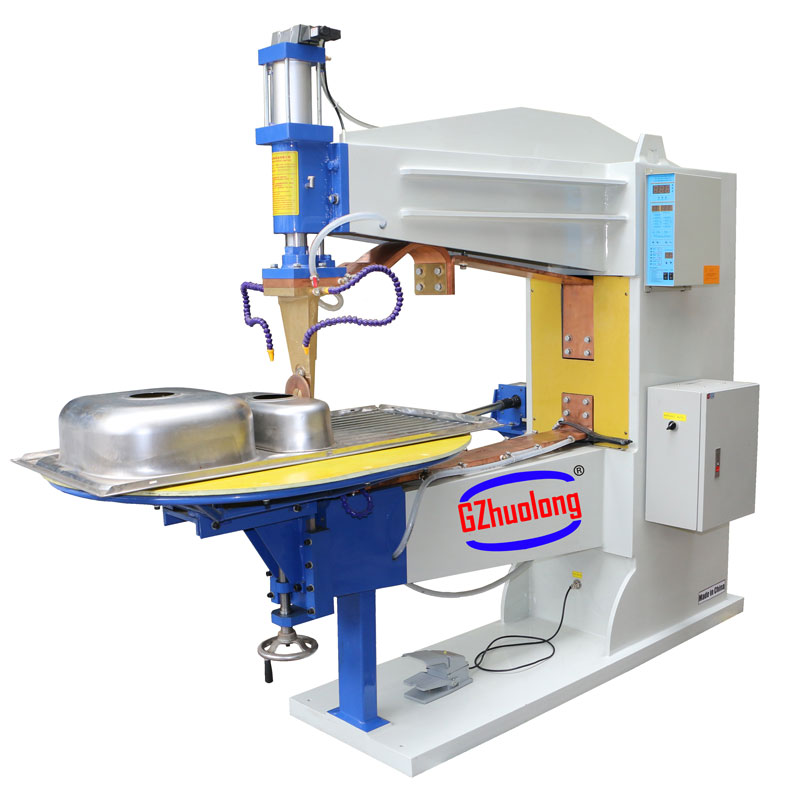
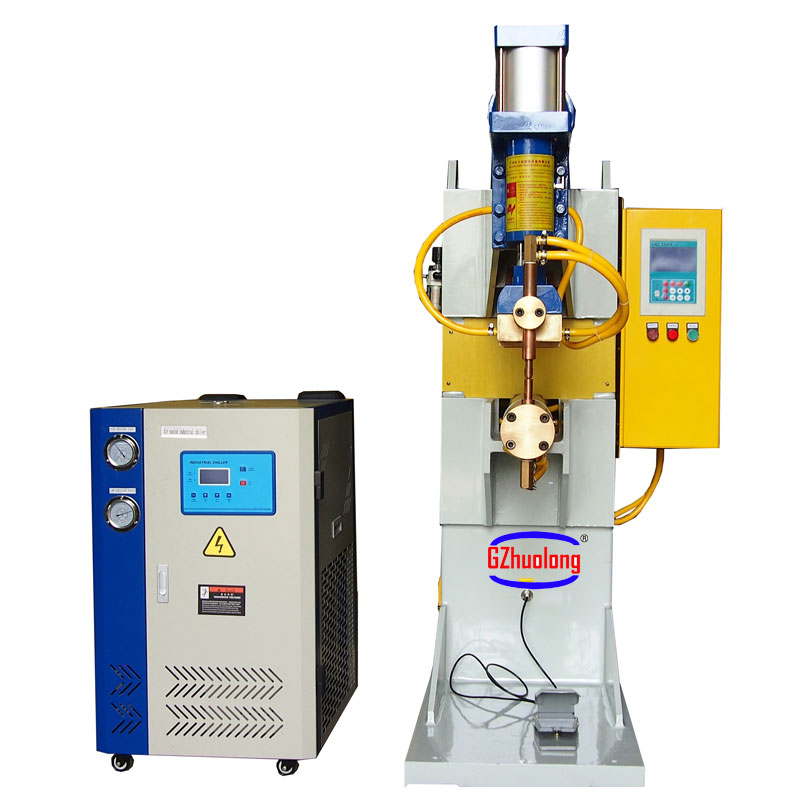
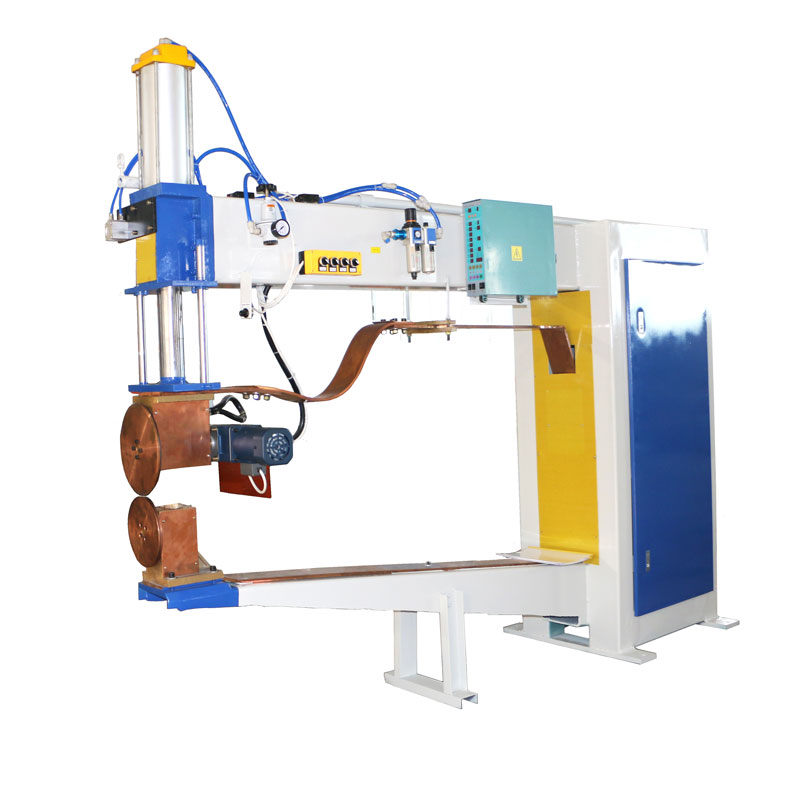
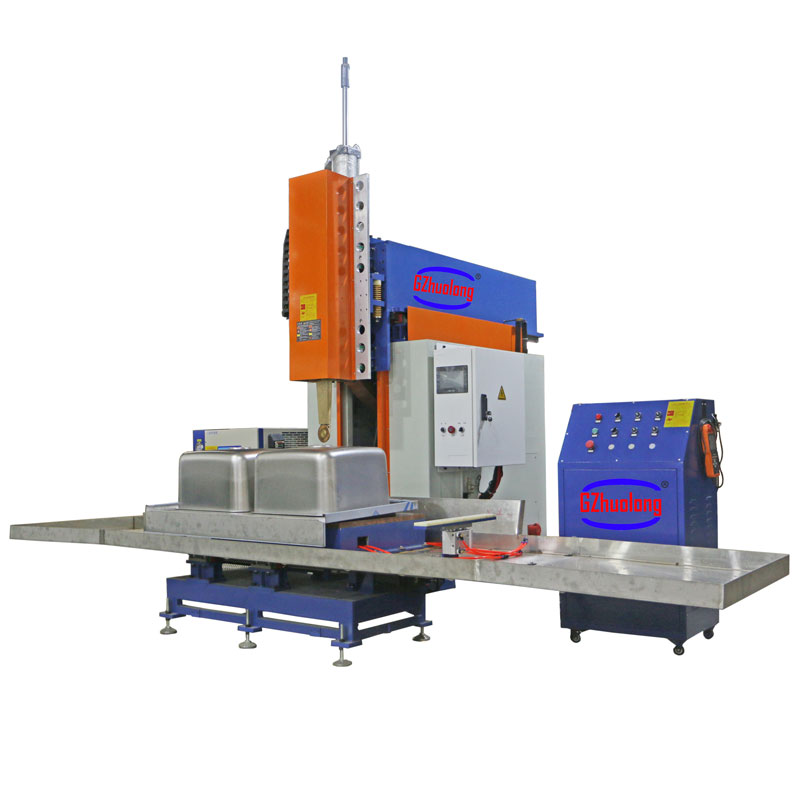
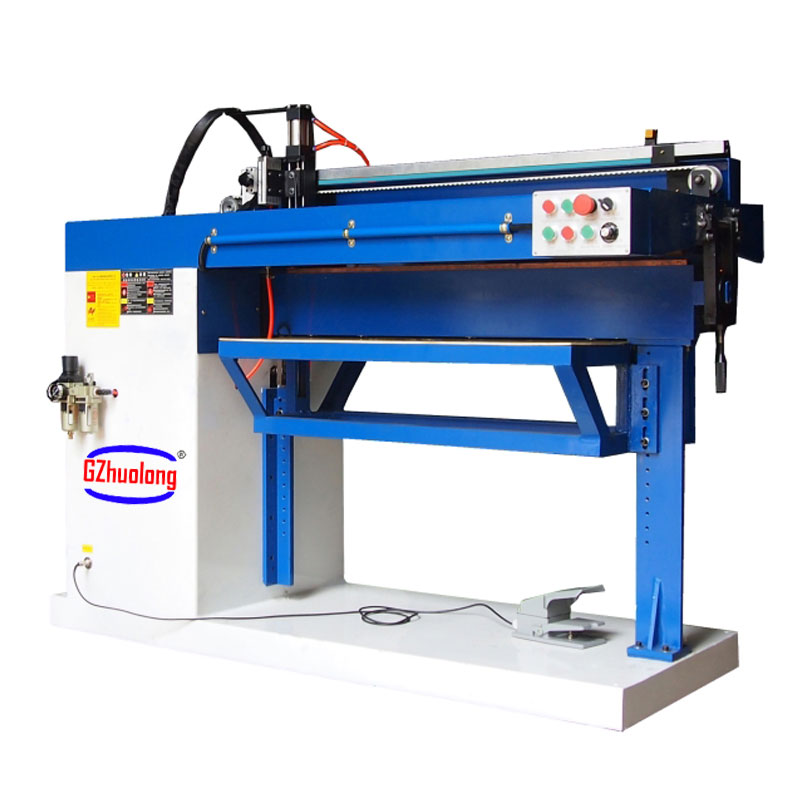
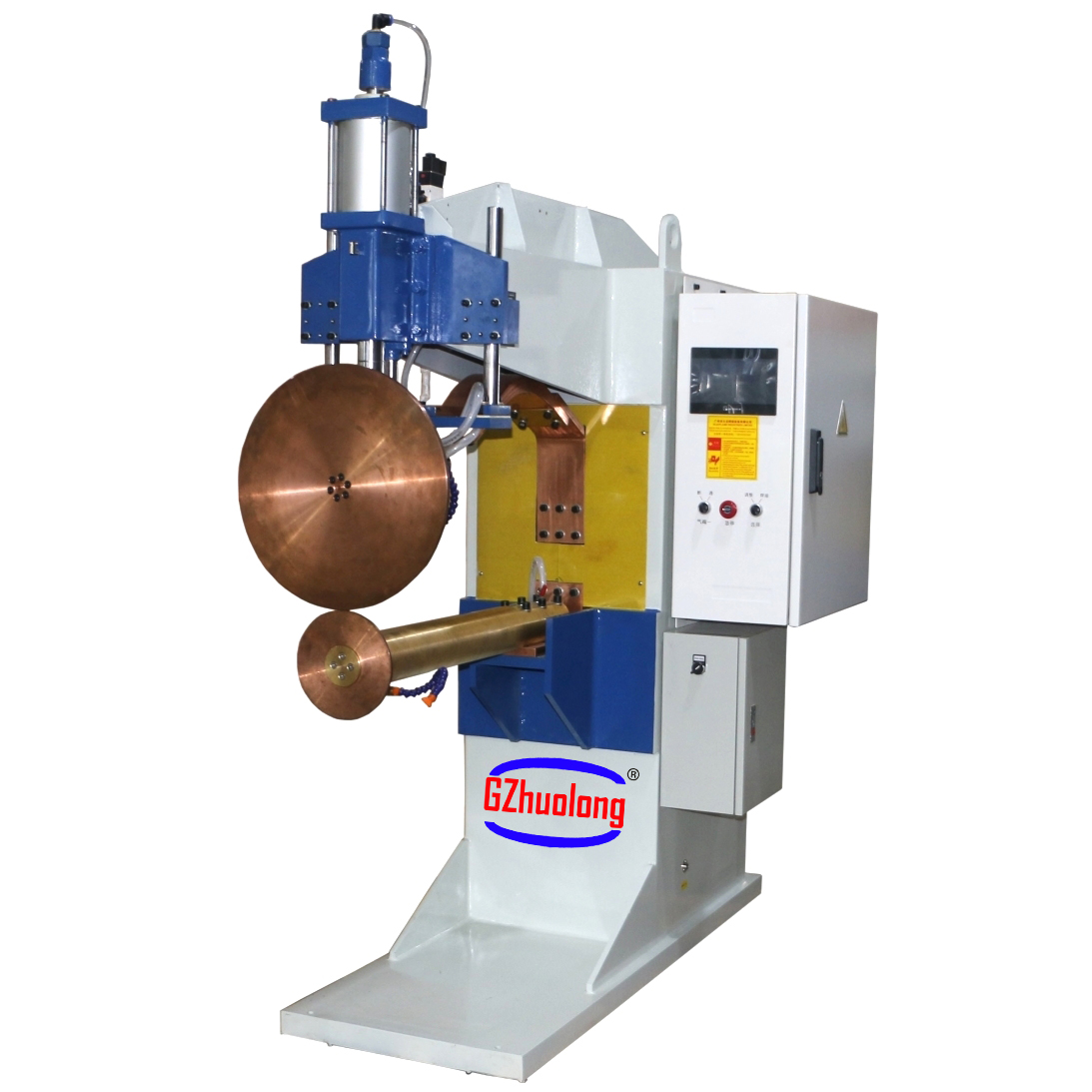
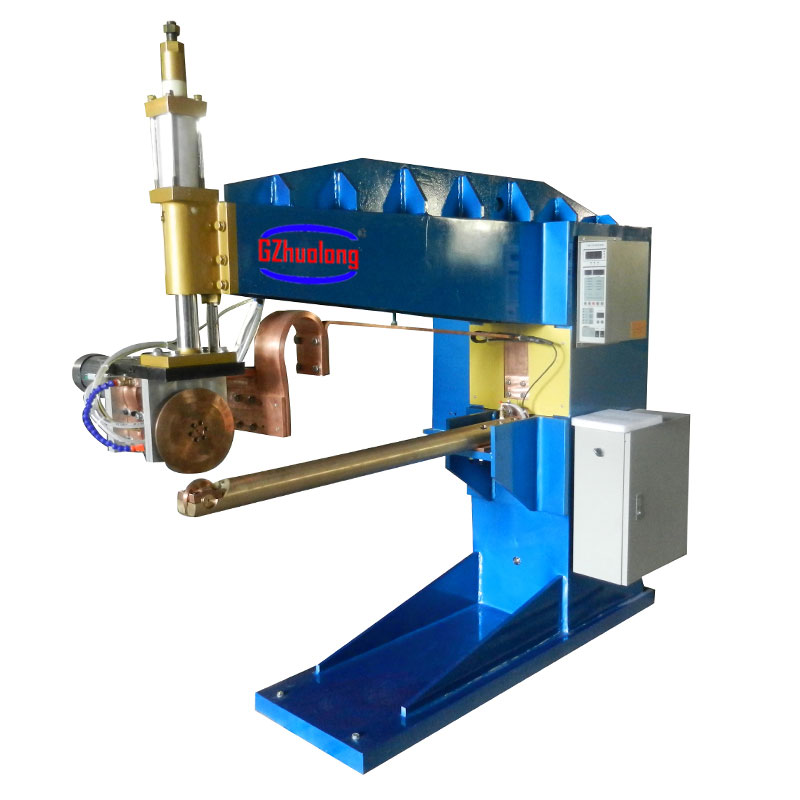
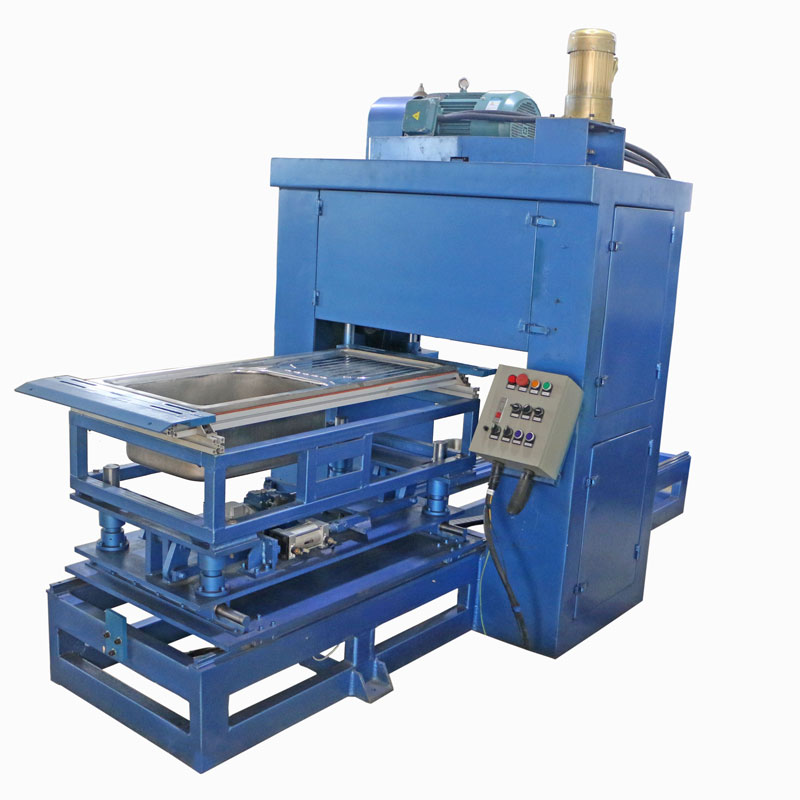
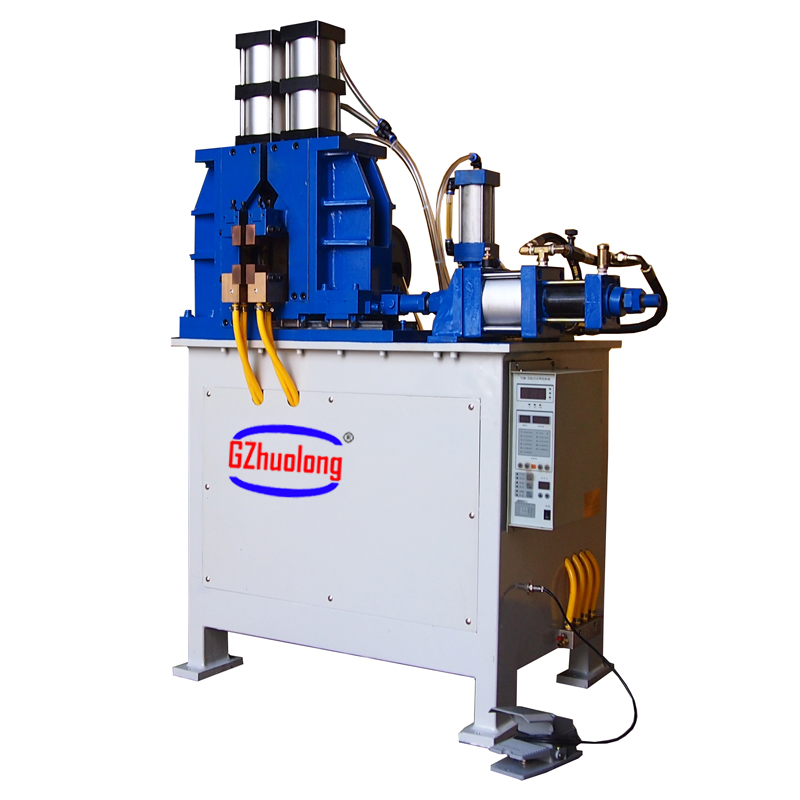
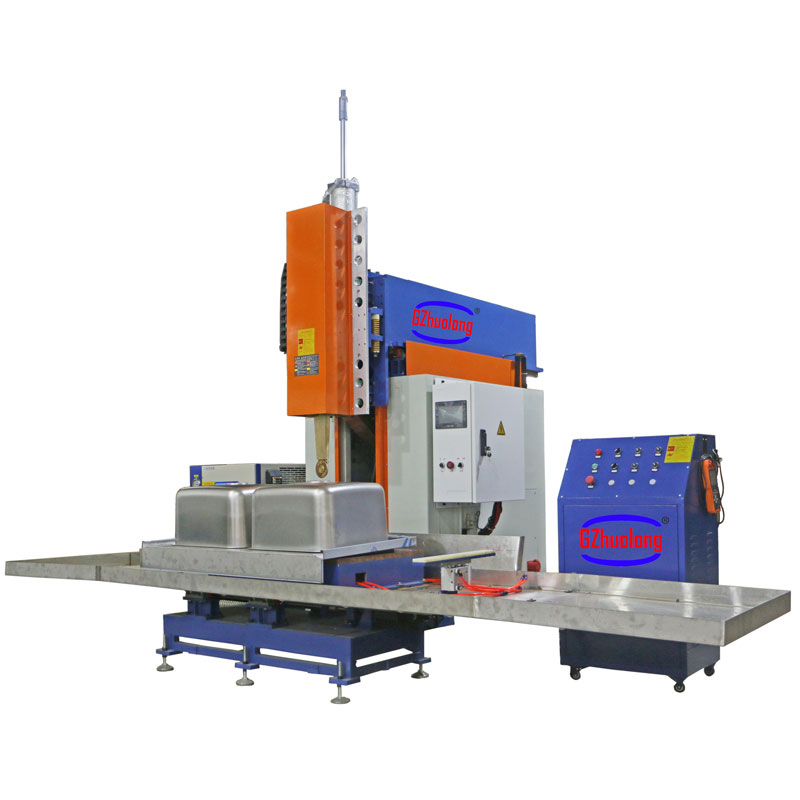
There are various types of aluminum plate spot welding machines available in the market. These can be either manual or automatic models. Manual machines are suitable for small volumes of work and require highly qualified welders. Automatic machines, on the other hand, provide high productivity and repeatability of welding and are often used in mass production. In addition, machines may differ in the type of power source (transformer, inverter) and cooling system. The choice of the optimal type of machine depends on the specific tasks and production conditions.
3. Prospects for technology development
Aluminum spot welding technologies are constantly evolving. Modern machines are equipped with intelligent control systems that allow optimizing welding parameters depending on the thickness and quality of the metal. New types of electrodes and filler materials are being developed to improve the quality of welded joints and expand the scope of application of the technology. In the future, further improvements in process speed and efficiency are expected, as well as the integration of spot welding machines into automated production lines. Choosing a reliable manufacturer with a focus on innovation is the key to successful work and high quality products.