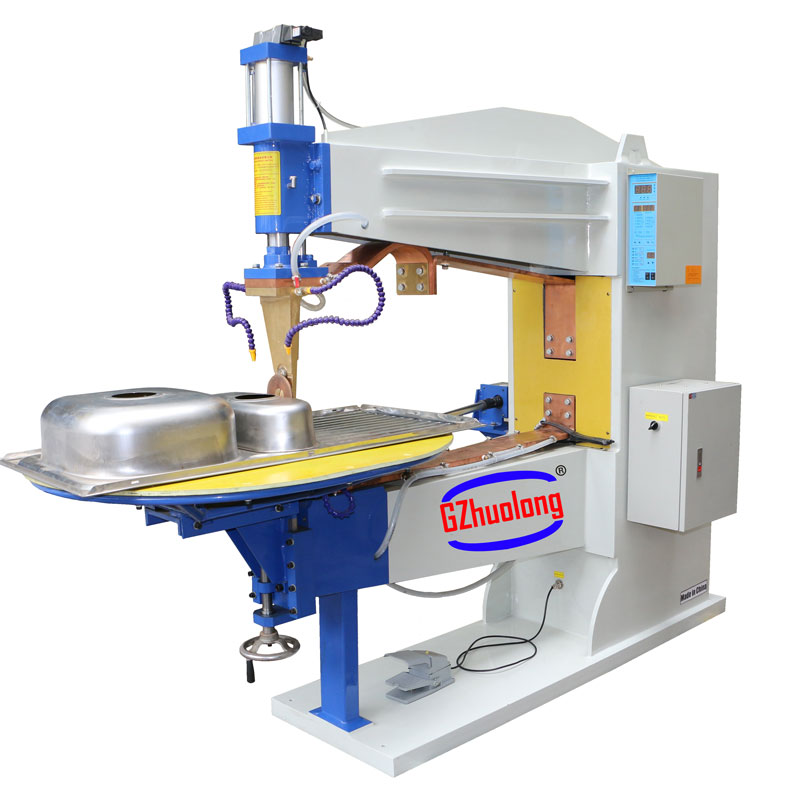
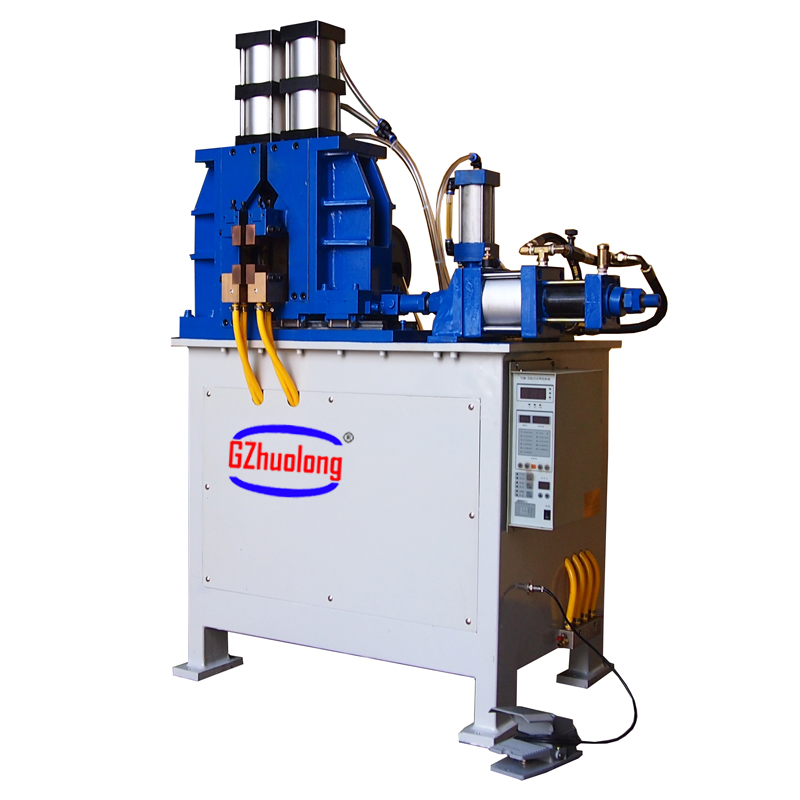
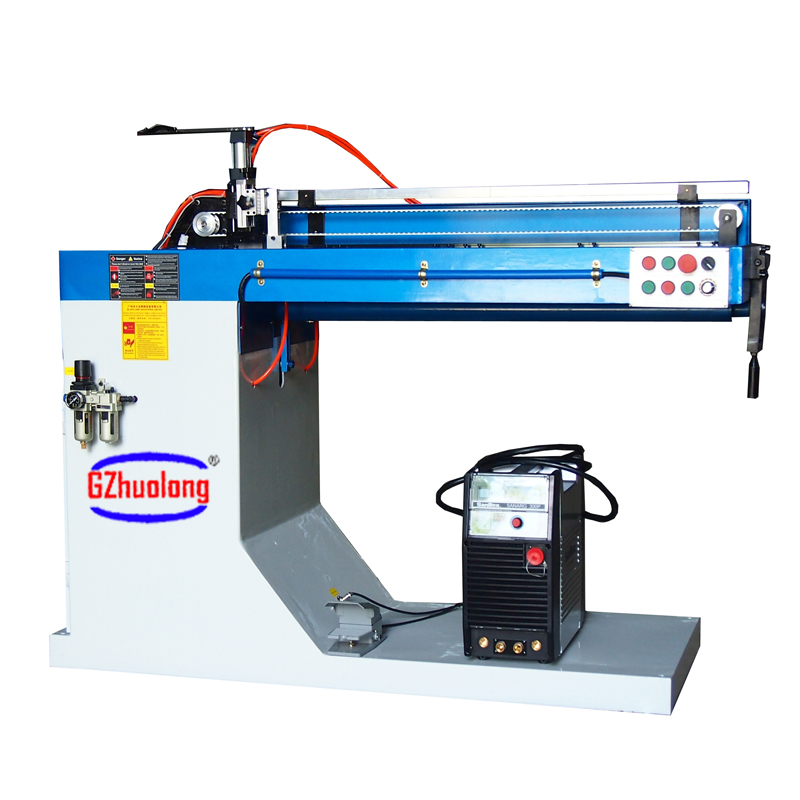
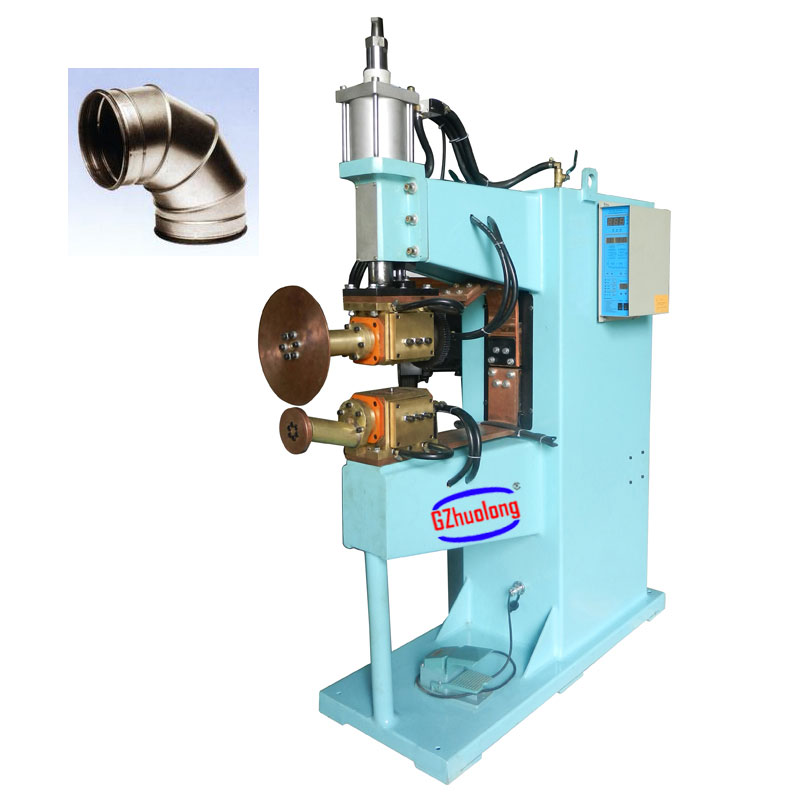
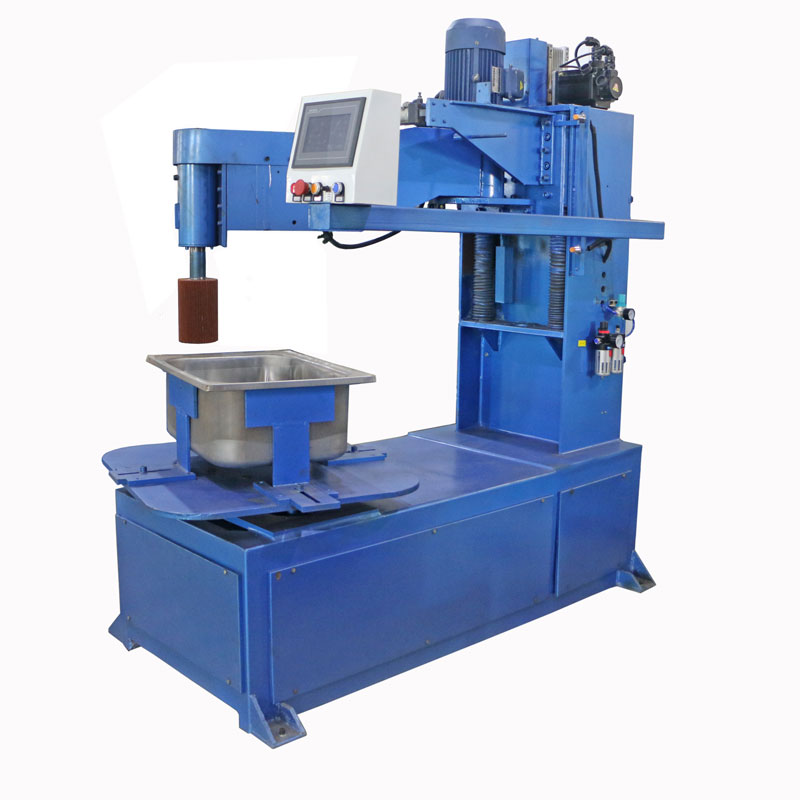
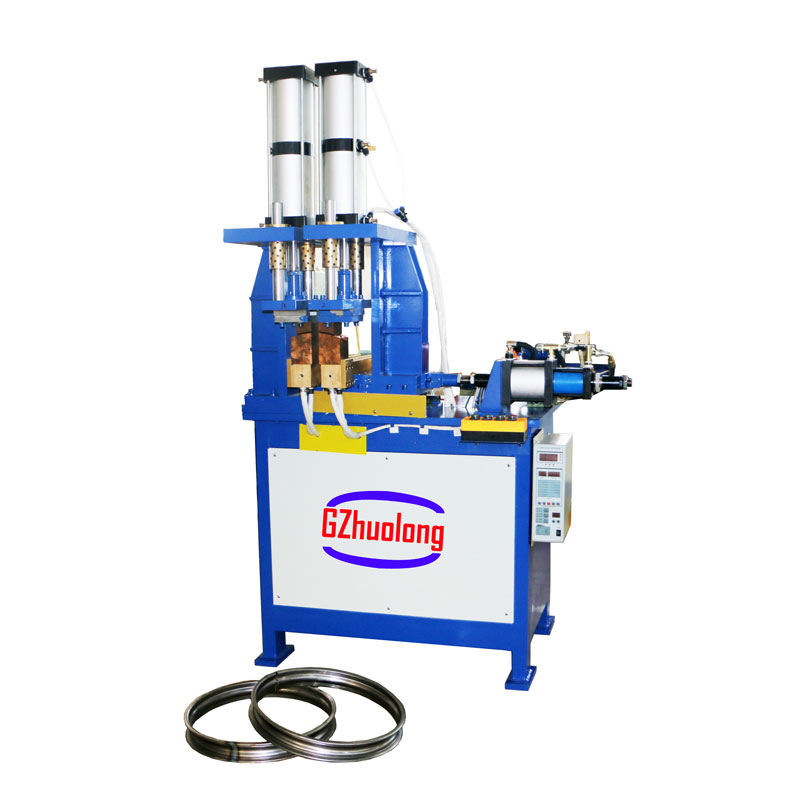
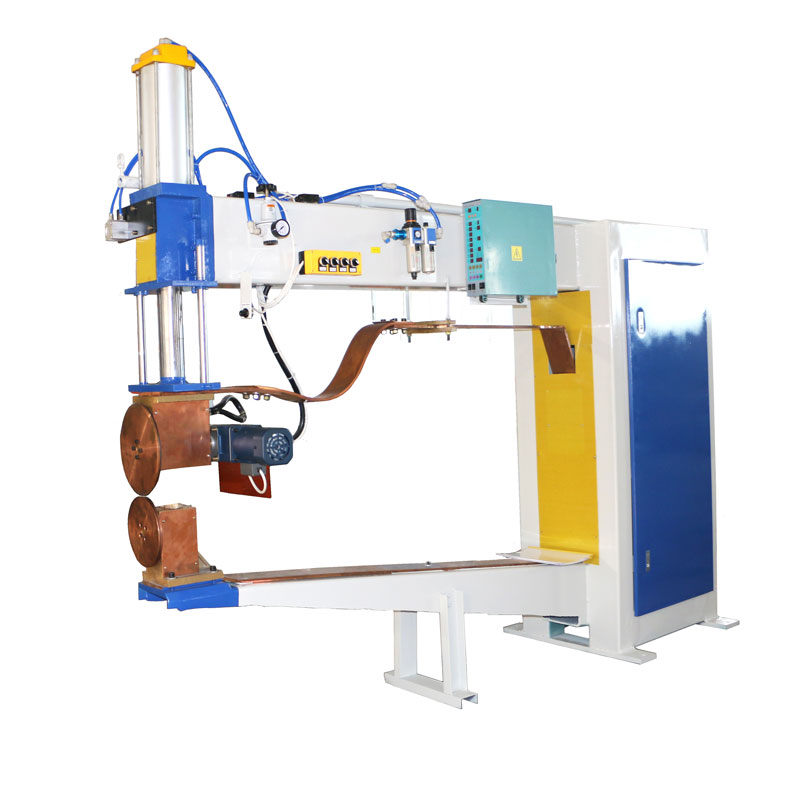
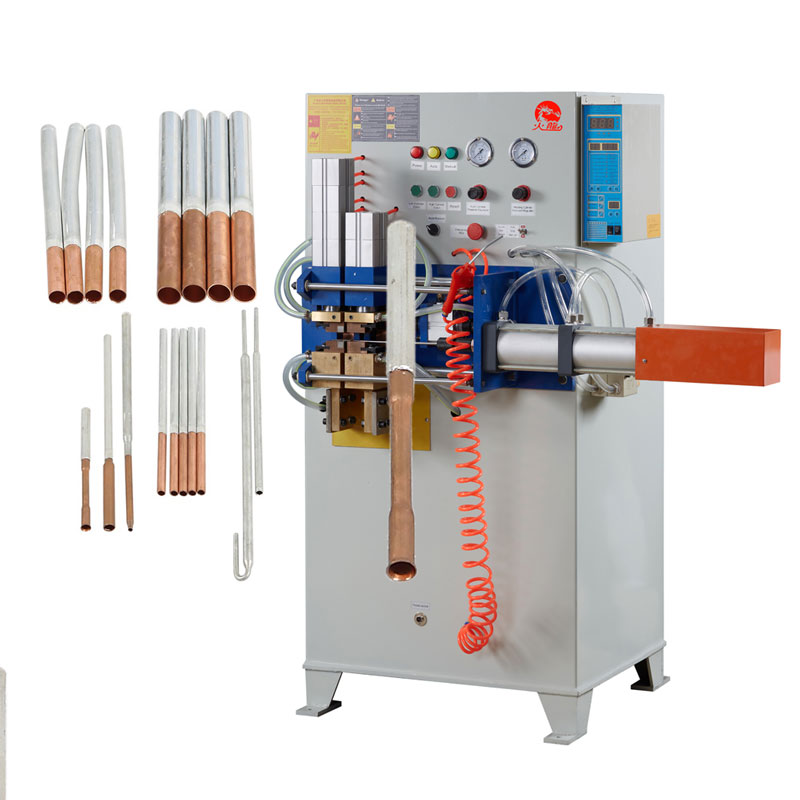
Contact press welding machine
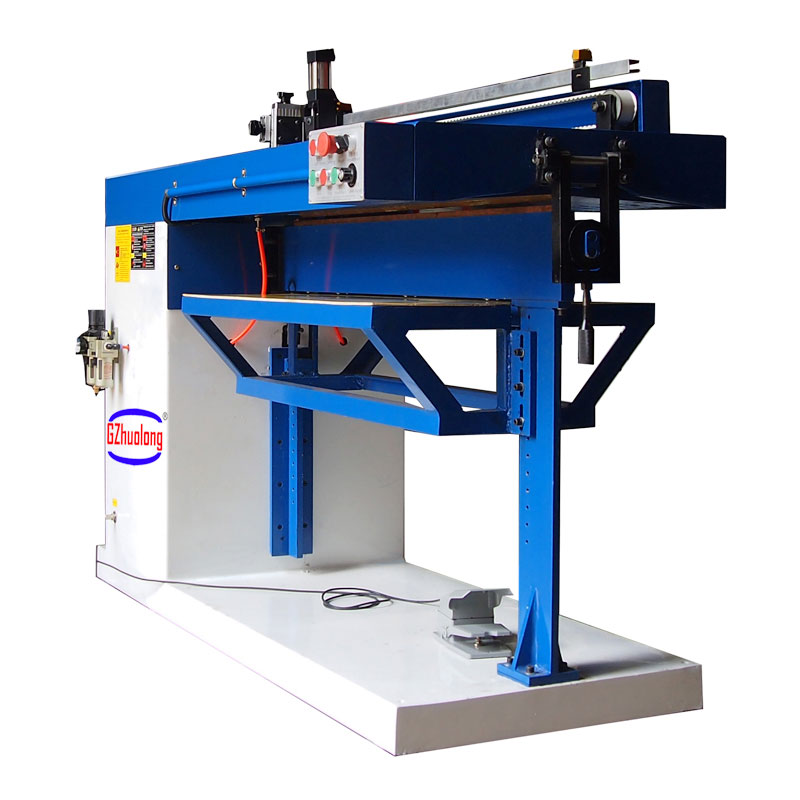
Contact-press welding is a technology for joining metals under the influence of high pressure and electric current. Imagine two sheets of metal that need to be held together firmly and securely, as if they were puzzle pieces that fit perfectly together. This is exactly what a resistance-press welding machine does. She is like a skilled jeweler, carefully and precisely connecting metal parts to create a seamless whole. This method is used in many industries, from automotive to electronics manufacturing.
Operating principle: a miracle of electricity and pressure
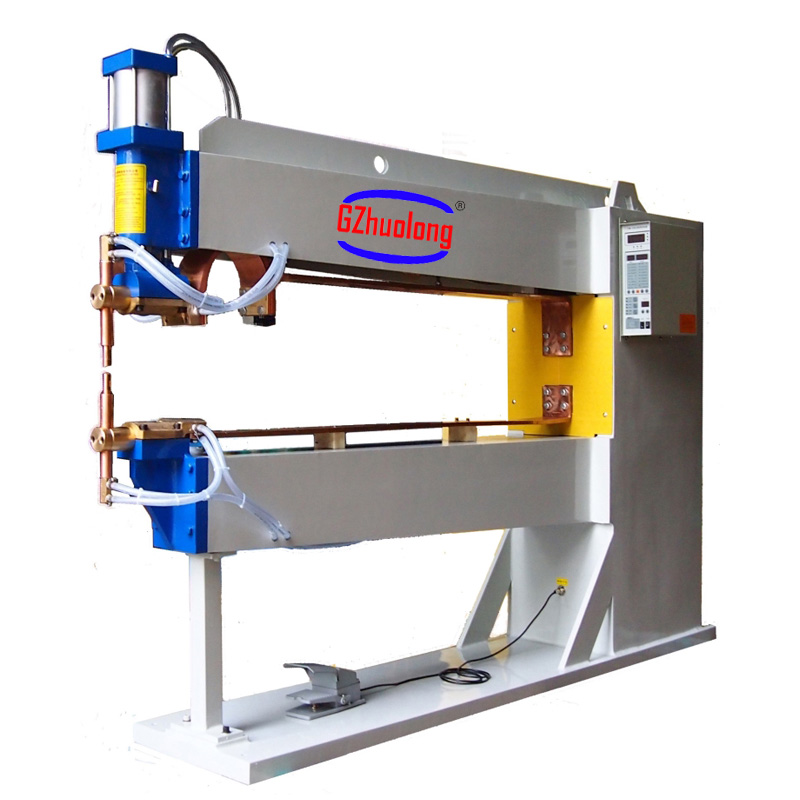
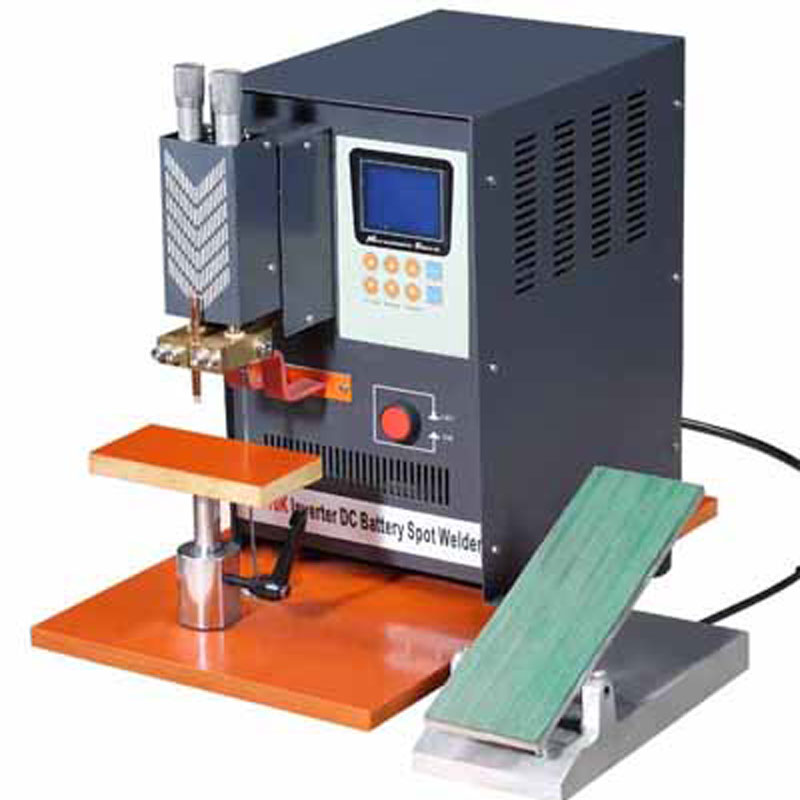
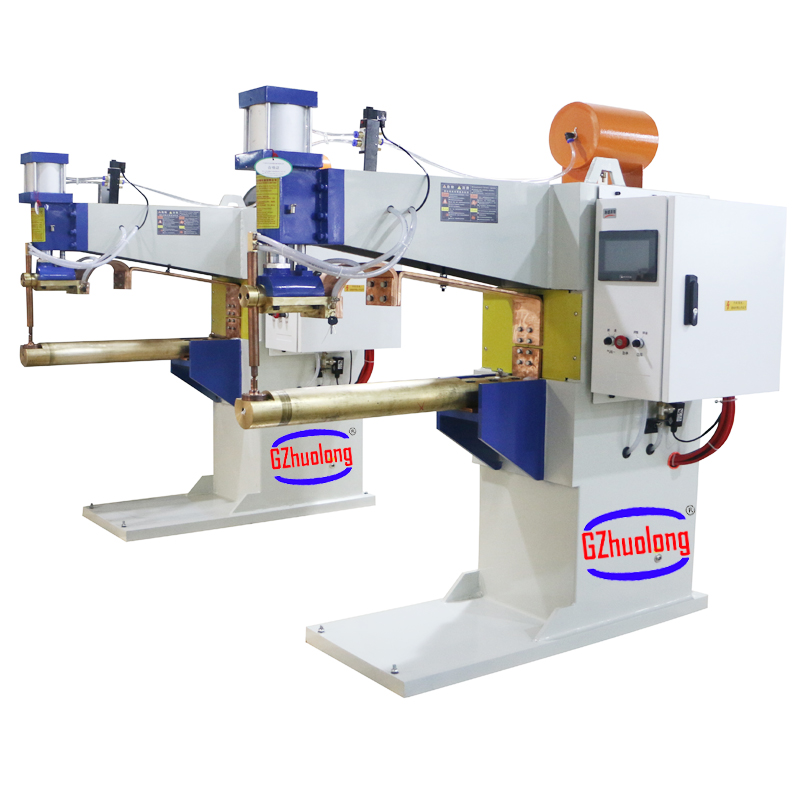
The welding process takes place in a special device equipped with powerful electrodes. The parts to be welded are clamped between the electrodes. Under the influence of high pressure, the electrodes press the metal, ensuring tight contact. Then a high-intensity electric current is turned on and passes through the contact area. Due to this, the metal at the junction is heated to a plastic state, and then, under the influence of continued pressure, the metals merge. The result is a strong, almost monolithic connection. The entire procedure takes just seconds, demonstrating the impressive efficiency of the process.
Benefits and Applications: From Automotive to Jewelry
Contact-press welding has a number of advantages: high welding speed, strong connection, minimal number of defects, process automation. Thanks to these qualities, it has found wide application in various industries. The automotive industry uses it to join car parts, the electronics industry uses it to create microchips, and the food industry uses it to seal packaging. Even in jewelry, there are cases of using this method to connect thin metal parts. The versatility and effectiveness of the method makes it an indispensable tool in modern production.
Current trends: a step into the future
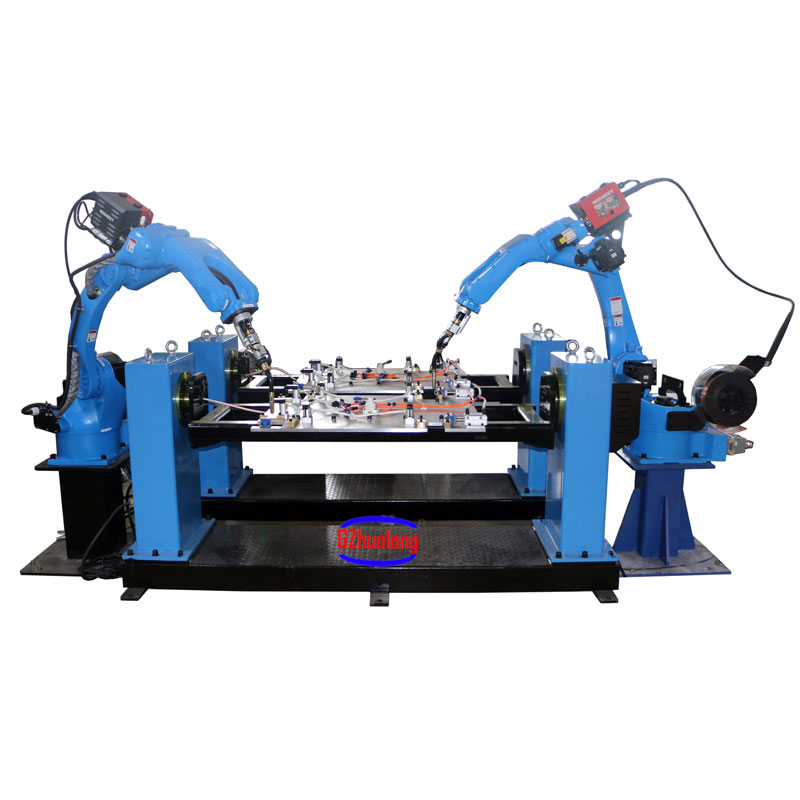
Modern contact-press welding machines are distinguished by high precision and automation. They are equipped with systems for monitoring and adjusting welding parameters, which allows you to achieve optimal joint quality. New technologies are being developed to improve productivity and expand the scope of this method. For example, computer control systems are being introduced that make it possible to set individual welding parameters for various materials and thicknesses. This guarantees high quality welding and ensures long-lasting connections under a wide range of operating conditions.