Induction Melting Machine
Induction melting is a modern and effective method of melting metals using the power of electromagnetic induction. Imagine a magic pot that heats the contents without direct contact with the fire - that's how an induction melting machine works. Instead of an open flame or a gas burner, a high-frequency electromagnetic field is used here, which “warms up” metal from the inside, ensuring a uniform and high-quality melting process.
Working Principle: The Miracle of Electromagnetic Induction
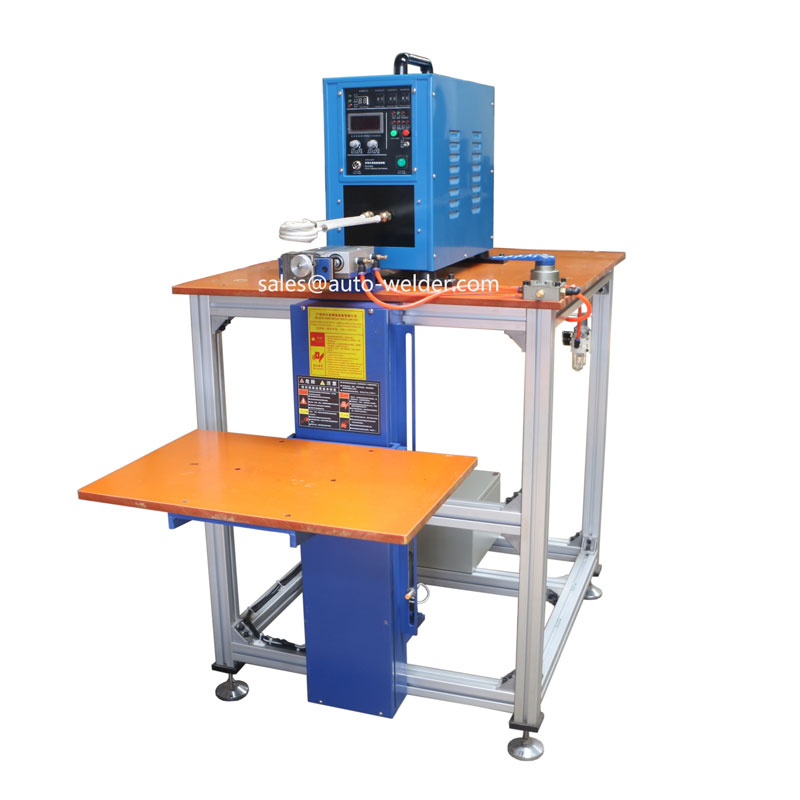
The secret lies in the inductor - a coil of copper tube through which high-frequency current flows. This current creates an alternating magnetic field, which in turn induces eddy currents in the metal placed inside the inductor. These eddy currents, like tiny lightning bolts inside the metal, generate enormous amounts of heat, causing it to melt quickly and evenly. It is important to note that the crucible itself, which contains the metal, remains relatively cold, which significantly increases its service life.
Advantages of induction melting: cleanliness and control
Compared to traditional melting methods, the induction method has several advantages. Firstly, this is the high purity of the resulting metal. The absence of direct contact with fuel and air minimizes oxidation and contamination of the melt. Secondly, induction melting provides excellent control over the melting point, which allows you to obtain metal with desired properties and composition. Finally, the process is automated, reducing labor costs and increasing productivity.
Application: from jewelry to space technology
Induction melting machines are widely used in various industries. From smelting precious metals for jewelry to producing high-quality alloys for the aerospace industry, the possibilities of this method are almost endless. In foundry production, induction furnaces make it possible to produce high-precision castings of complex shapes, and in metalworking, they effectively remelt secondary metal. Induction melting is not just a technology, it is the key to creating the materials of the future.