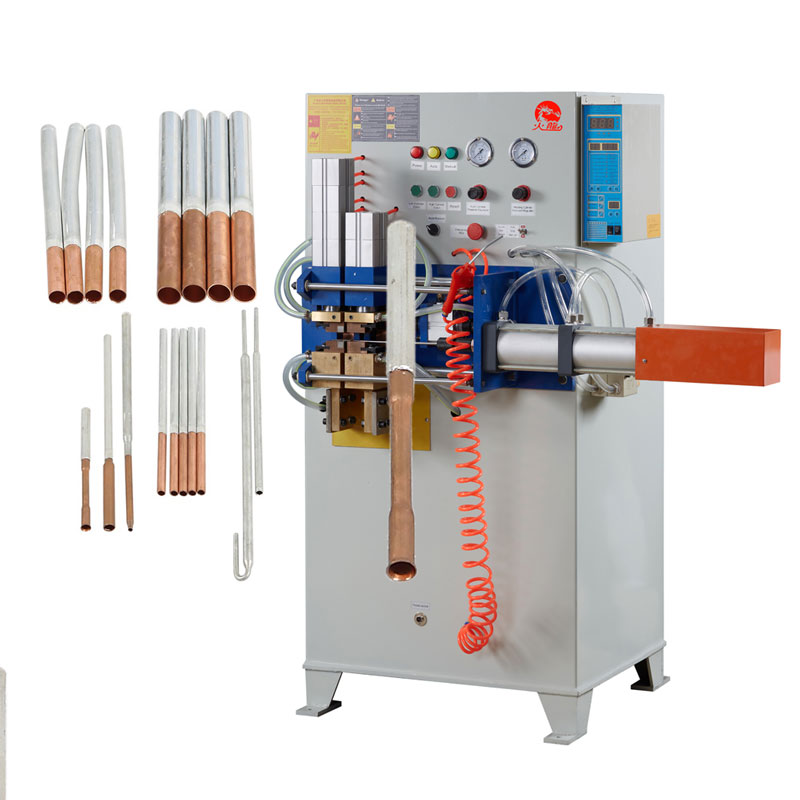
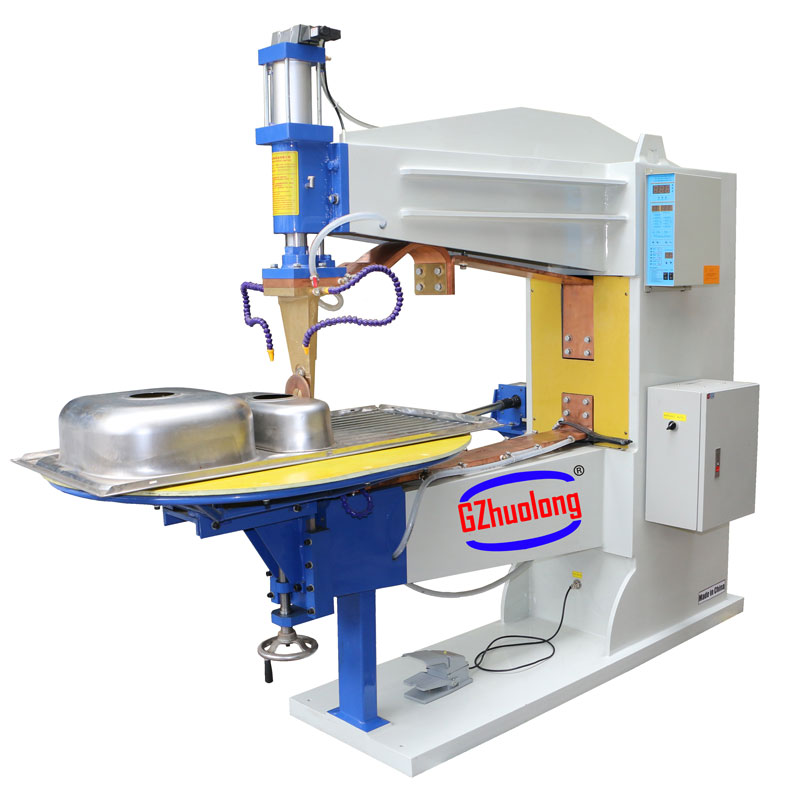
Induction firing machine
Induction firing is a high-tech process that allows materials to be heated to very high temperatures using electromagnetic induction. Unlike traditional ovens, where heat is transferred through a flame or contact with a heated surface, induction machines use eddy currents induced in the material itself. Imagine a magic wand that not only heats up an object, but makes it generate heat itself from the inside! This is exactly how an induction firing machine works.
Advantages of induction firing
The main advantage is high efficiency and accuracy of temperature control. Since heat is generated within the material itself, heating occurs evenly and quickly. This allows for shorter firing times and lower energy consumption, making the process more economical. In addition, induction firing allows you to reach very high temperatures that are not possible with some traditional methods. Precision temperature control opens up the possibility of processing a wide variety of materials that require specific temperature conditions. This method also reduces harmful emissions into the environment because the process is cleaner.
Working principle of induction machine
The heart of an induction machine is an inductor - a coil through which a high-frequency electric current is passed. The alternating magnetic field it creates induces eddy currents in the material that is located inside the coil. These currents, meeting the resistance of the material, are converted into thermal energy, heating the material to the required temperature. The heating rate and temperature are controlled by changing the frequency and power of the current supplied to the inductor. The process is controlled by a complex automation system, ensuring accuracy and safety of work. Different types of inductors allow the processing of materials of various shapes and sizes.
Applications of Induction Firing Machines
Induction firing machines have found wide application in various industrial fields. They are used for firing ceramics, metals, glass and semiconductors. High heating rates and precise temperature control make them indispensable in processes that require high quality of the final product. In addition, induction furnaces are used in laboratories to study materials at high temperatures. Continuous improvement of technology makes induction firing an increasingly common and promising method of heat treatment of materials.