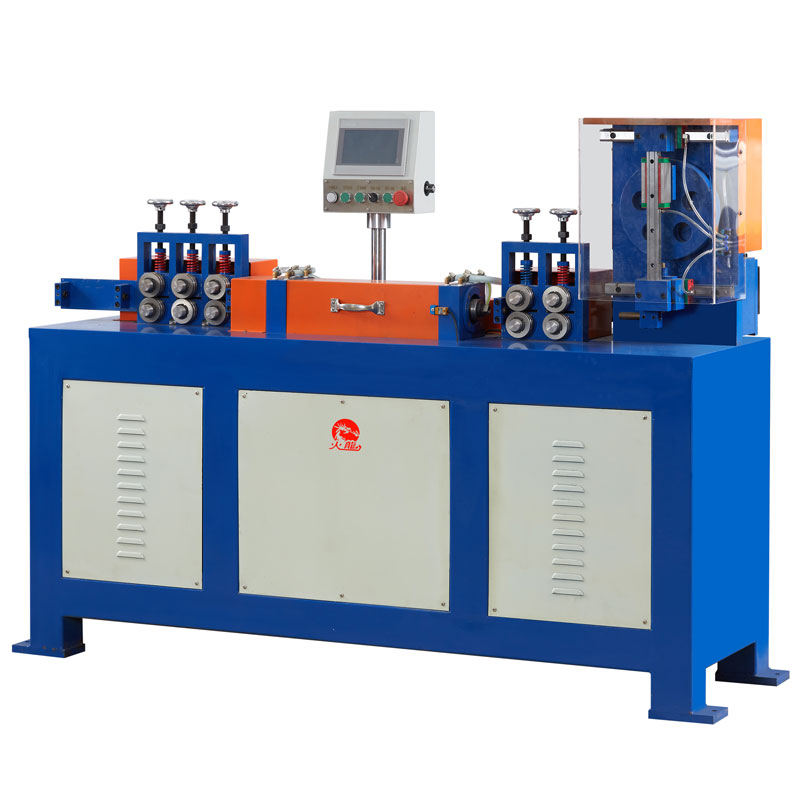
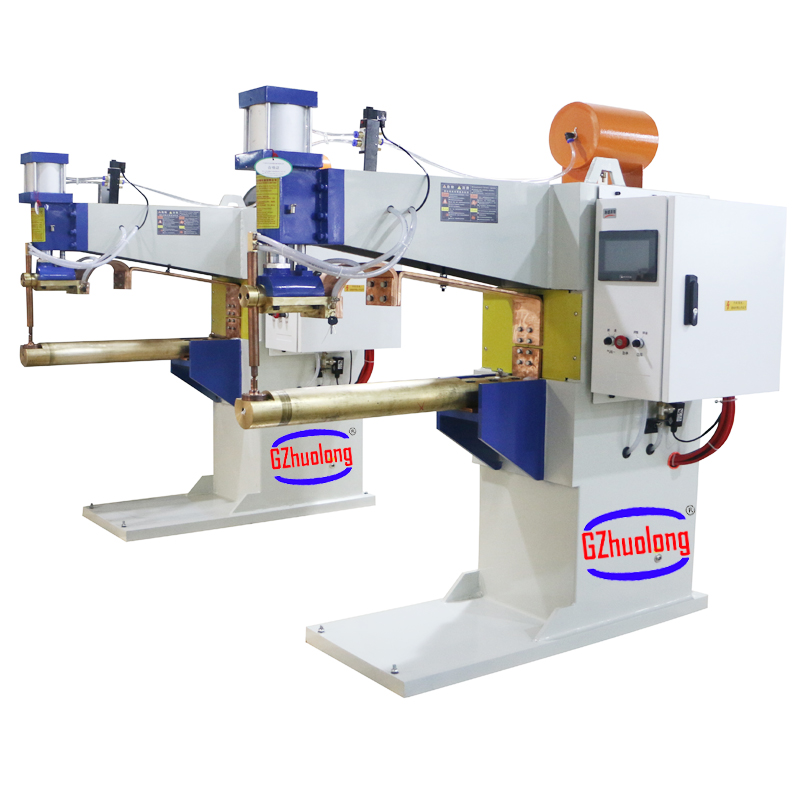
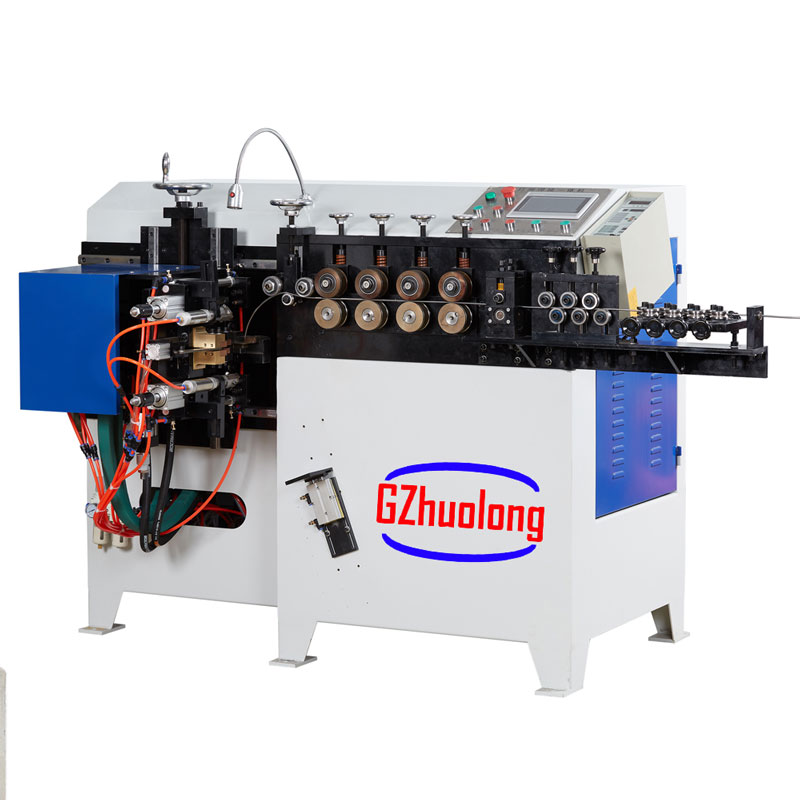
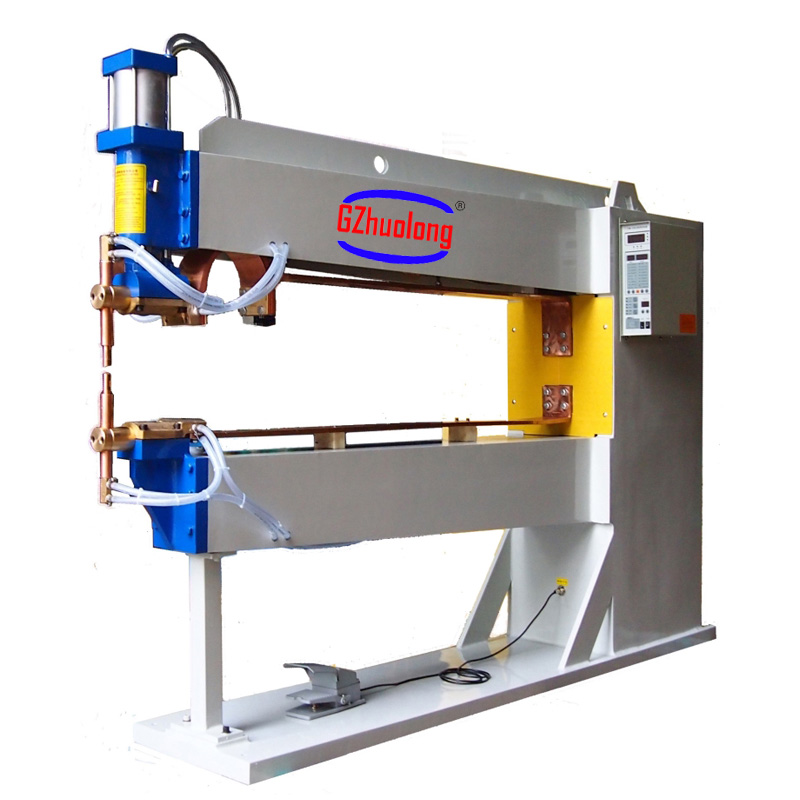
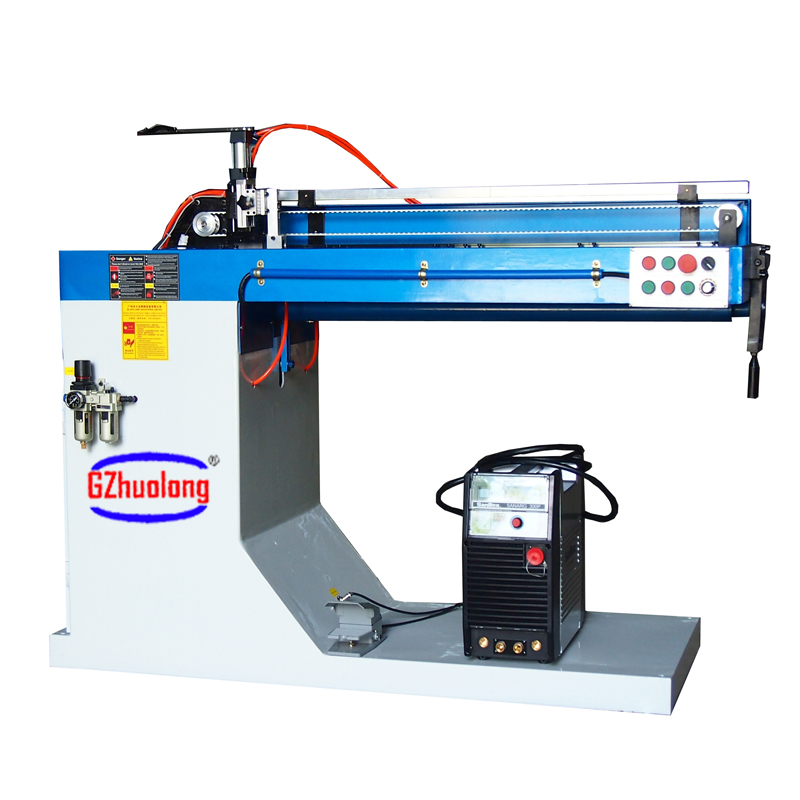
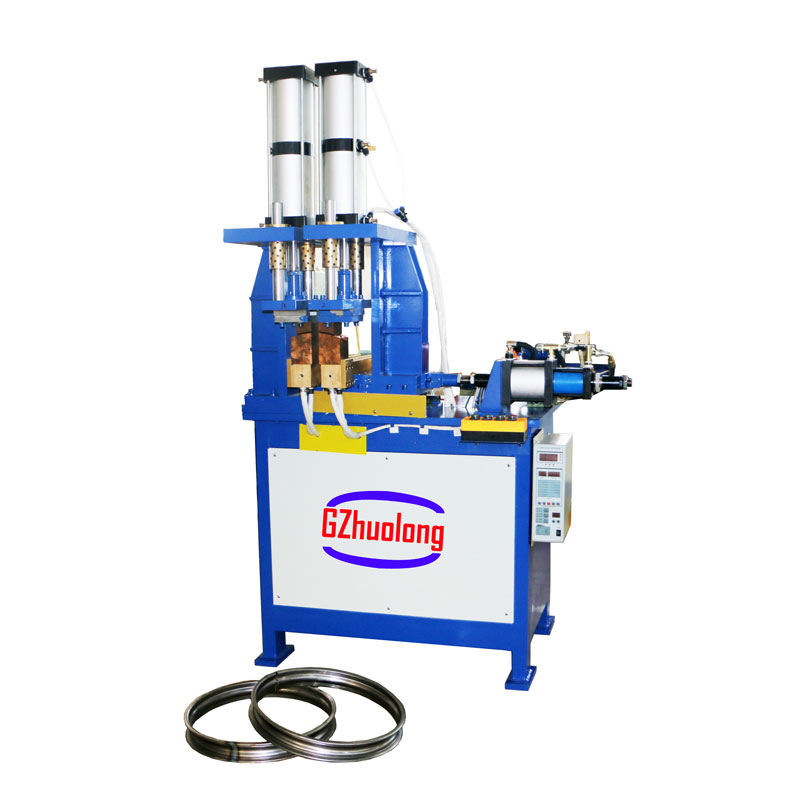
Induction Hardening Machine
Hardening is an important process in metalworking that can significantly increase the hardness and wear resistance of metal parts. Traditional hardening methods, for example using gas or oil furnaces, have their disadvantages: uneven heating, high time and energy costs, and difficulty in controlling the process. Induction hardening offers an elegant solution to these problems by harnessing the power of electromagnetic induction.
What is induction hardening?
Induction hardening is a method of heat treatment of metals based on the principle of electromagnetic induction. Imagine a coil with electric current: an alternating magnetic field is formed around it. If a metal piece is placed inside this coil, eddy currents will be induced in the metal. These currents, encountering metal resistance, convert electrical energy into thermal energy, heating the part to the required temperature for hardening. The advantage of this method is high heating rate, localized action and precise temperature control. This allows you to harden only the necessary areas of the part, leaving the remaining areas without changing the structure.
Advantages of induction hardening over traditional methods
Compared to traditional methods, induction hardening offers a number of undeniable advantages. Firstly, it is much faster. Heating and cooling occur in a matter of seconds, which speeds up the entire processing process. Secondly, induction heating allows for high precision and selectivity. It is possible to harden only certain areas of the part, which is especially important for complex geometric shapes. Thirdly, this method is more energy efficient and environmentally friendly, since heat loss is minimal. Finally, it provides higher quality hardening, thanks to uniform heating and the ability to precisely control process parameters.
Conclusion
Induction hardening machine is a modern and efficient equipment that significantly improves the process of heat treatment of metals. Its advantages in speed, precision, energy efficiency and environmental friendliness make it an indispensable tool in many industries, from automotive to tool manufacturing. The constant development of induction hardening technologies makes it possible to expand its capabilities and apply it to increasingly complex tasks.