Steel Induction Heating Machine
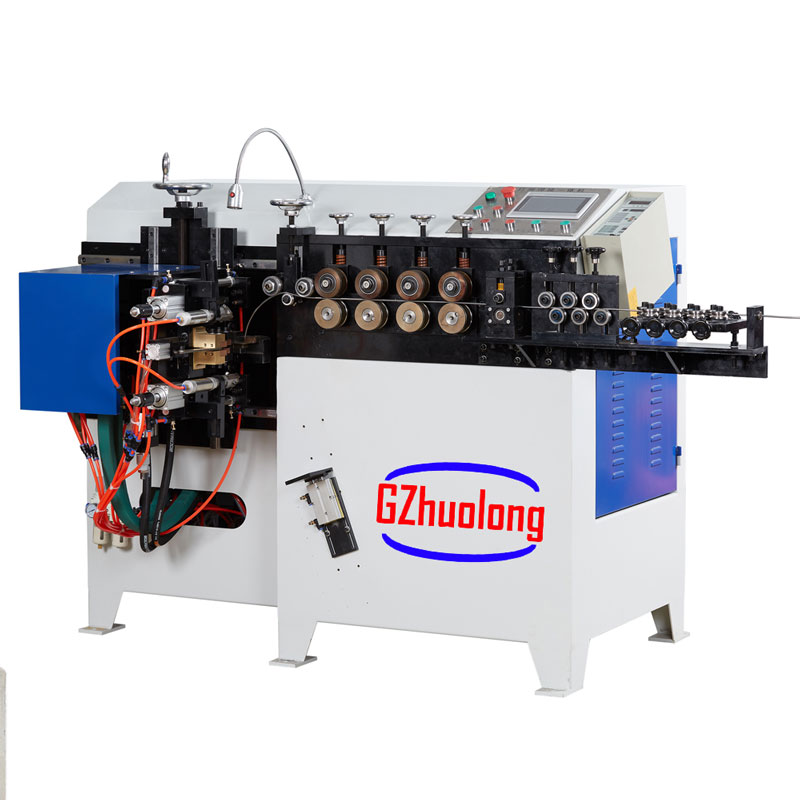
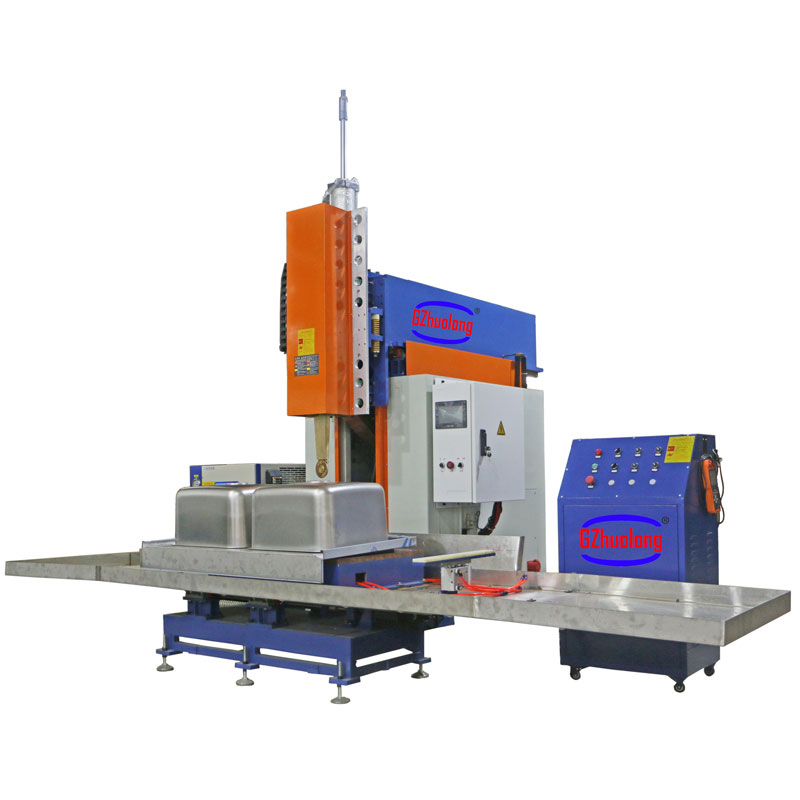
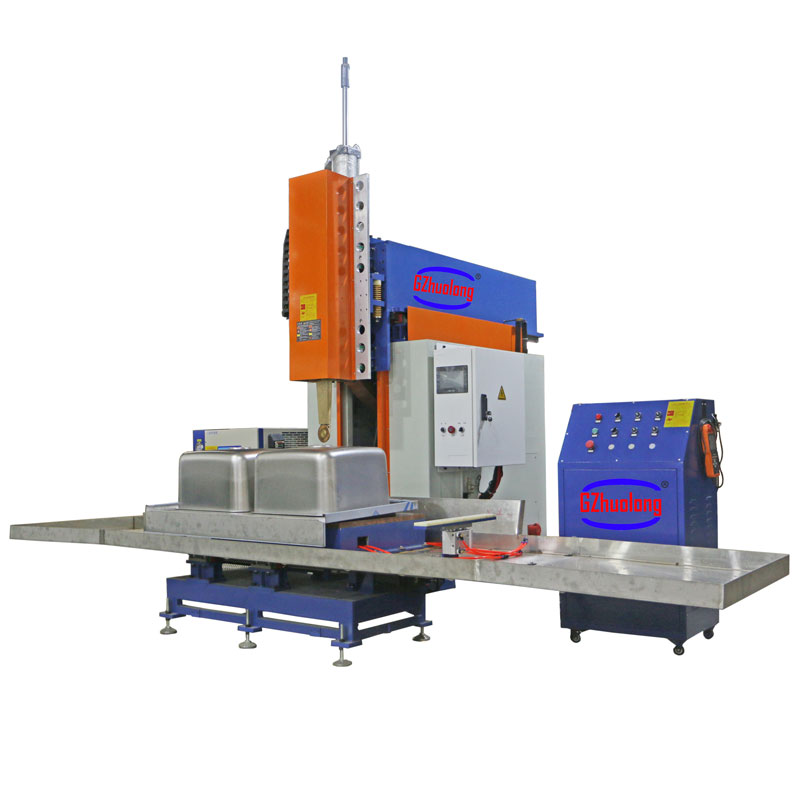
Induction heating is a technology that sounds complicated, but is actually quite straightforward. Imagine an ordinary electric stove, but instead of a spiral, an electromagnetic field is used. This field is ?passing? through itself a high-frequency current, and this current, interacting with a metal object, heats it to the required temperature. It is on this principle that the operation of a steel induction heating machine is based. It looks like a durable steel unit, inside of which there is an inductor - a coil that generates this very electromagnetic field.
Advantages of induction heating
Compared to traditional heating methods such as gas burners or electric ovens, induction heating has a number of significant advantages. Firstly, it is highly efficient. Almost all energy is converted into heat, minimizing losses. Secondly, the heating process is very fast and easy to control. You can precisely set the required temperature and maintain it throughout the entire process. Thirdly, induction heating is more environmentally friendly, as it does not produce harmful emissions into the atmosphere. This is especially important in our time, when concern for the environment comes to the fore. And finally, this method ensures uniform heating of the metal product, eliminating overheating in some places and insufficient heating in others.
Application in industry and everyday life
Steel induction heating machines have found wide application in various industries. They are used in metallurgy to heat workpieces before processing, in blacksmithing to heat metal before forging, and in mechanical engineering for heat treatment of parts. More compact and less powerful options are used in everyday life, for example, for cooking in induction hobs. This indicates the high versatility and adaptability of induction heating technology to a variety of tasks. Despite the initial investment, the energy and time savings make induction machines a worthwhile investment in the long run.