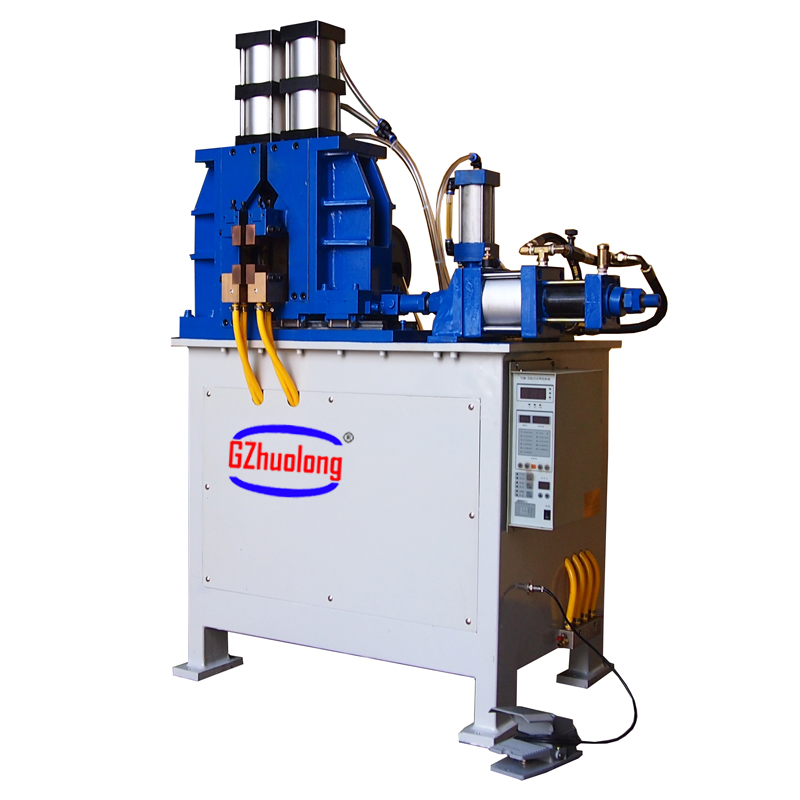
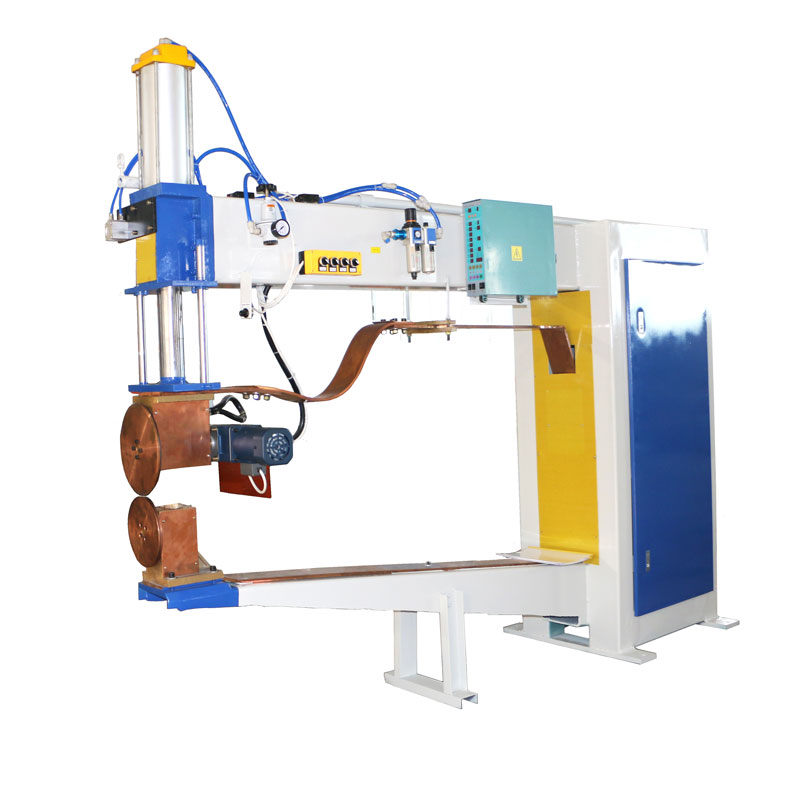
Robotic arm: a new generation welder in a factory
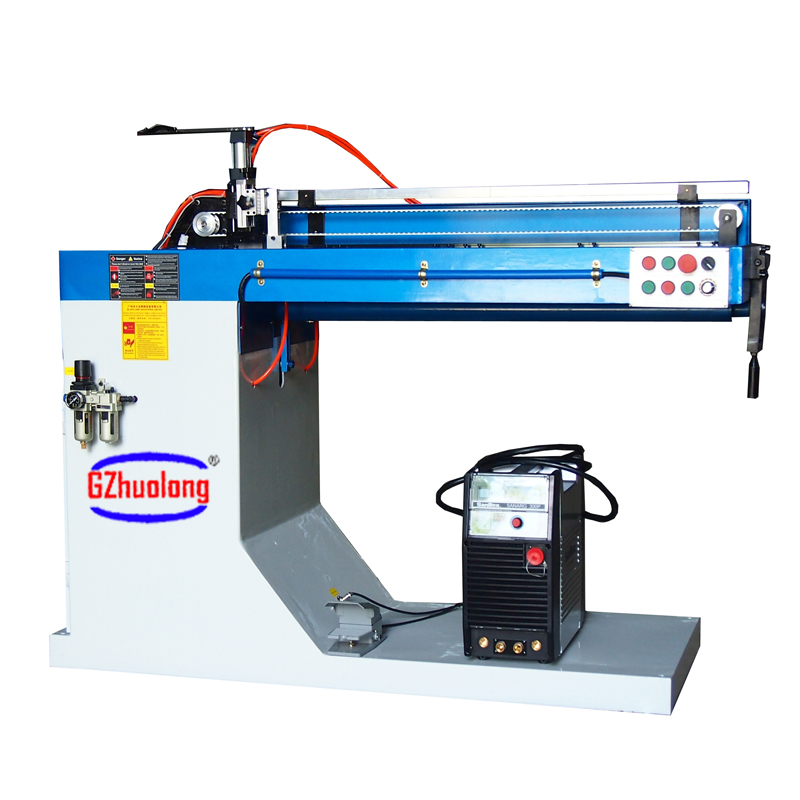
Factories of the future are not only conveyors and machines, but also smart assistants capable of performing complex and dangerous work. One of these assistants is a robotic manipulator, which is actively being introduced into welding production. These steel ?hands? not only increase productivity, but also significantly improve welding quality, creating safer working conditions for people.
Benefits of automated welding
Robotic welding is primarily about high speed and accuracy. The robot does not get tired, does not get distracted and performs welds with amazing repeatability. This eliminates the human factor, which can lead to errors and defects. Thanks to its programmability, the robotic arm easily adapts to different parts and types of welding, making it a versatile tool for any modern factory. Moreover, the robot is able to work in hard-to-reach places and with hazardous materials, ensuring the safety of personnel.
Safety and efficiency in production
Working with welding is always associated with risks: burns, electric shock, harmful fumes. Robotic welding reduces these risks to a minimum, leaving only process control and robot programming to the person. This not only improves safety, but also allows workers to be retrained for higher-paying and creative tasks associated with operating and maintaining robots. As a result, the plant becomes more efficient and competitive.
Prospects for the development of robot welders
Robotic manipulators are constantly being improved. New control algorithms, sensors are being developed that allow the robot to adapt to changes in the geometry of parts, and artificial intelligence systems that are capable of independently planning and adjusting welding trajectories. In the future, we can expect to see even more versatile and intelligent welding robots that will completely change the face of industrial manufacturing, making it safer, more efficient and more productive.