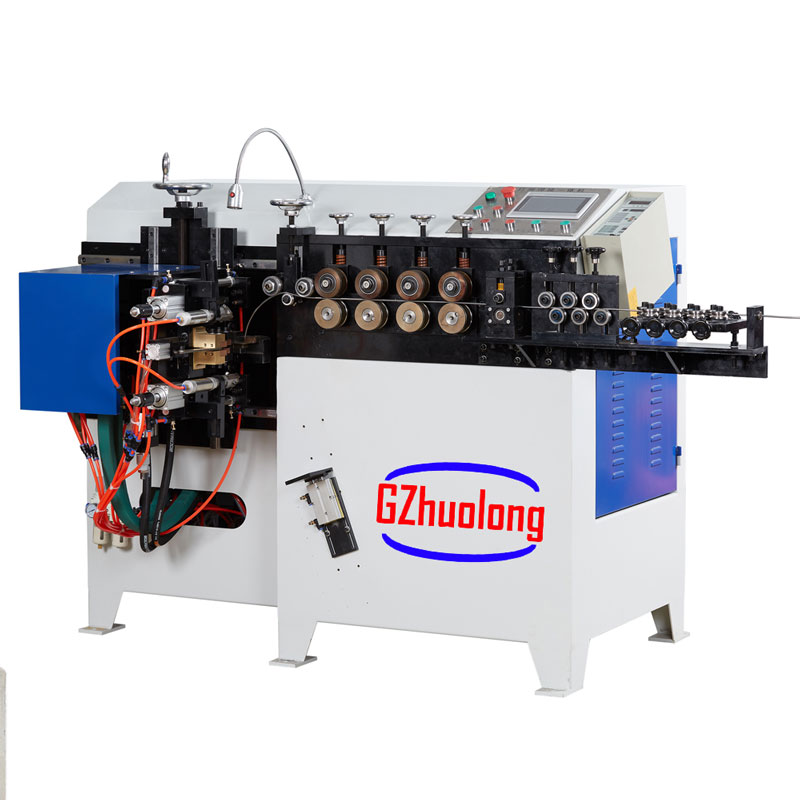
Copper and aluminum pipes for resistance butt welding
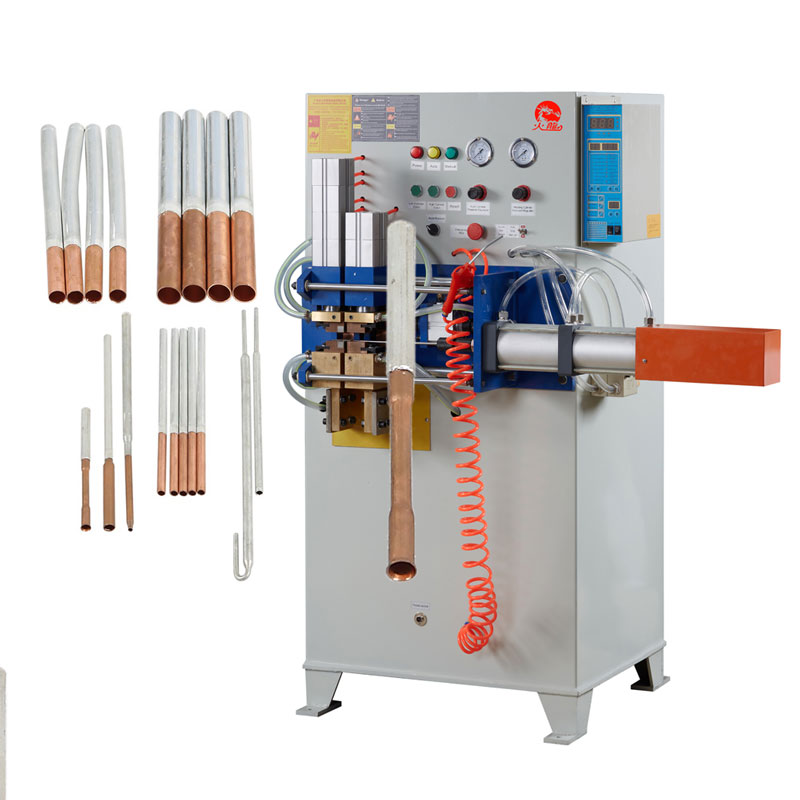
Resistance butt welding is an effective method of joining metal pipes, allowing you to obtain a strong and tight seam. However, not all metals are equally amenable to this process. Copper and aluminum, being widely used materials in various industries, require a special approach when welding. Let's consider the features of using copper and aluminum pipes in resistance butt welding.
Features of welding copper pipes
Copper is a ductile metal and a good conductor of heat. This creates both advantages and challenges when welding. On the one hand, high thermal conductivity allows you to quickly heat the welding site to the required temperature, which reduces the process time. On the other hand, rapid heat distribution can lead to overheating and melting of adjacent sections of the pipe. Therefore, precise control of the welding current and optimal holding time are necessary for welding copper pipes. It is also important to use high-quality electrodes and properly prepare the edges of the pipes, ensuring a tight fit. Improper preparation can result in lack of fusion or porosity in the weld.
Features of welding aluminum pipes
Aluminum, unlike copper, has lower thermal conductivity and a tendency to form an oxide film on the surface. This film prevents a high-quality welded joint, so before welding it is necessary to thoroughly clean the surfaces of the pipes from oxides. This is usually accomplished by mechanical processing or chemical etching. In addition, the low thermal conductivity of aluminum requires a longer heating time to welding temperature. To successfully weld aluminum pipes, a more powerful welding machine and careful control of process parameters are required. Failure to comply with the technological regime can lead to the formation of a brittle and weak seam.
Selection of material and technology
The choice between copper and aluminum pipes depends on the specific operating conditions and requirements for the welded joint. Copper pipes are preferred in applications where high thermal conductivity and corrosion resistance are required. Aluminum pipes are lighter and more economical, but require more careful preparation and specific welding technology. In any case, to obtain a high-quality weld, it is necessary to use modern welding equipment, follow technological recommendations and employ qualified personnel.