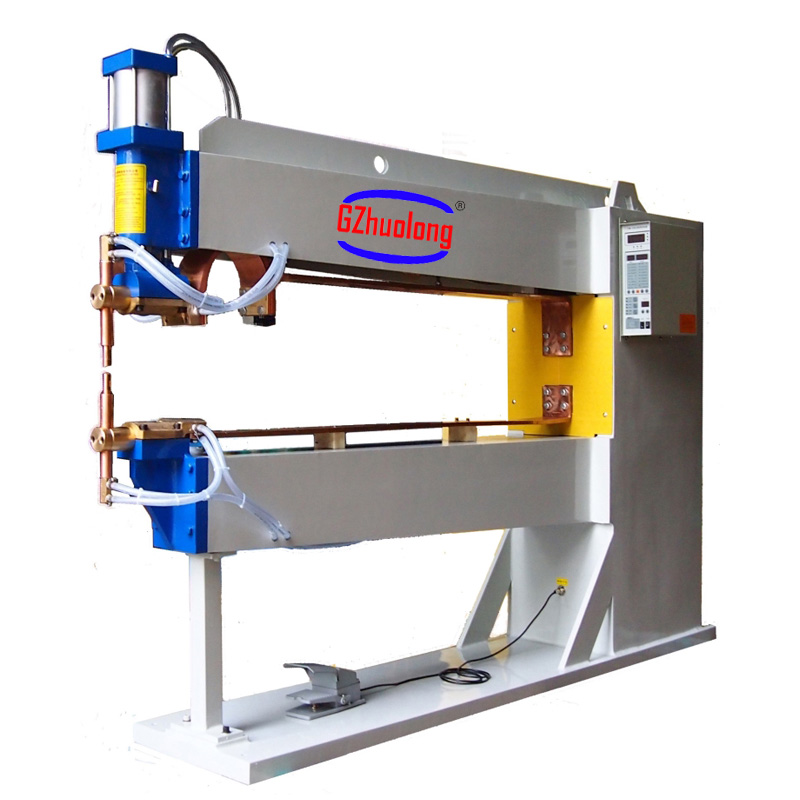
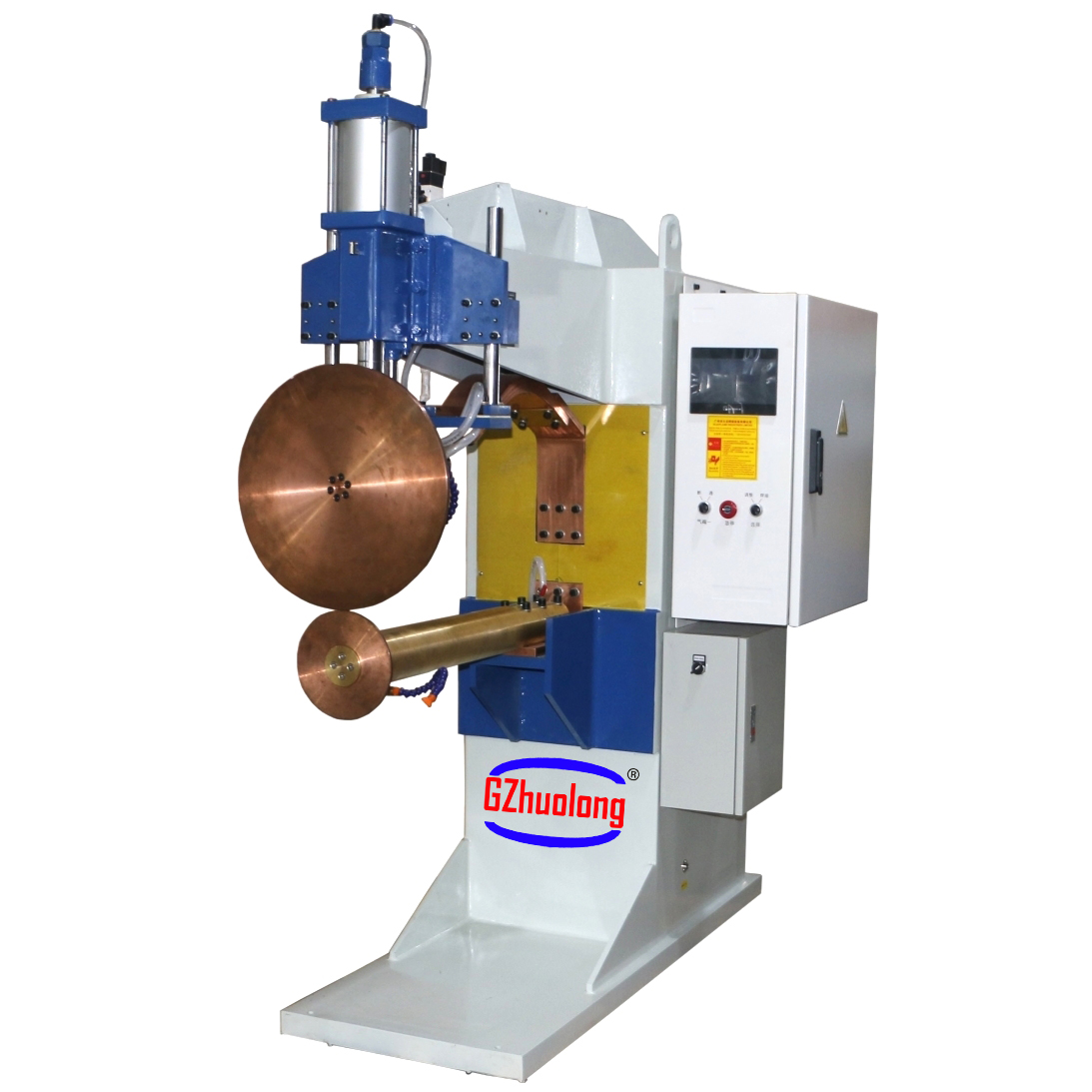
MT resistance spot welding machine
Resistance spot welding is a technology that allows you to firmly connect metal parts by briefly heating and compressing at the point of contact. Imagine two sheets of metal that need to be joined without welds, as a single unit. This is where the MT resistance spot welding machine comes to the rescue. It's like giant tongs squeezing the metal with tremendous force while simultaneously passing a powerful electric current through it. This current heats the metal to a state of melting at the point of contact, and then, under the pressure of the electrodes, the metal solidifies, forming a strong connection - a spot weld.
Design and principle of operation
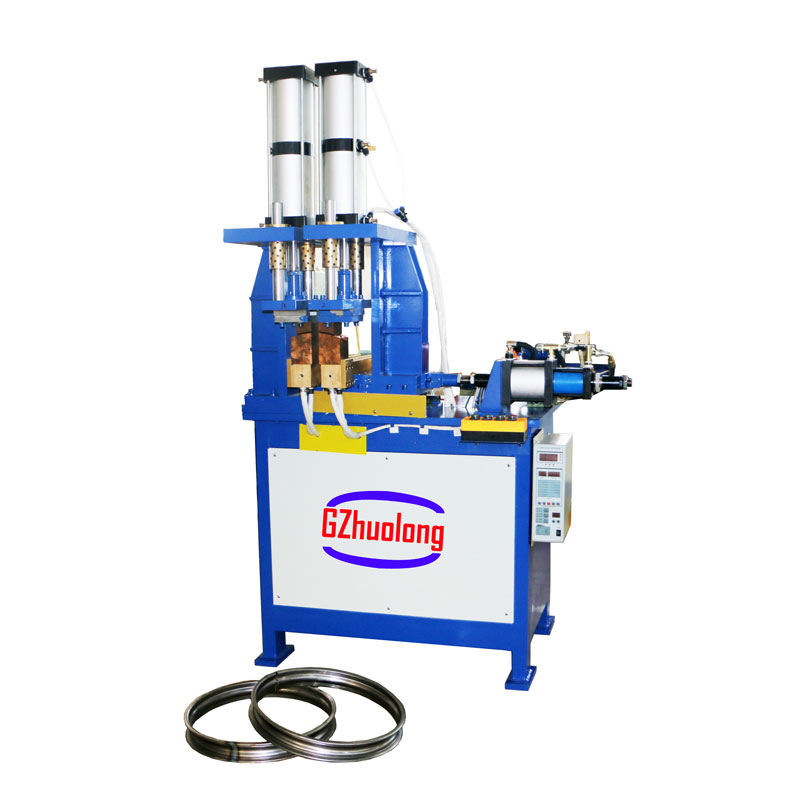
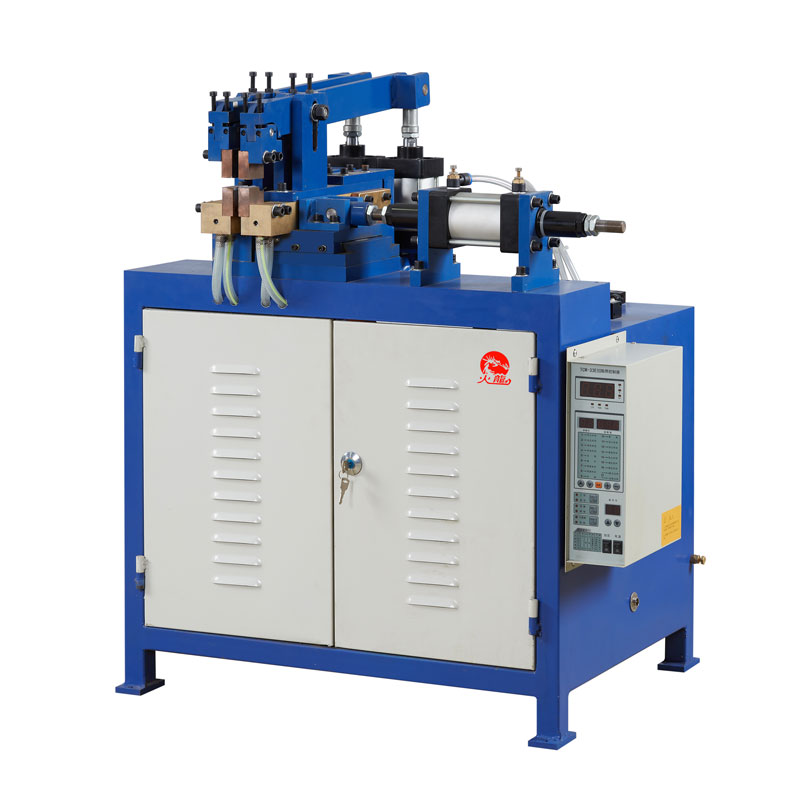
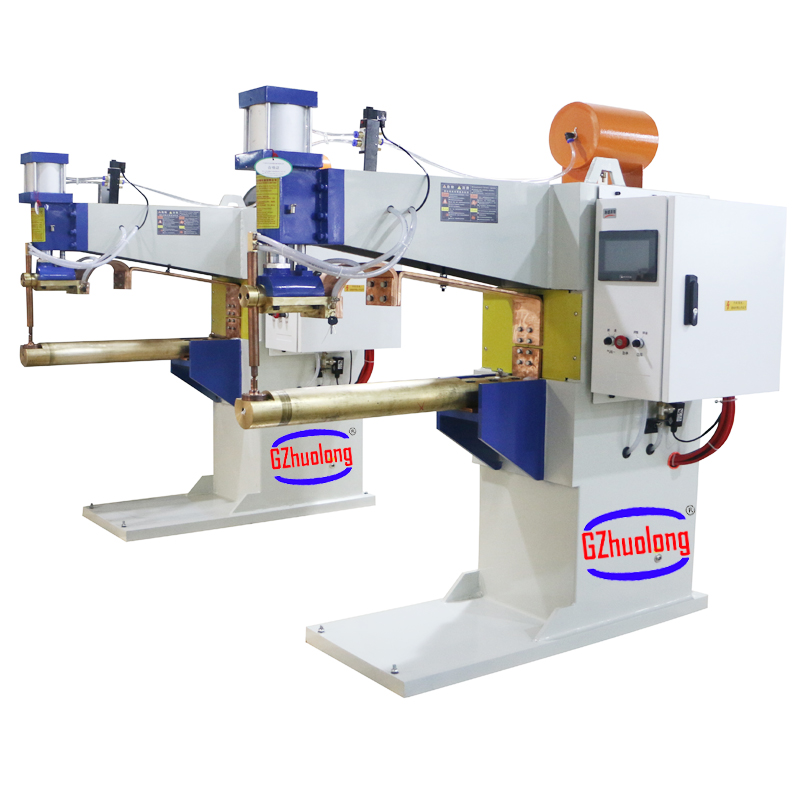
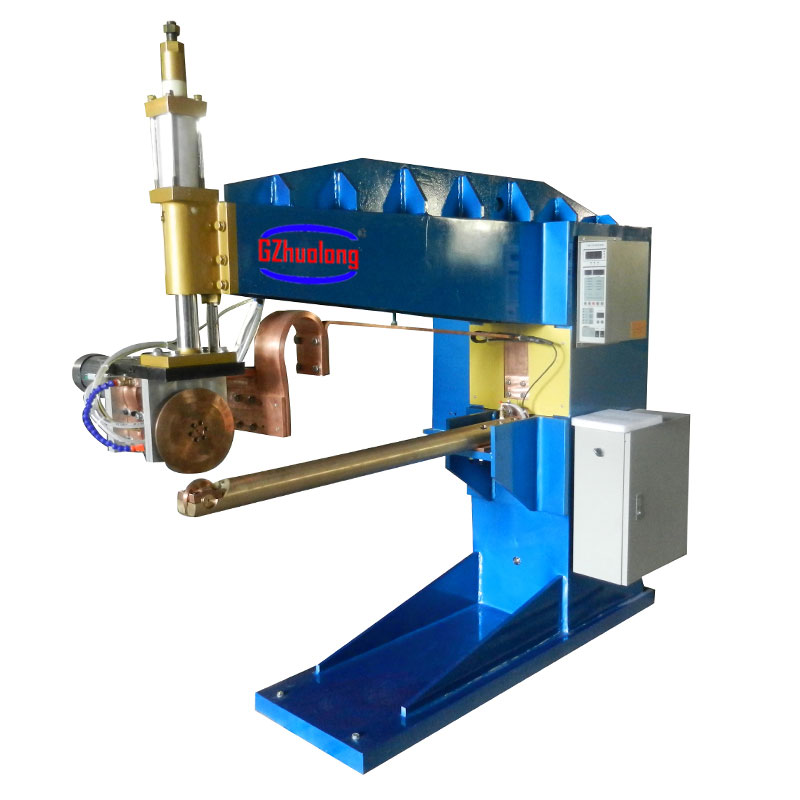
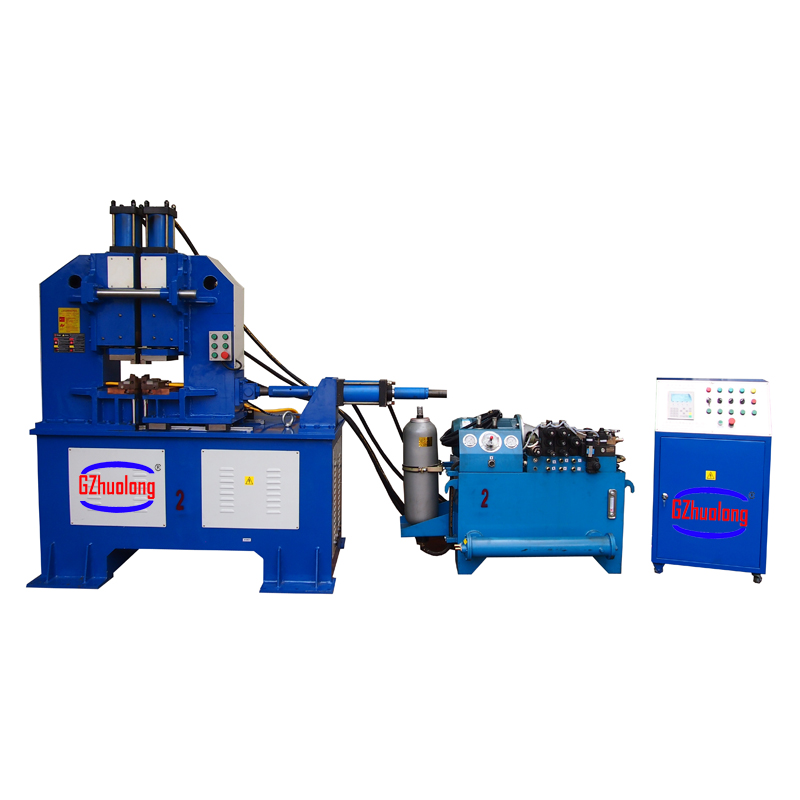
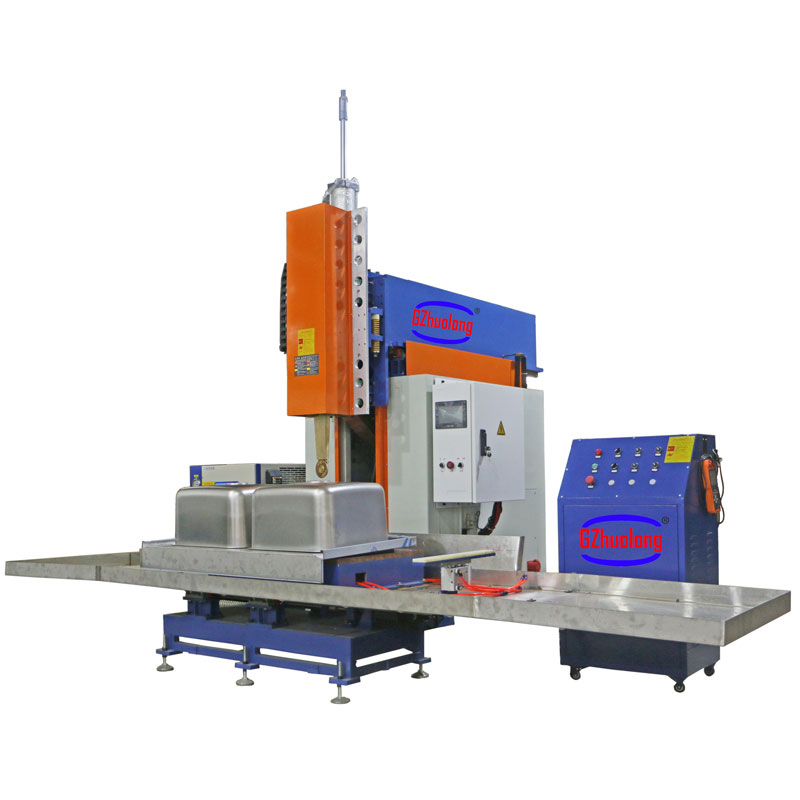
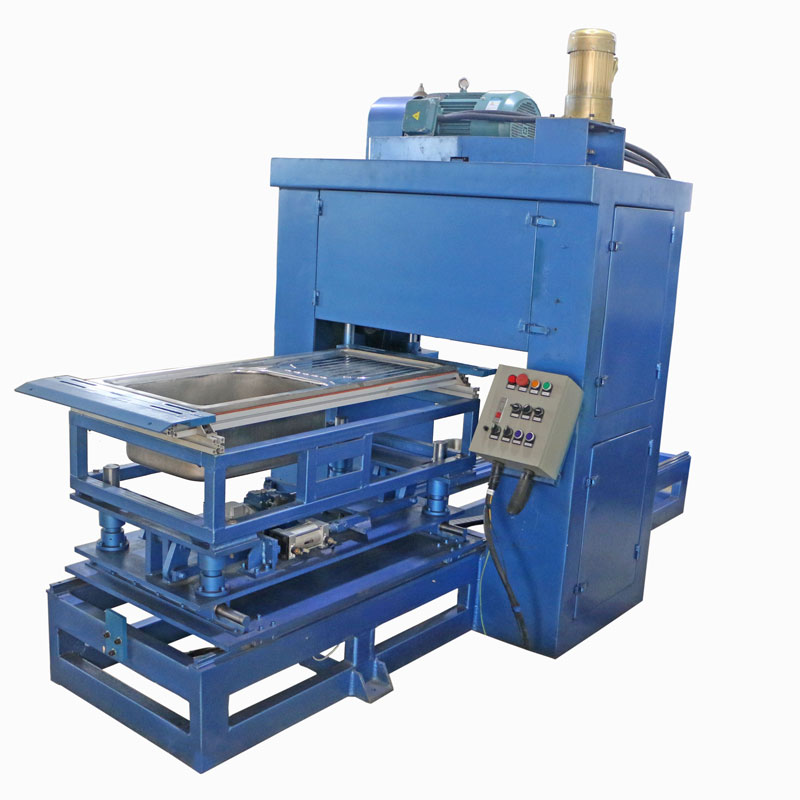
The MT machine consists of several main elements. The most important ones are a powerful transformer that converts mains voltage into high current, as well as electrodes that press and heat the parts being welded. The durable mechanism provides the necessary compression force, and the control system allows you to accurately set welding parameters: time, current and pressure. The entire process takes place under strict control, ensuring high quality and repeatable welds. Working with such a machine is like operating a high-precision instrument, where every part plays an important role in creating a reliable connection.
Benefits and Applications
Resistance spot welding performed by an MT machine has a number of advantages. It provides high welding speed, reliable connection and minimal distortion of the parts being welded. This method is widely used in various industries, from the automotive industry, where car bodies are welded using MT, to the production of household appliances and electronics. MT is indispensable where welding of thin sheet metal or creation of high-strength joints is required. Unlike other welding methods, it is characterized by high productivity and relatively low cost. The MT machine is a faithful assistant in the production of high-quality and reliable products.