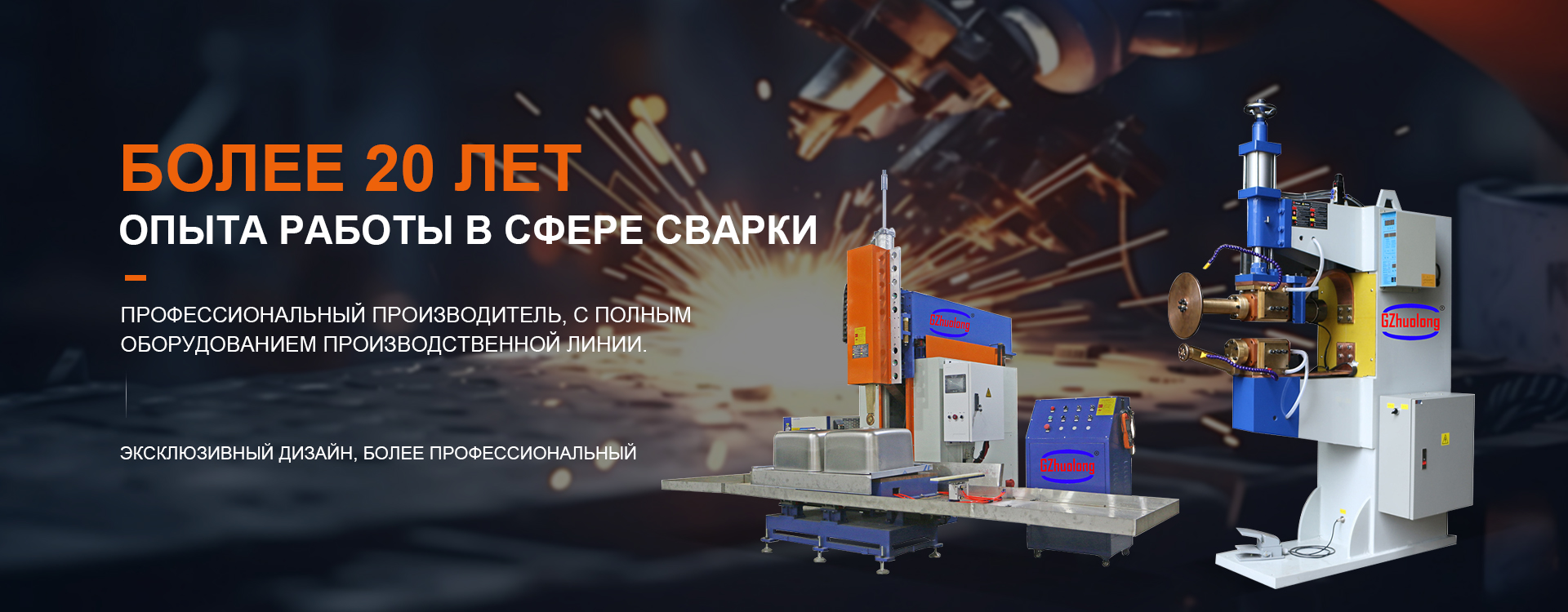
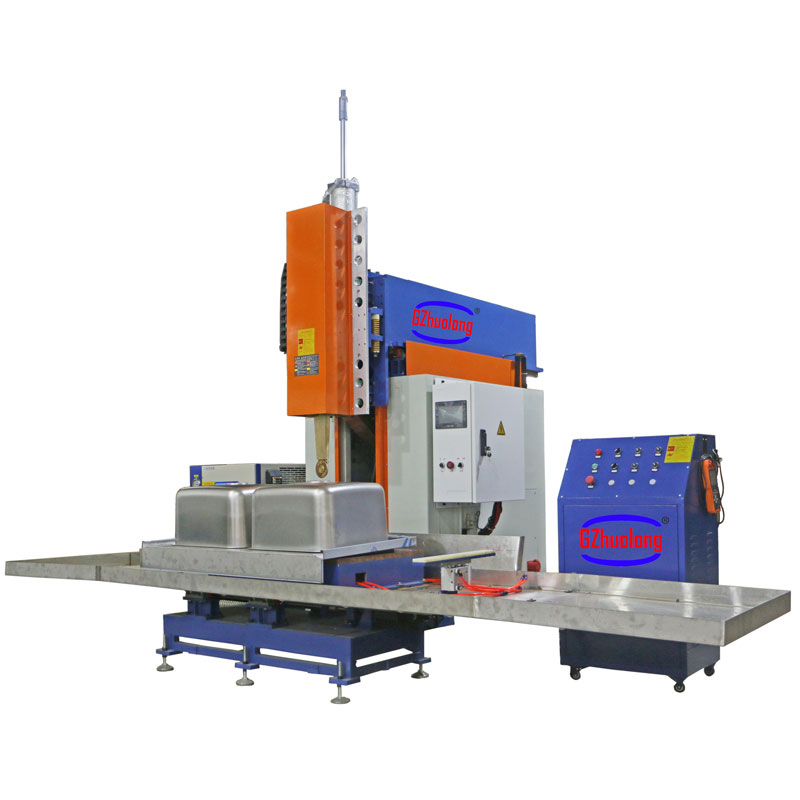
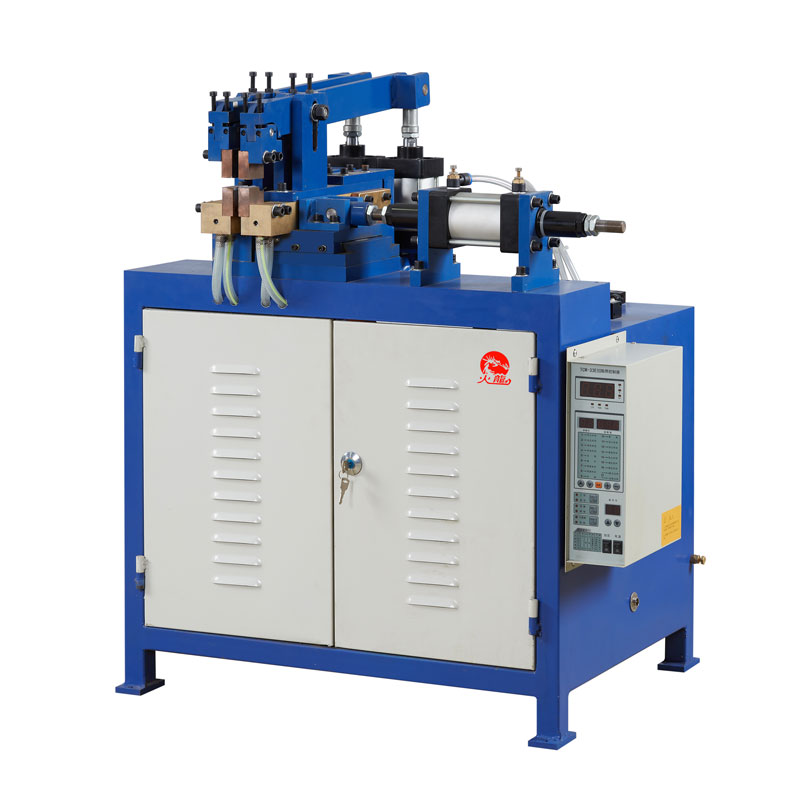
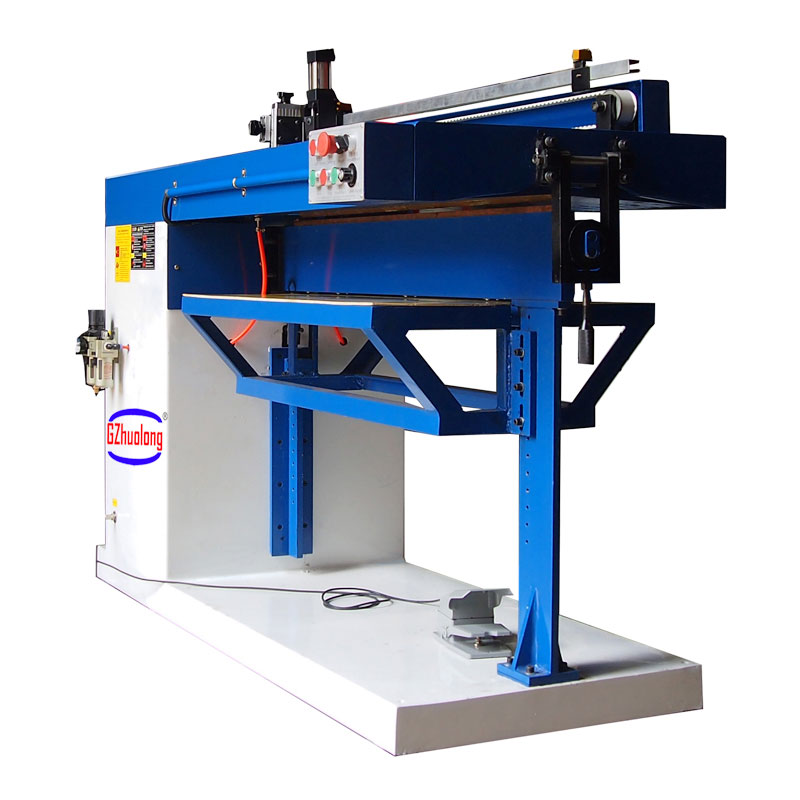
Buy an industrial welding robot: automation at the service of quality
The production automation market is constantly expanding, and industrial welding robots are becoming one of the most popular solutions. If you are thinking about purchasing such a robot for your enterprise, then this article will help you navigate the main points.
Choosing a model: taking into account production features
Before purchasing, you must clearly define the tasks that the robot must perform. Different models differ in lifting capacity, arm length, welding speed and type of welding processes used (MIG/MAG, TIG, arc welding). A small robot is perfect for working with small parts, and a powerful one for welding large structures. It is also important to take into account the specifics of your production: the type of materials being welded, the geometry of the welds and the required welding quality. Our specialists will help you choose the best model, taking into account your individual needs and budget. Do not hesitate to ask questions and clarify details - choosing the right robot is the key to its efficient operation and return on investment.
Integration into production: smooth transition to automation
Installing and setting up an industrial welding robot involves more than just plugging it into a power outlet. Proper integration into the existing production line is required. This includes programming the robot, setting welding parameters, training staff and ensuring safe operation. Many suppliers offer installation and commissioning services, as well as training for your employees. It is important to understand that successful integration is a complex process that requires careful planning and collaboration with the vendor. There is no need to rush - a smooth transition to automation will minimize risks and ensure efficient use of the robot.
Cost-effectiveness: return on investment
Purchasing an industrial welding robot is a significant investment, but it quickly pays for itself with a number of benefits. Robots provide high productivity, improve welding quality (due to process stability), reduce personnel costs and allow you to work in several shifts without interruptions. In addition, automation of welding processes improves occupational safety by reducing the risk of injury to workers. When calculating ROI, all factors must be considered, including robot cost, integration cost, maintenance costs, and savings achieved through productivity and quality improvements. In the long term, the use of welding robots brings significant economic benefits.