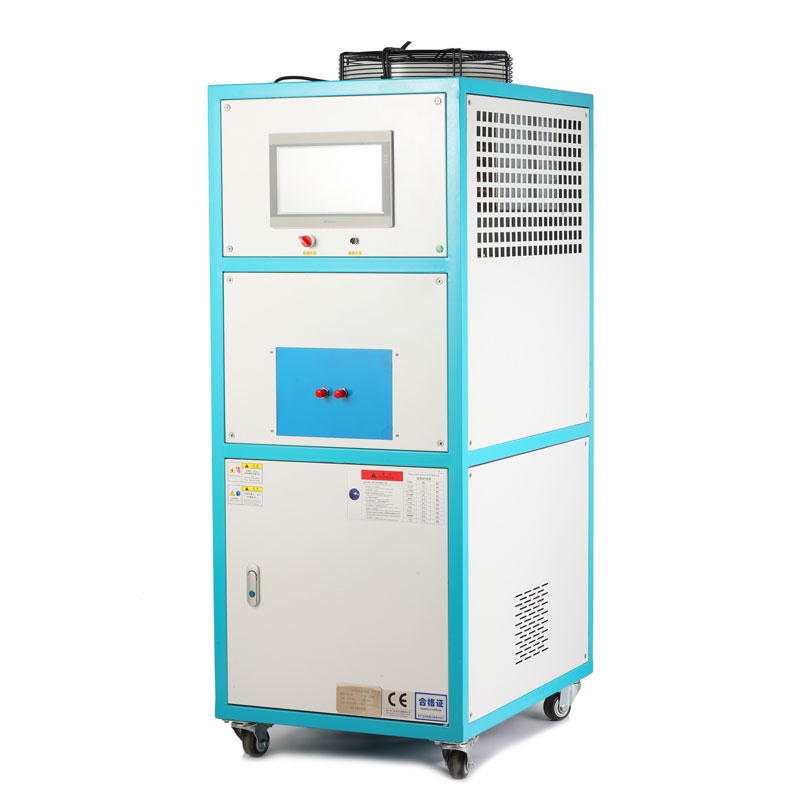
Induction Hardening Machine: A Revolution in Metal Processing
Hardening of metals, a process known for centuries, has undergone significant changes in the modern world. Today, high-tech methods such as induction hardening allow for unparalleled precision and efficiency. The induction hardening machine is the heart of this process, ensuring metal parts are heated quickly and evenly, which is critical to producing quality products.
Advantages of the induction method
Unlike traditional hardening methods such as gas or flame hardening, induction hardening uses an alternating electromagnetic field to heat the metal. This allows you to focus thermal energy on a specific area of the part, bypassing other areas. This selective heating eliminates overheating and deformation, allowing complex geometric shapes to be processed with high precision. In addition, the induction method significantly reduces hardening cycle times, increasing productivity and reducing overall costs. It is also more environmentally friendly since it does not use open flames or harmful gases.
Working principle of induction machine
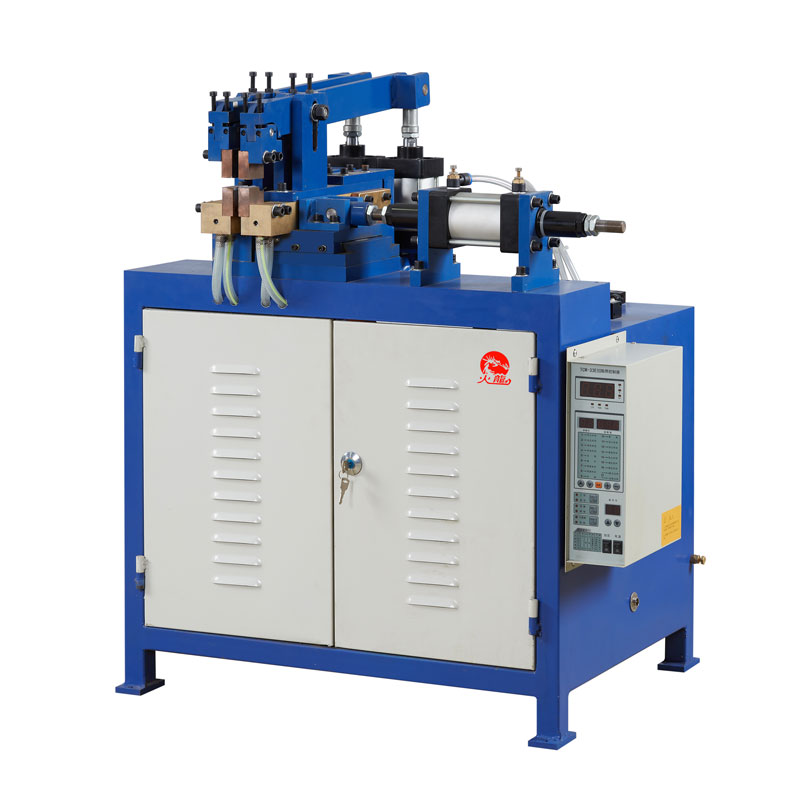
An induction machine consists of an inductor (coil), a high-frequency current generator and a cooling system. The generator creates high frequency alternating current that flows through the inductor. This creates an alternating magnetic field, which in turn induces eddy currents in the metal part being processed. Eddy currents heat the metal to the required temperature, after which the part is quickly cooled (quenching) in a special environment, for example, water or oil. All process parameters such as frequency, power and heating time are precisely controlled by the computer, ensuring stable and repeatable results.
Factory of the future: automation and precision
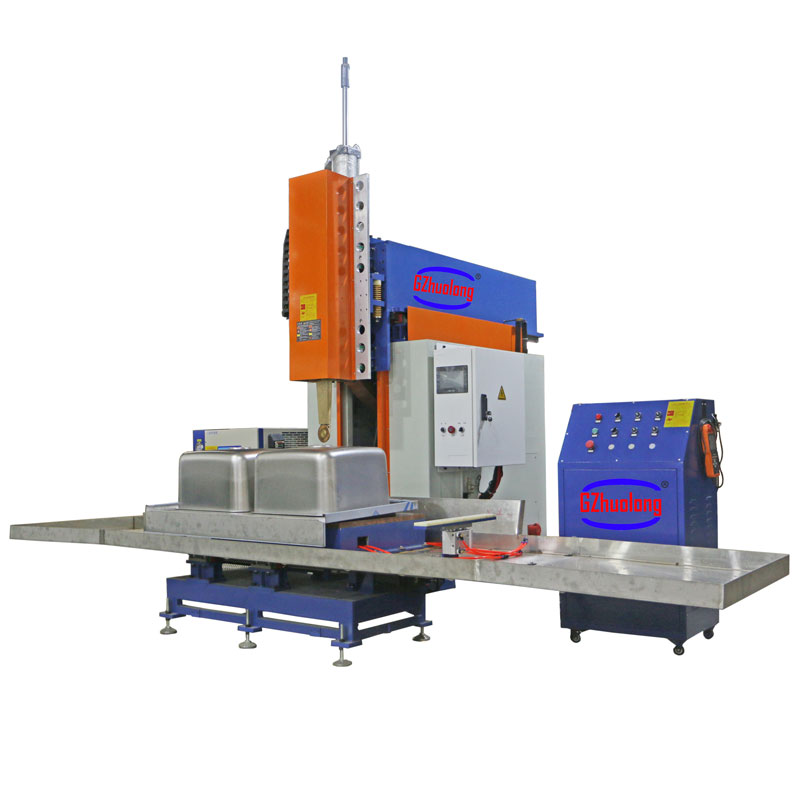
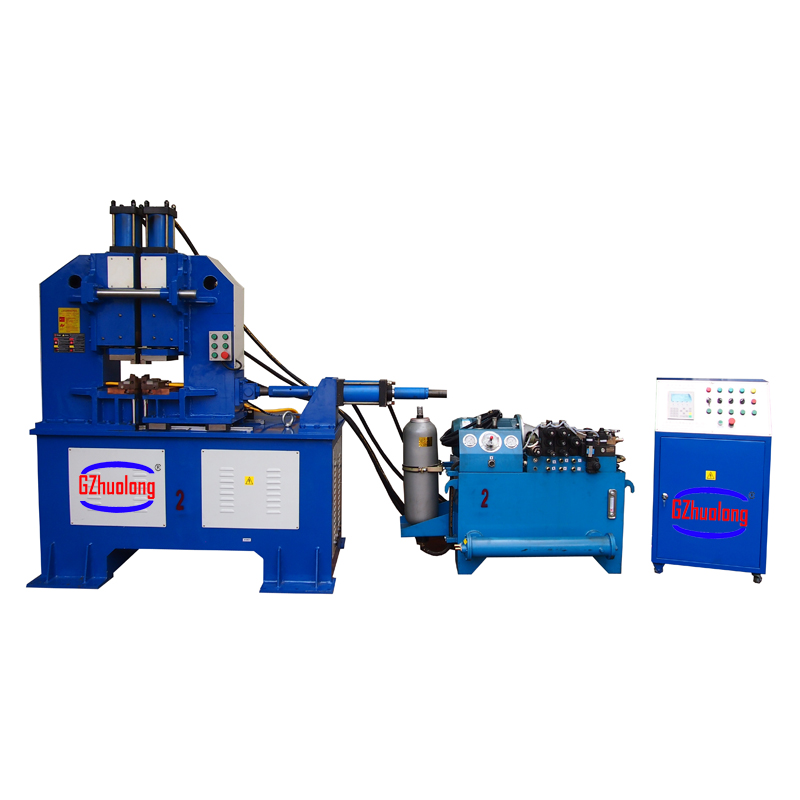
Induction hardening is not just a technology, it is the key to improving product quality and the competitiveness of enterprises. Modern induction machines are equipped with automatic control and monitoring systems that ensure high accuracy and repeatability of the process. This is especially important in mass production, where a large number of parts with the same characteristics must be processed. Integrating induction machines into automated lines can significantly improve plant productivity and reduce waste. Thus, the induction hardening machine is an important step towards creating a modern and highly efficient production.