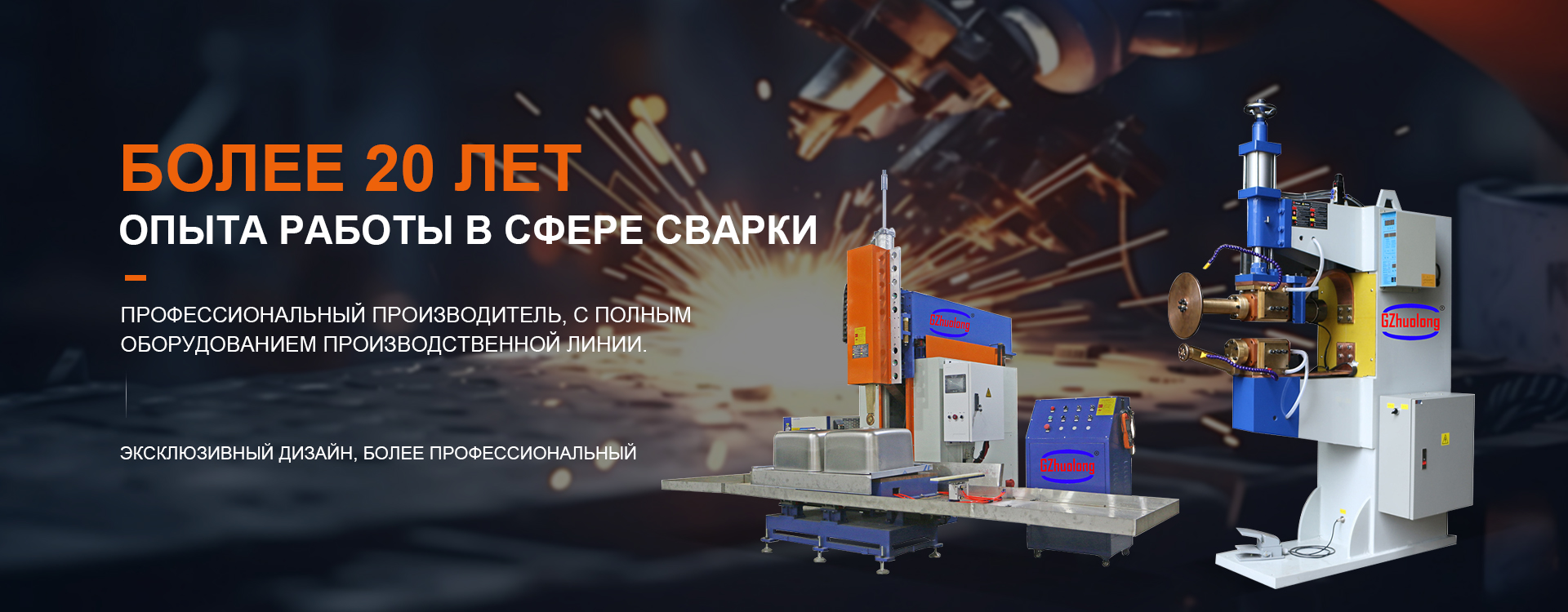
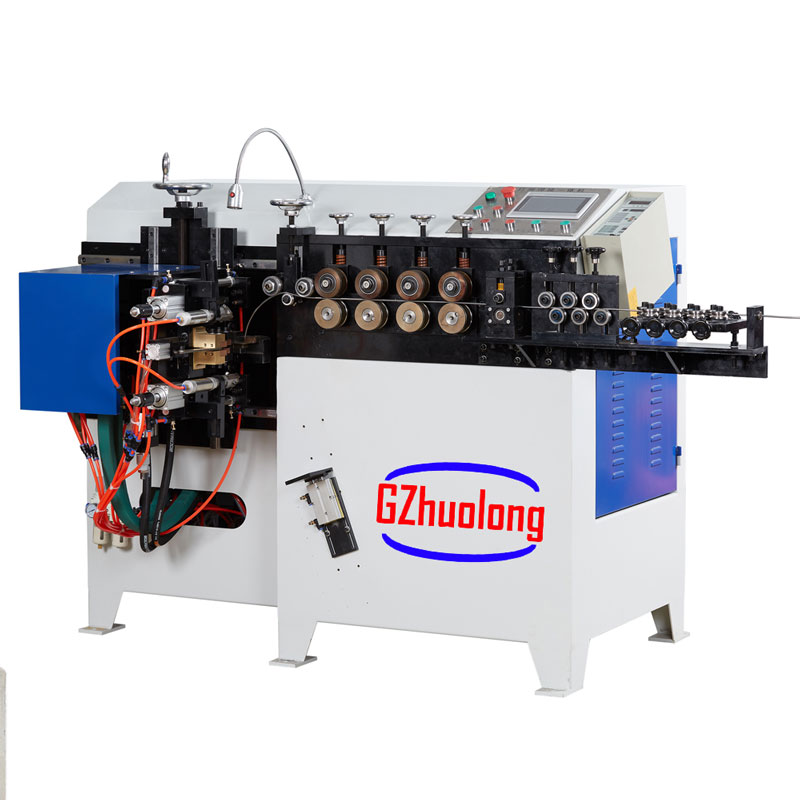
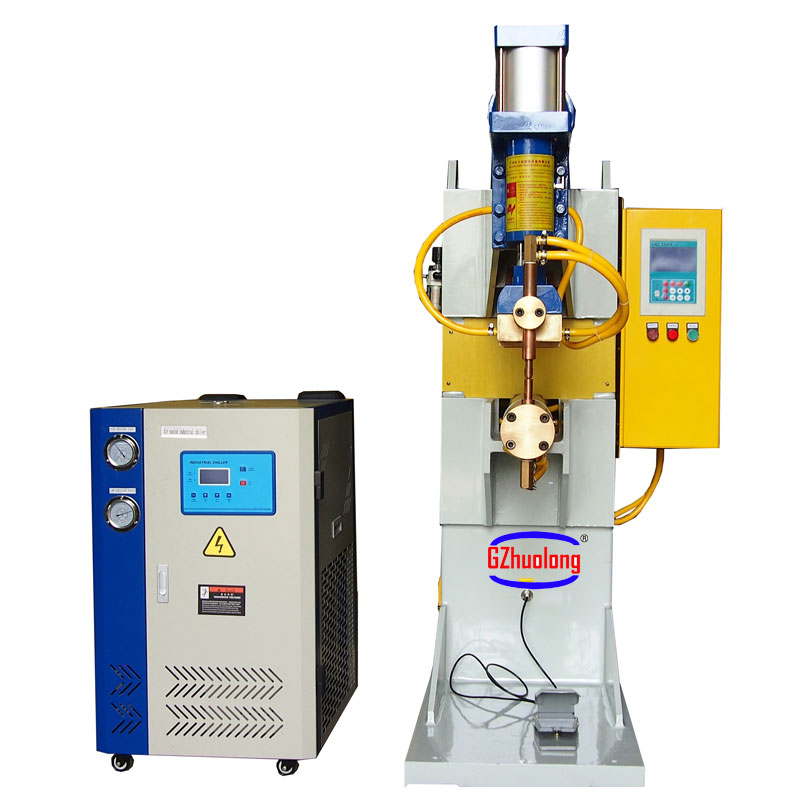
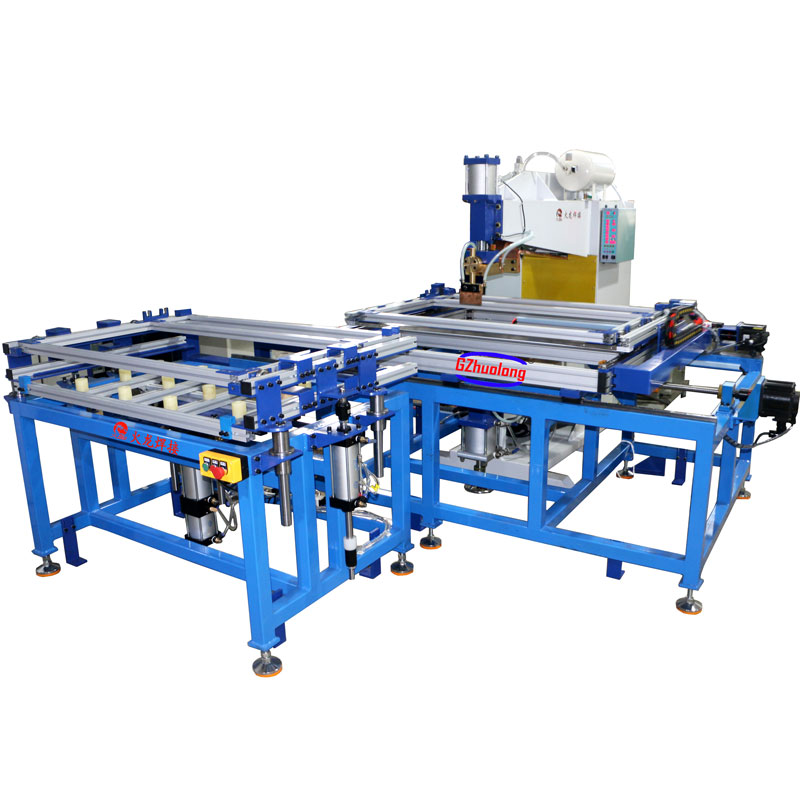
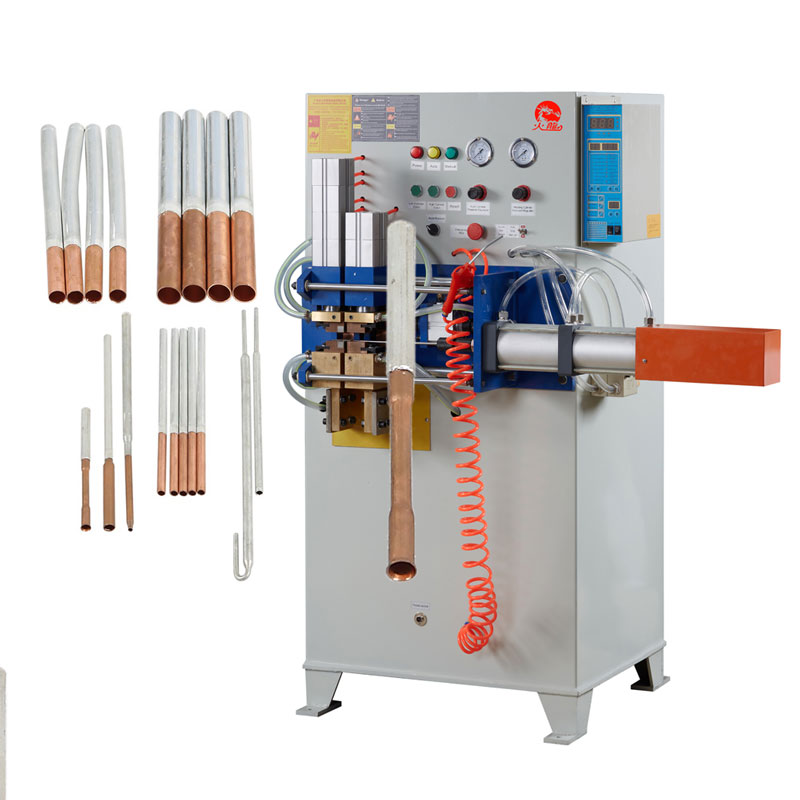
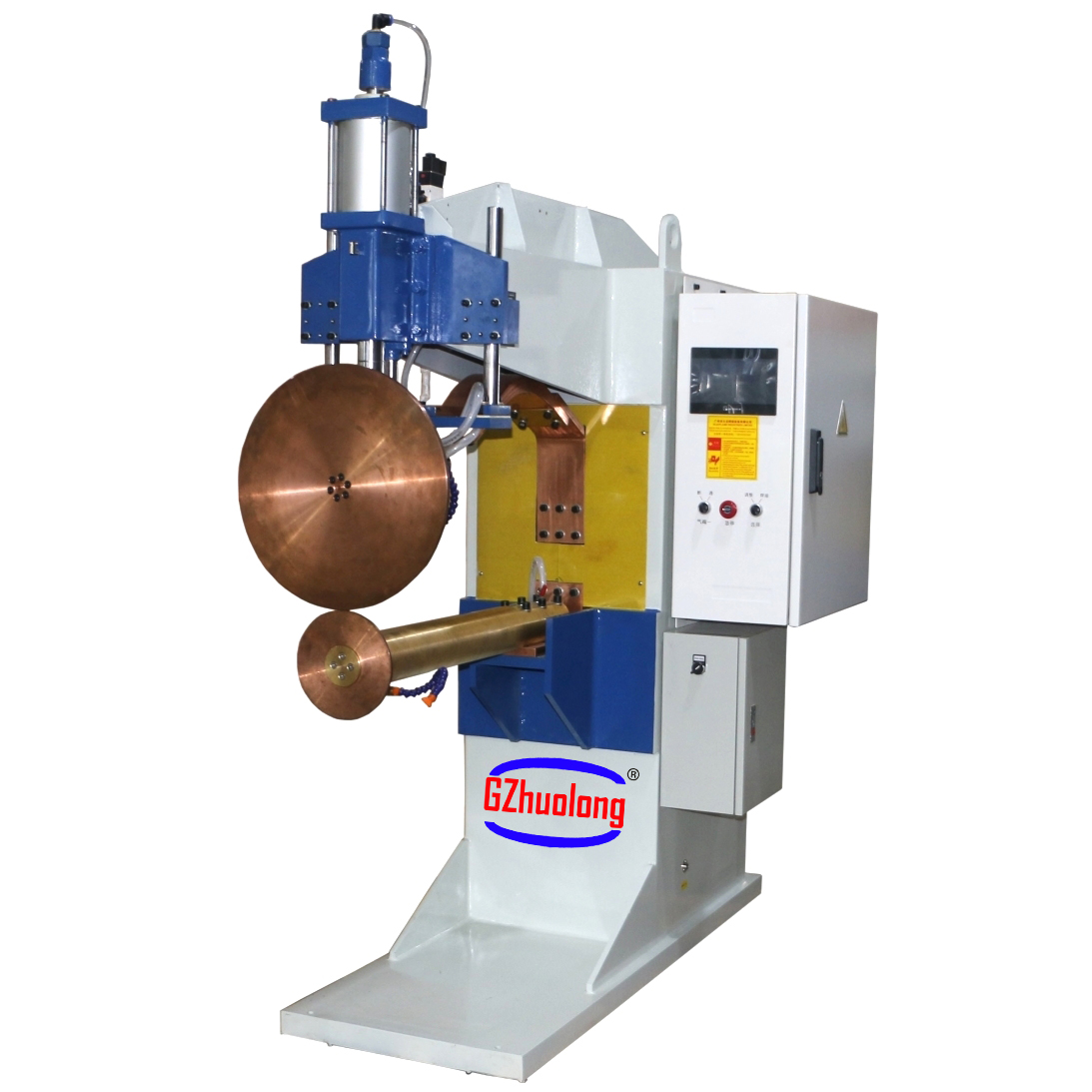
Hydraulic Roll Forming Machine: The Factory of the Future
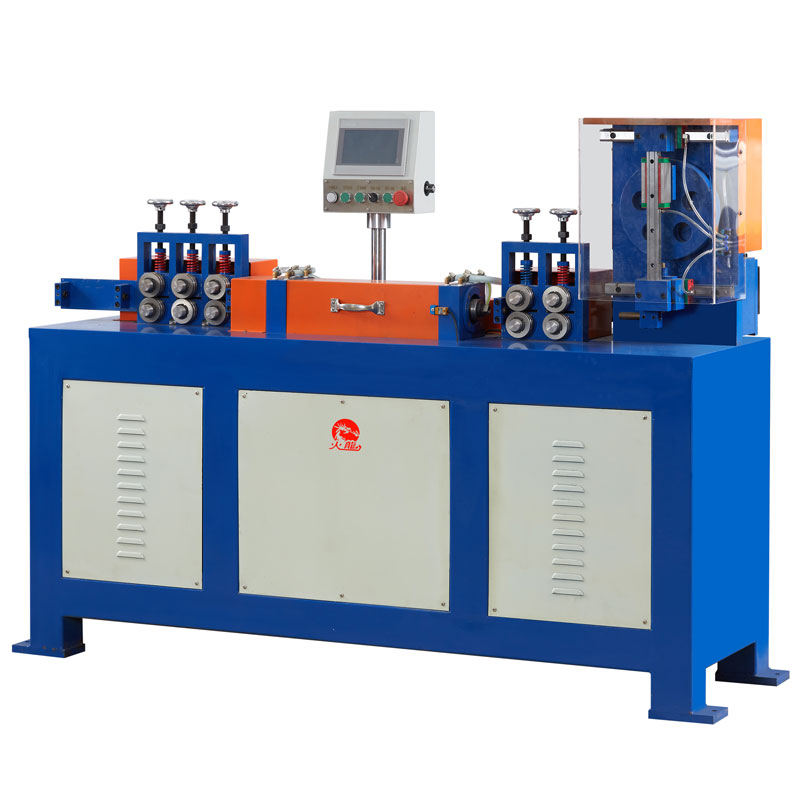
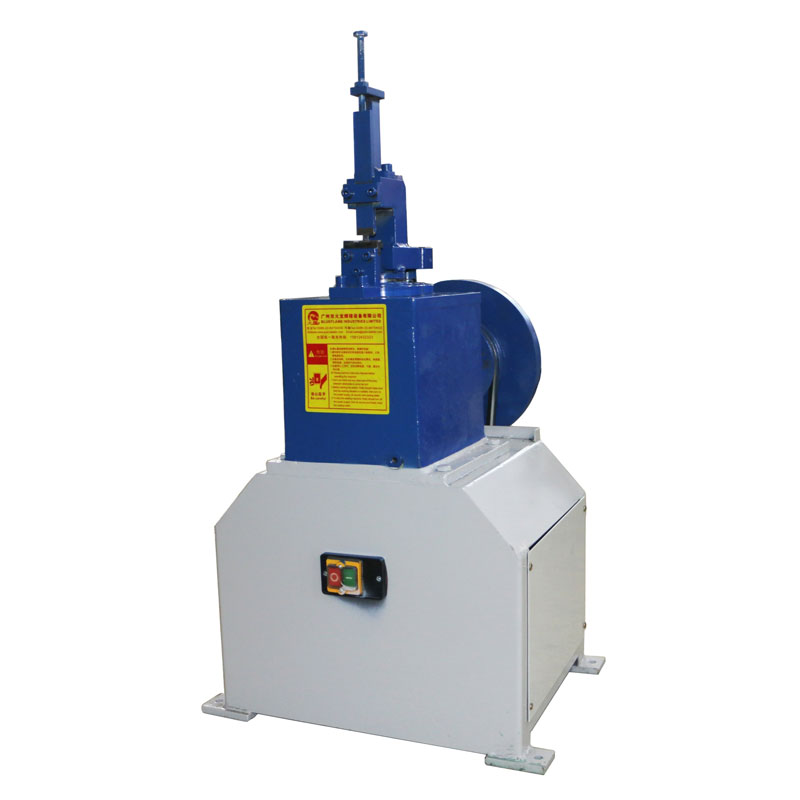
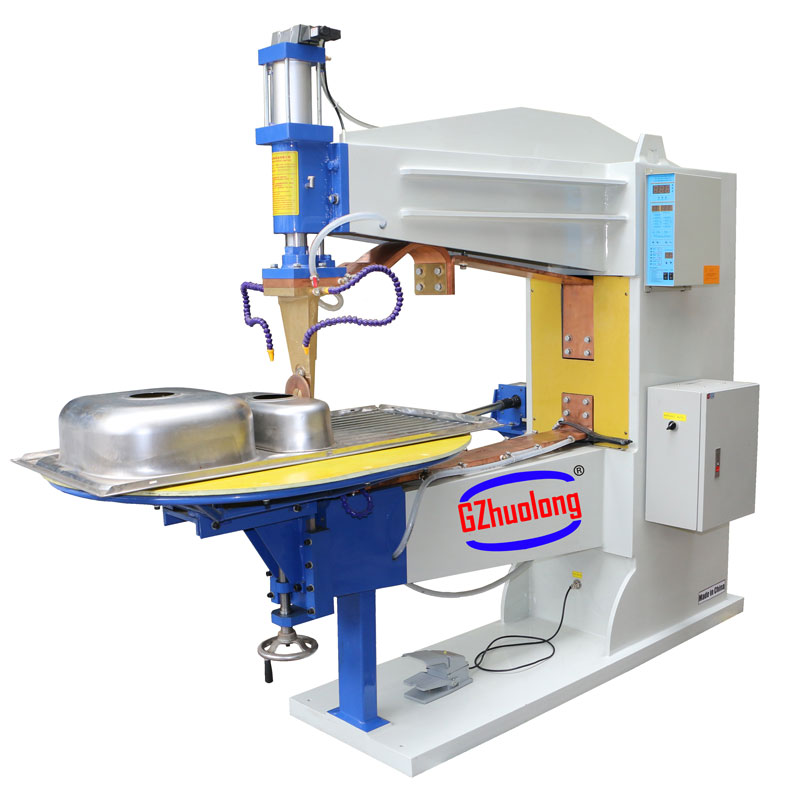
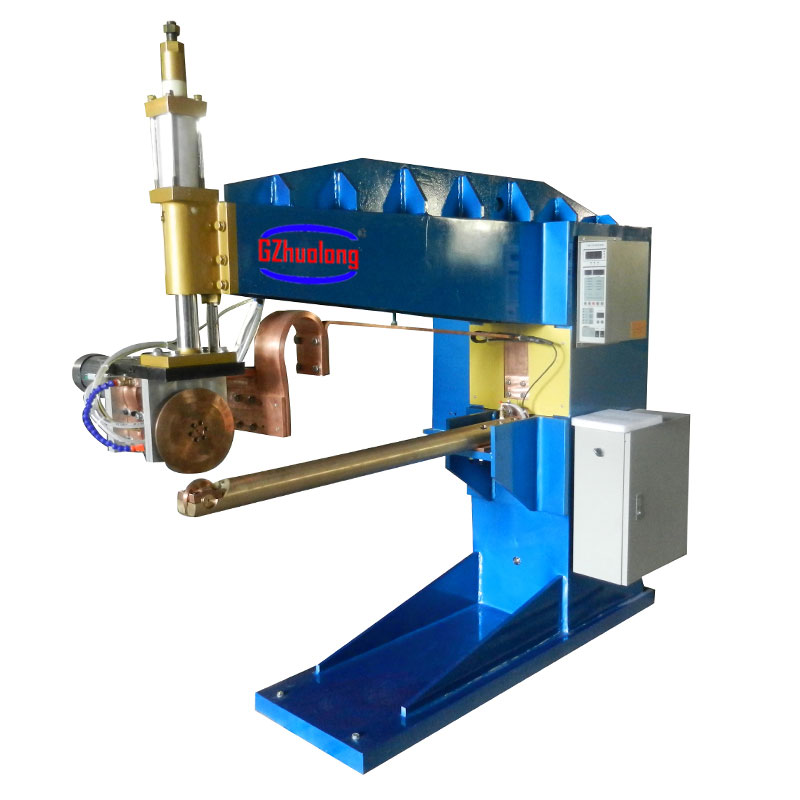
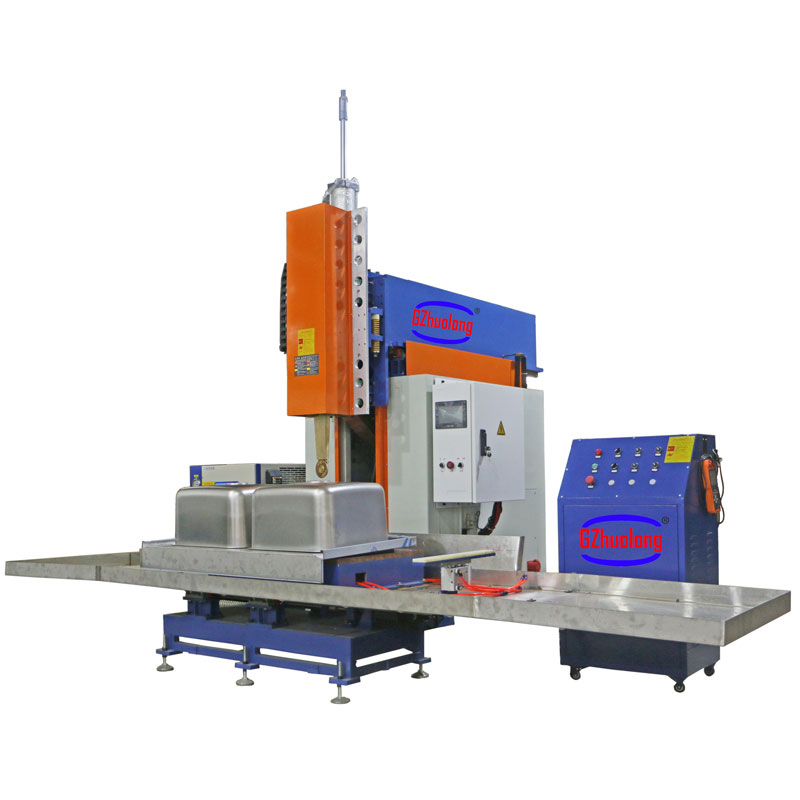
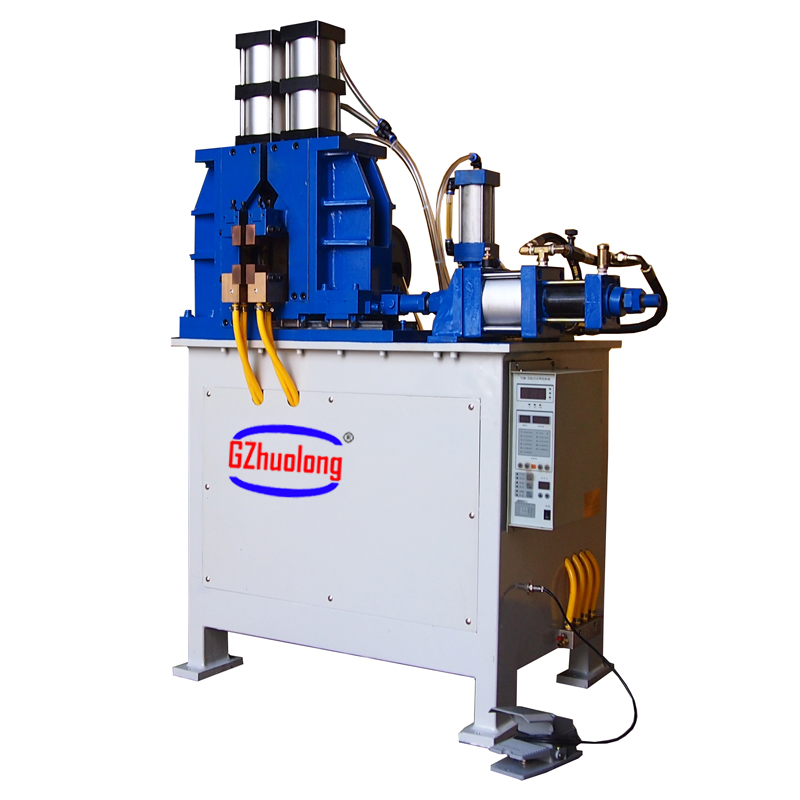
Modern production cannot be imagined without high-precision equipment. One of these indispensable assistants is the hydraulic rolling machine, which has become a real symbol of efficiency and progress in many factories. This powerful tool allows you to bend sheet metal with incredible precision, creating the complex and elegant shapes needed to produce a variety of products. From car bodies to building components, the possibilities with hydraulic forming machines are truly endless.
Benefits of using a hydraulic system
The main advantage of hydraulic rolling machines is the smoothness and precision of the process. The hydraulic system ensures uniform distribution of force along the entire length of the metal sheet, preventing deformation and uneven bending. This is especially important when working with thin sheets that require a high degree of accuracy. In addition, the hydraulic system allows you to adjust the bending force with high precision, which makes it possible to create parts of complex geometry with minimal errors. Unlike mechanical analogues, hydraulic machines provide a longer service life due to the absence of sudden jerks and shock loads.
Convenience and safety of work
Modern hydraulic rolling machines are designed with ergonomics and safety in mind. The intuitive control interface allows the operator to easily set bending parameters and control the process. The security system, which includes various sensors and interlocks, prevents emergency situations. This creates comfortable and safe working conditions for personnel, increasing productivity and reducing the risk of injury. In addition, many modern models are equipped with automatic monitoring and diagnostic systems, which allows you to quickly identify and fix problems, minimizing equipment downtime.
Development prospects and application
Hydraulic forming machines continue to improve, becoming more productive, accurate and safe. The introduction of new technologies, such as digital control and computer-aided design (CAD), makes it possible to create even more complex and high-precision parts. The use of such machines in factories contributes to increasing product quality, reducing costs and increasing the competitiveness of enterprises. In the future, we can expect the emergence of even more intelligent and autonomous hydraulic forming machines, which will play a key role in the automation of production processes.