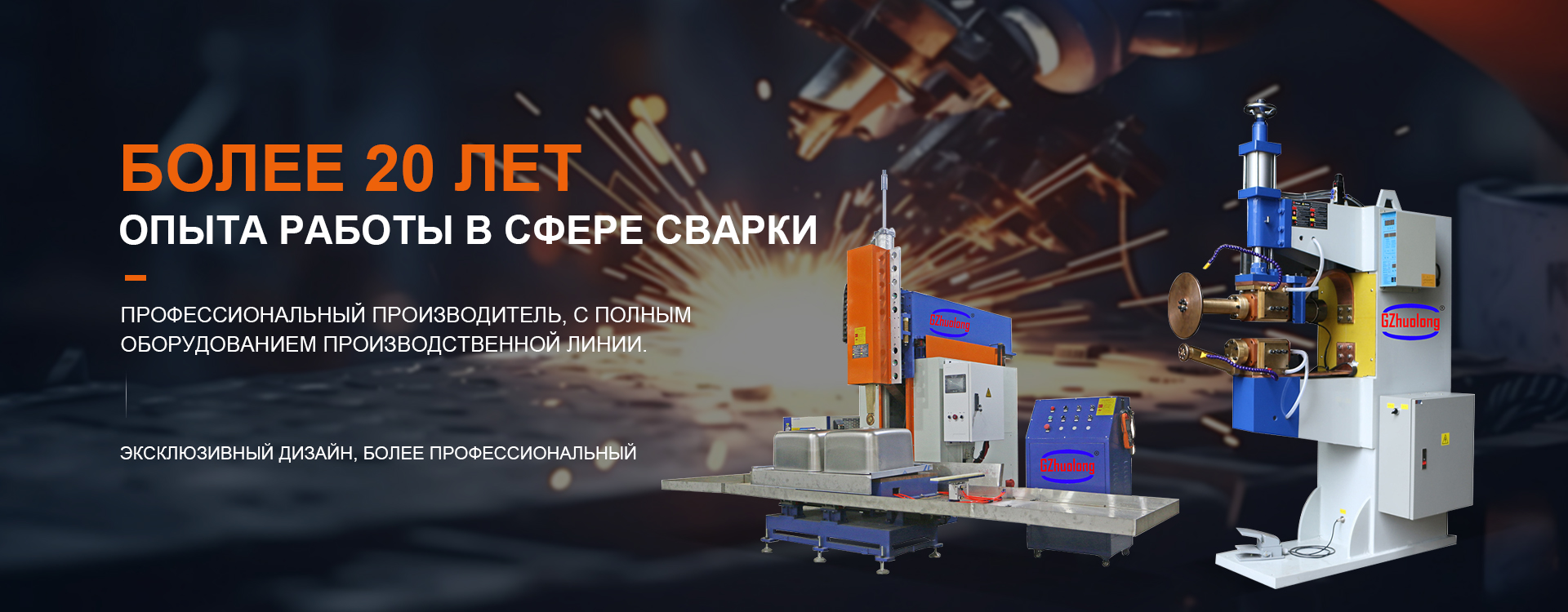
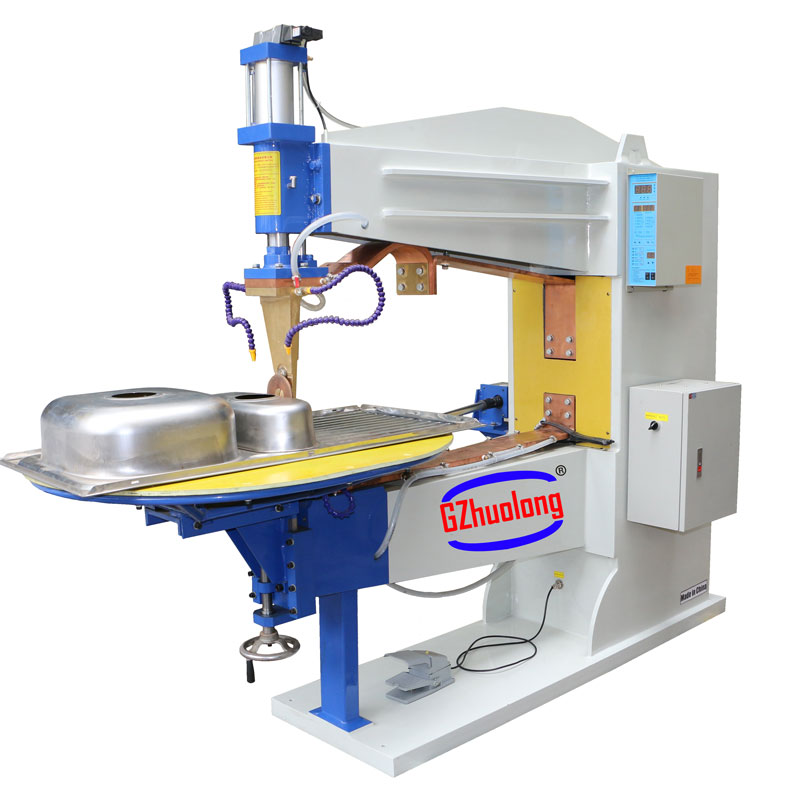
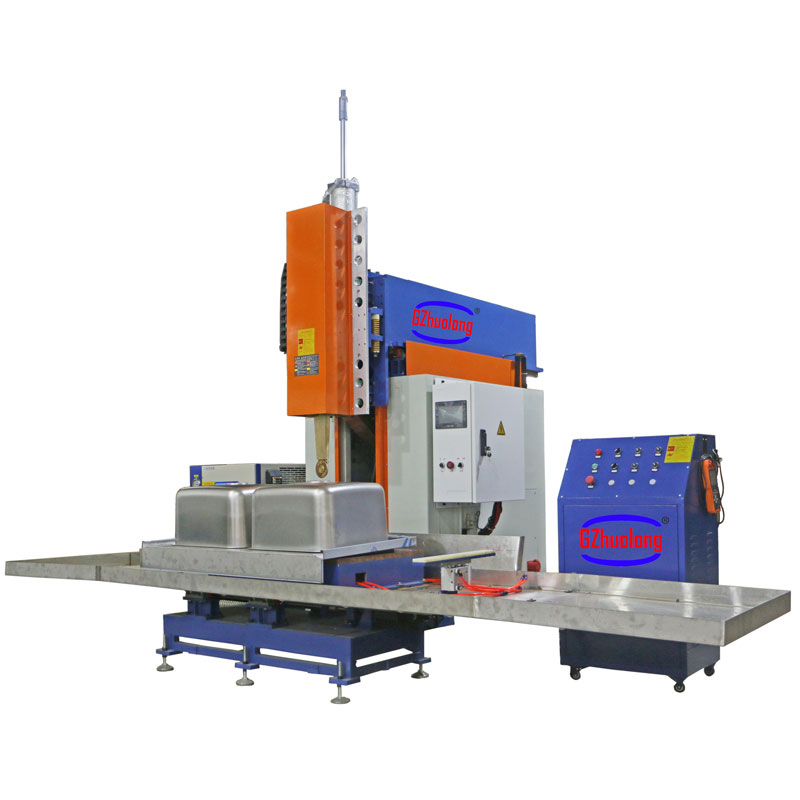
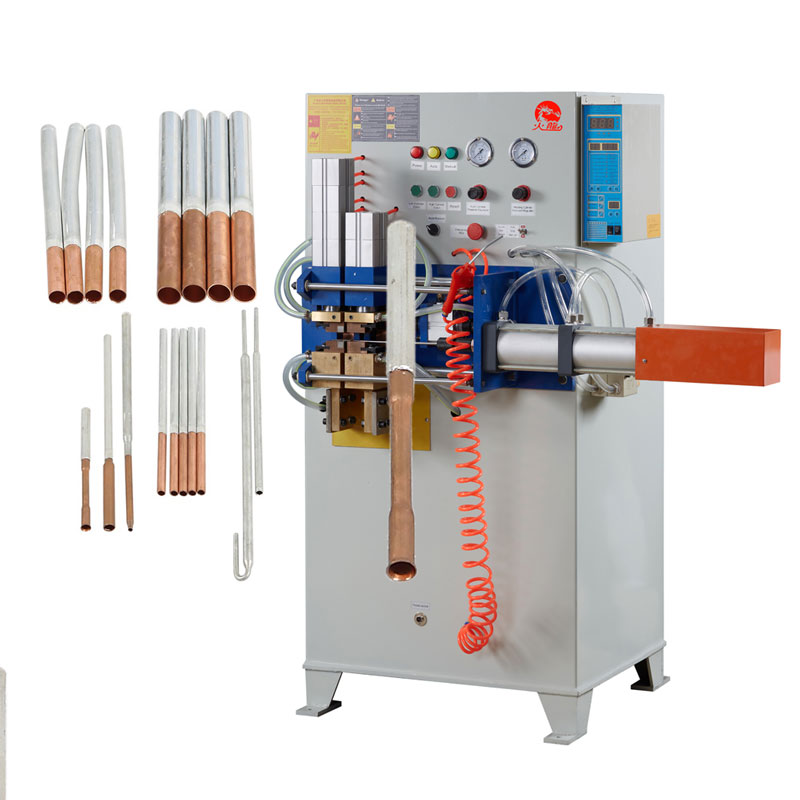
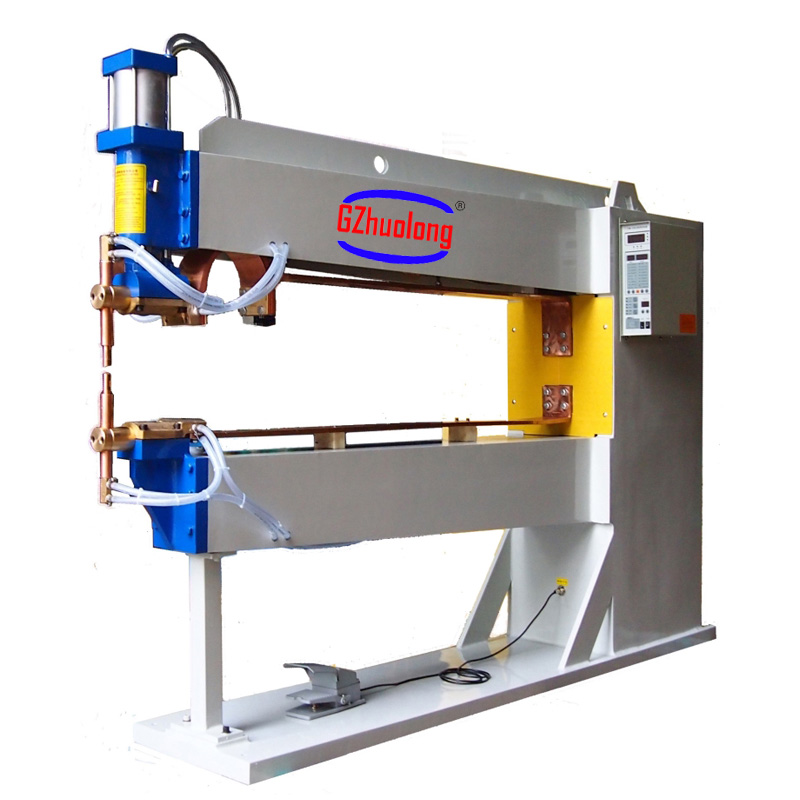
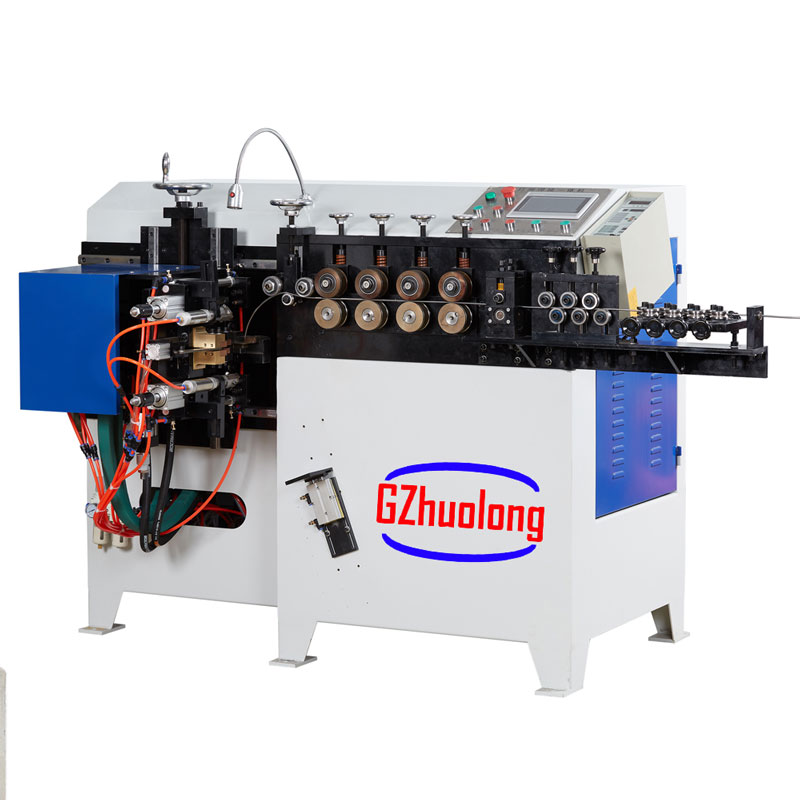
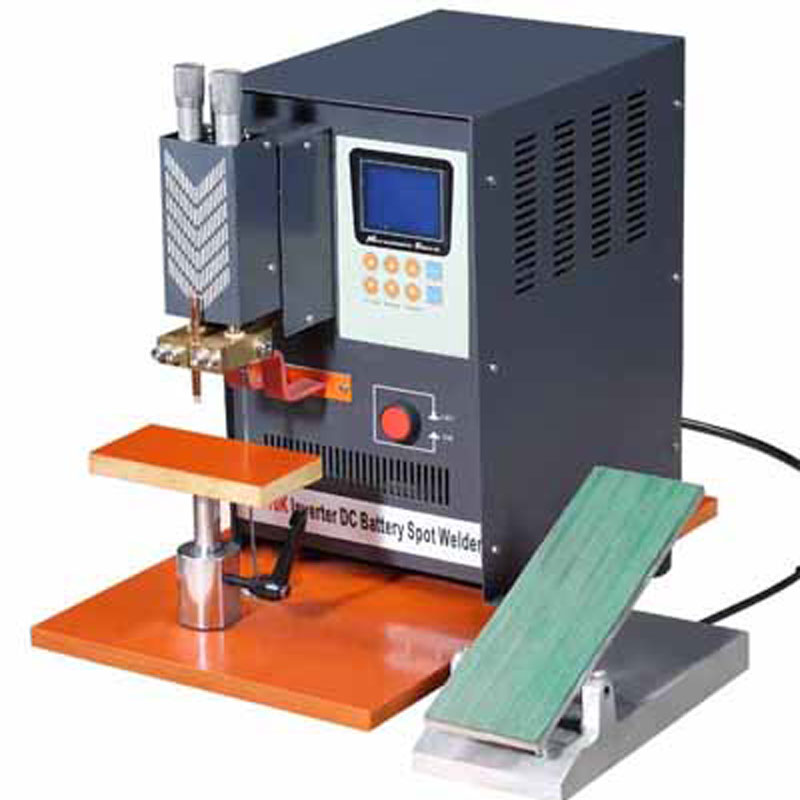
Copper spot welding machine in factories
Spot welding is an indispensable technology in many industries, especially where the connection of metal parts with high precision and strength is required. Copper, with its high electrical and thermal conductivity, requires a special approach to welding, and this is where a specialized spot welding machine comes to the rescue. Without it, modern copper processing plants simply would not be able to function effectively. Let's take a closer look at what such equipment is.
Features of copper welding
Copper is a capricious material. Its high thermal conductivity quickly dissipates heat, making it difficult to form a quality weld. Therefore, a copper spot welding machine must have increased power and precise control of welding parameters: electrode compression force, welding time and welding current. Incorrectly selected parameters will lead to a poor-quality seam, which can easily collapse under load. This is why experienced welders value machines with precise adjustment and stable performance.
Design and operating principle
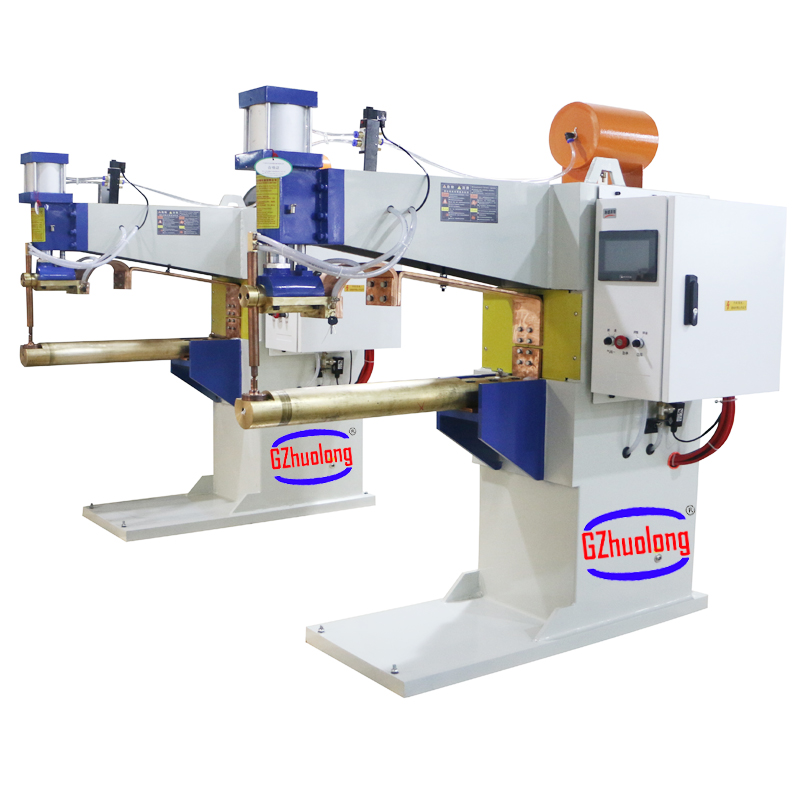
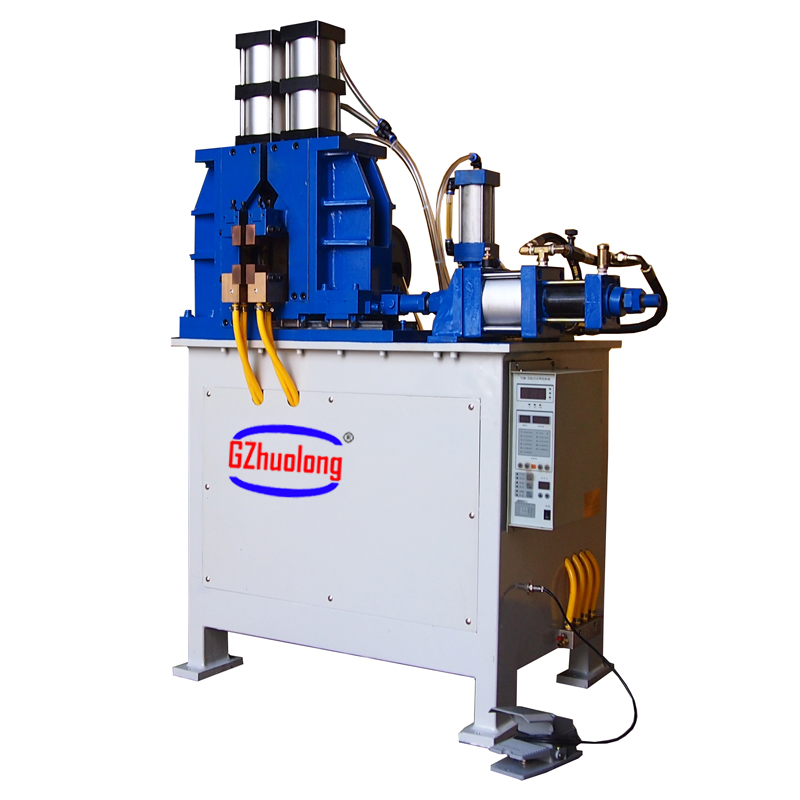
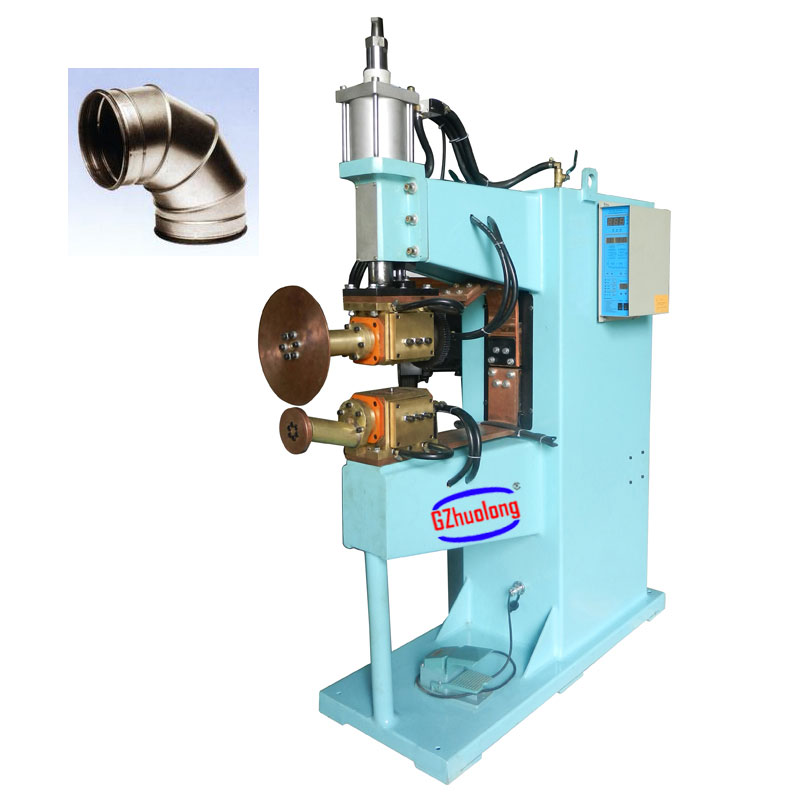
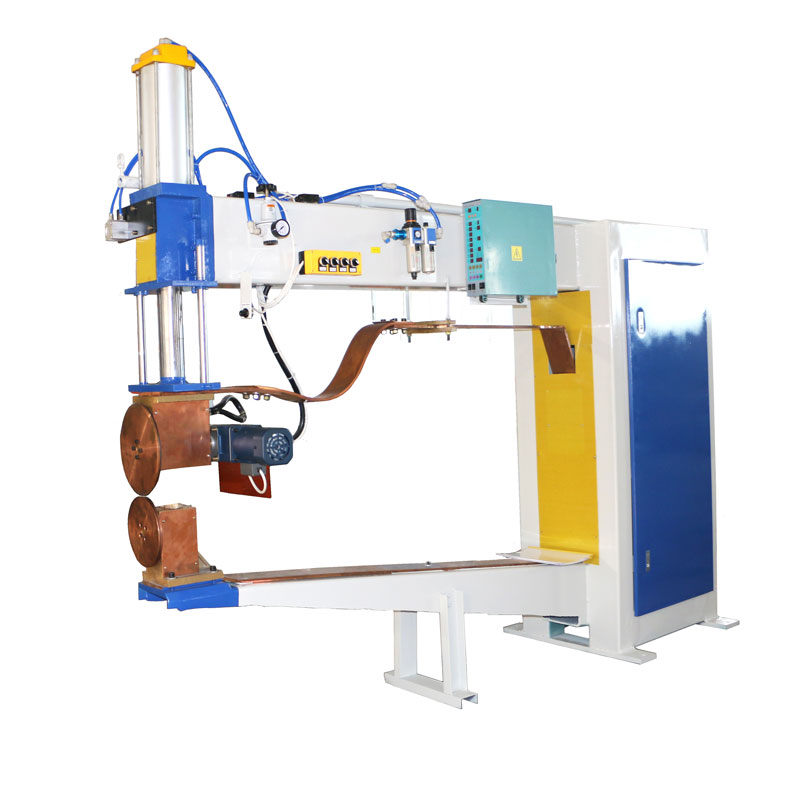
A copper spot welding machine typically consists of a high-power transformer, a control system, electrodes and a clamping mechanism. The transformer converts the mains voltage into a high-intensity, but low-voltage welding current. The control system allows you to set welding parameters in accordance with the thickness and type of copper. Electrodes, usually made of a highly wear-resistant material, press against the parts being welded, providing the necessary contact for the welding current to pass. The welding process itself occurs due to the heating of the metal at the point of contact of the electrodes to the melting temperature, after which, under the action of compression force, a welded joint is formed. Modern machines are often equipped with monitoring and control systems, which increases the reliability and quality of welding.
Benefits of using specialized equipment
The use of a specialized apparatus for copper spot welding in factories can significantly increase labor productivity, improve the quality of welded joints and reduce the number of defects. This, in turn, allows you to reduce production costs and increase the competitiveness of the enterprise. In addition, automation of the welding process, possible with the use of modern machines, allows us to reduce the influence of the human factor and ensure stable product quality. Investing in quality equipment is an investment in the future of the enterprise.