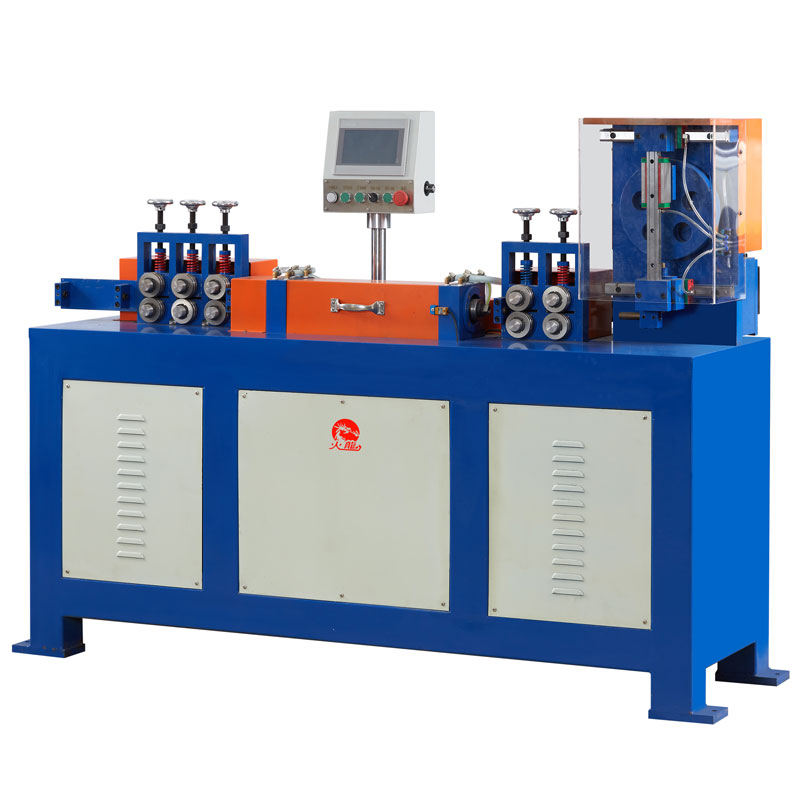
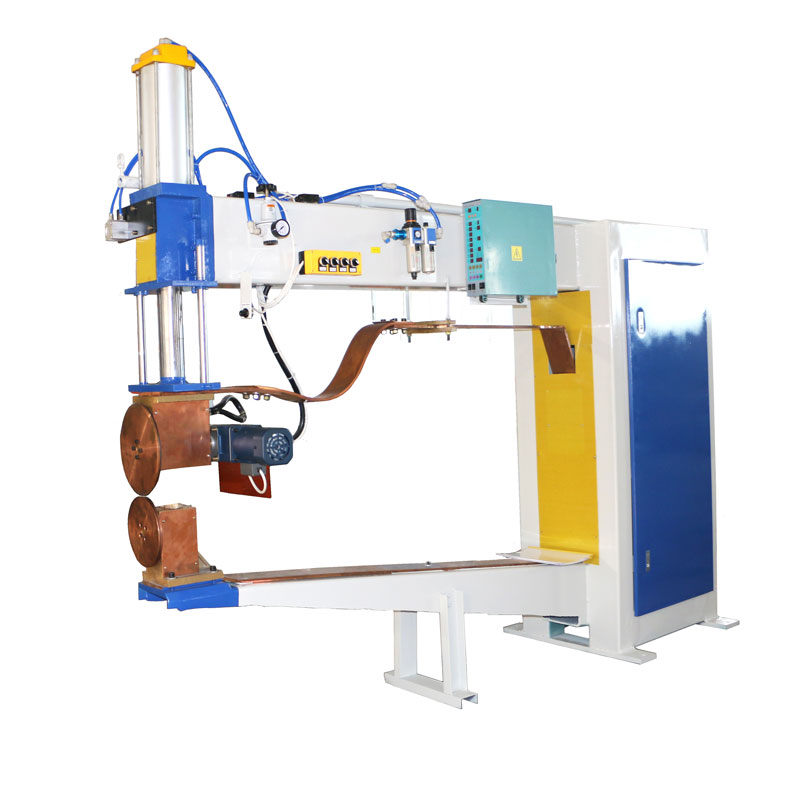
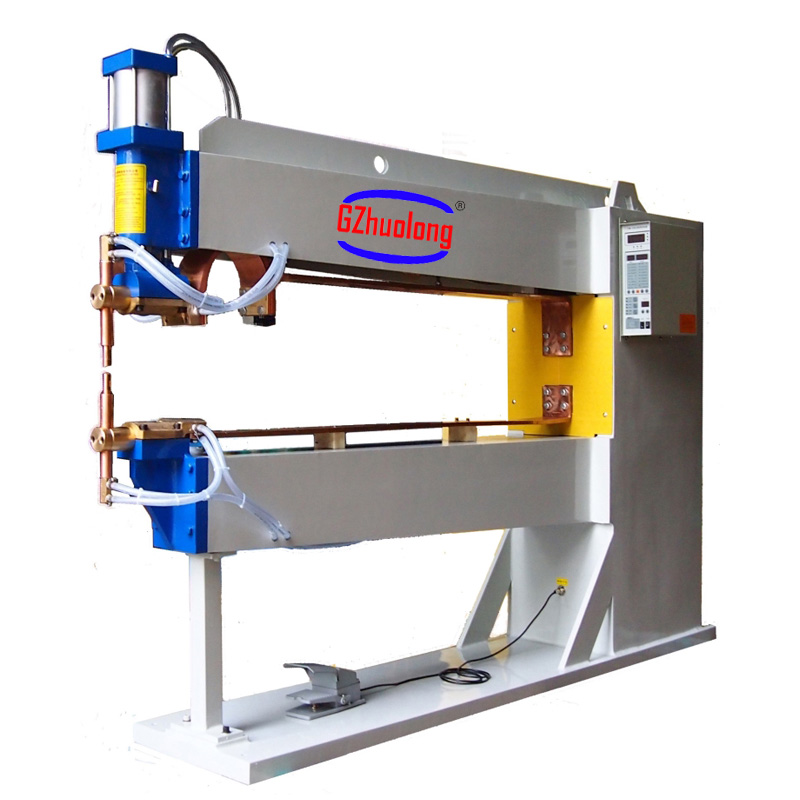
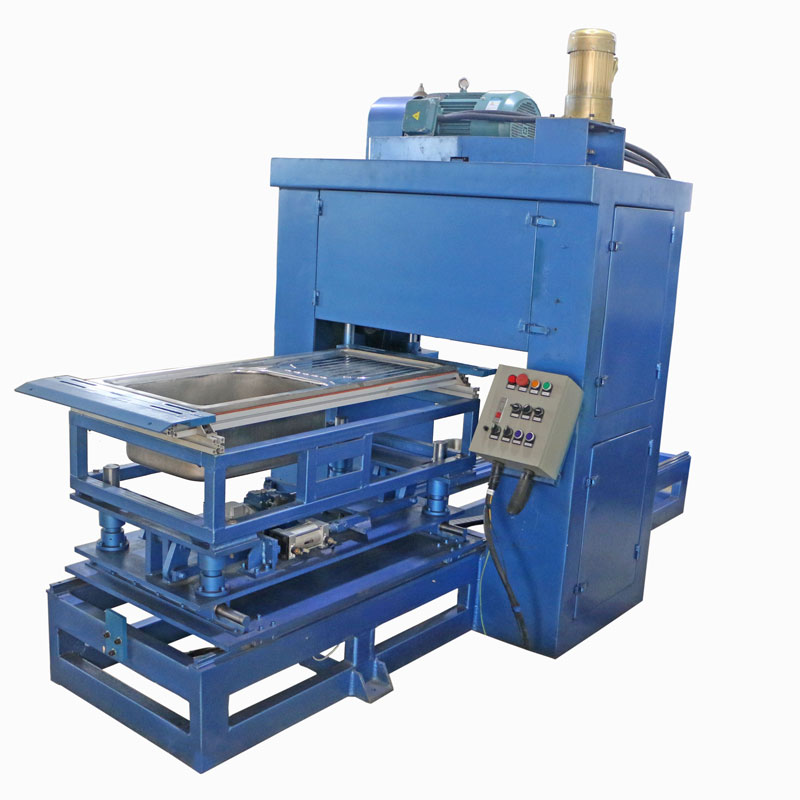
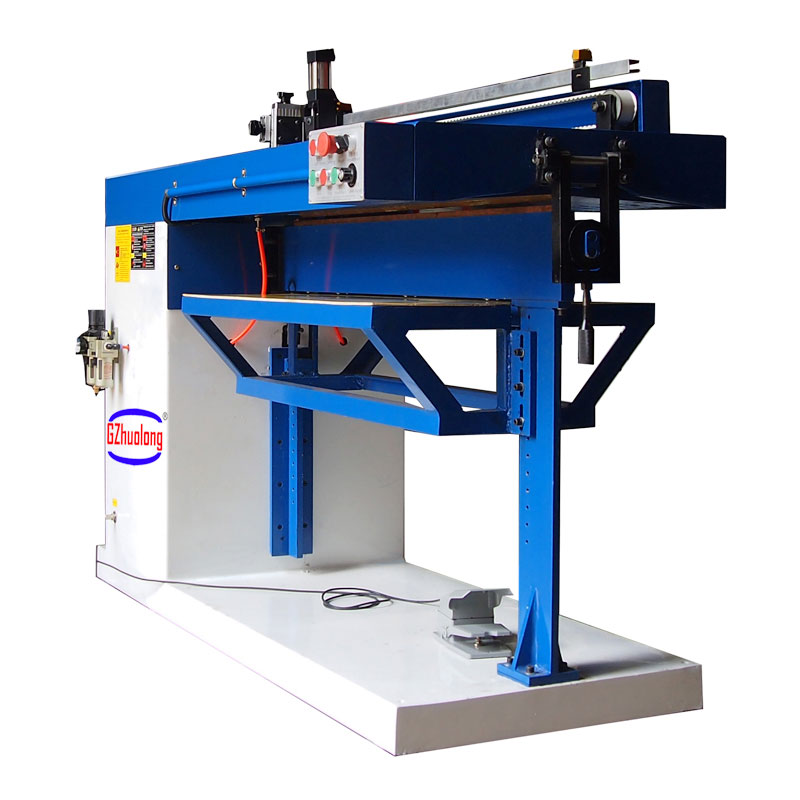
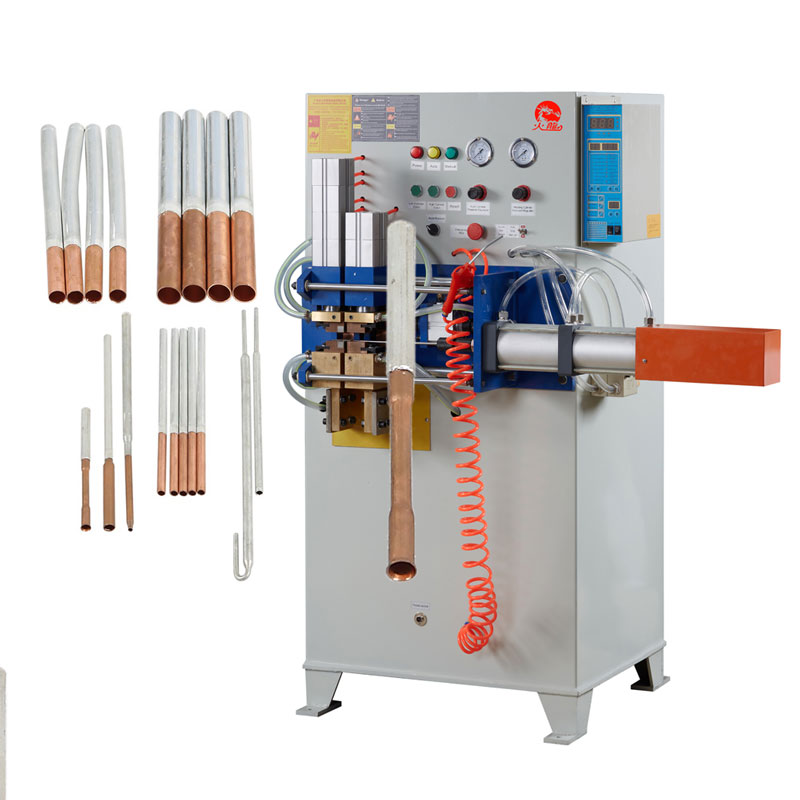
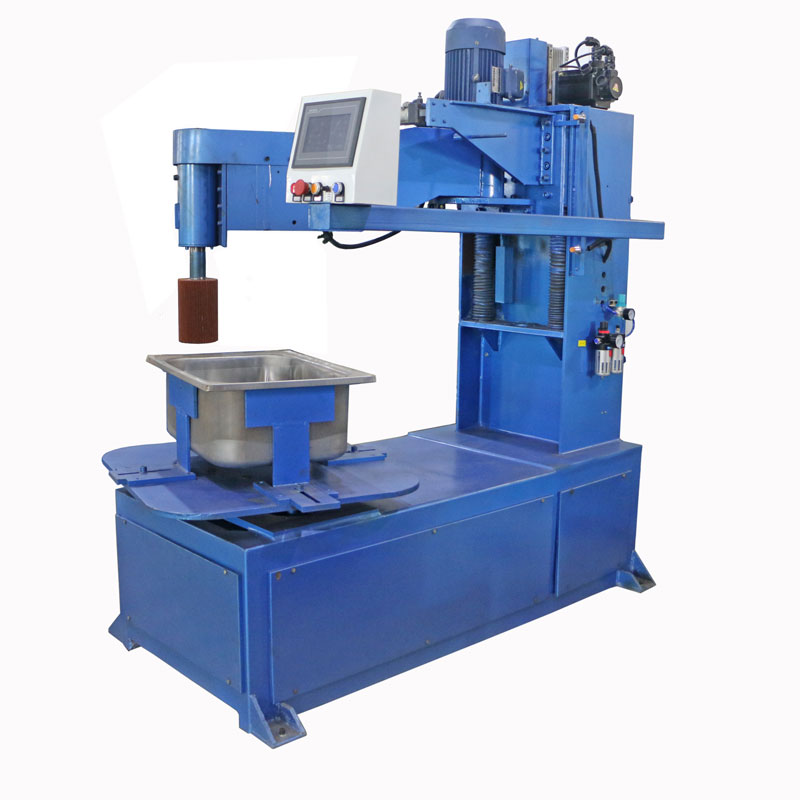
Automatic Laser Welding Machine
Laser welding is a high-tech process of joining materials using a focused laser beam. Unlike traditional welding methods such as arc or gas welding, laser welding provides high precision, minimal distortion of the parts being welded, and the ability to process a wide variety of materials, including metals, ceramics and polymers. Automatic laser welders take this process to the next level, allowing you to weld with incredible speed and repeatability.
Benefits of Automation
Manual laser welding requires a highly qualified welder and significant time investment. Process automation solves these problems. Programmable robotic arms position parts with high precision and control the laser beam, ensuring ideal weld quality. This allows you to significantly increase productivity, reduce defects and increase the economic efficiency of production. In addition, automated systems are able to work around the clock, without breaks for operator rest, which is especially important for mass production. Automation also improves working conditions by eliminating the welder's exposure to harmful factors such as bright lights and fumes.
Operating principle of the automatic device
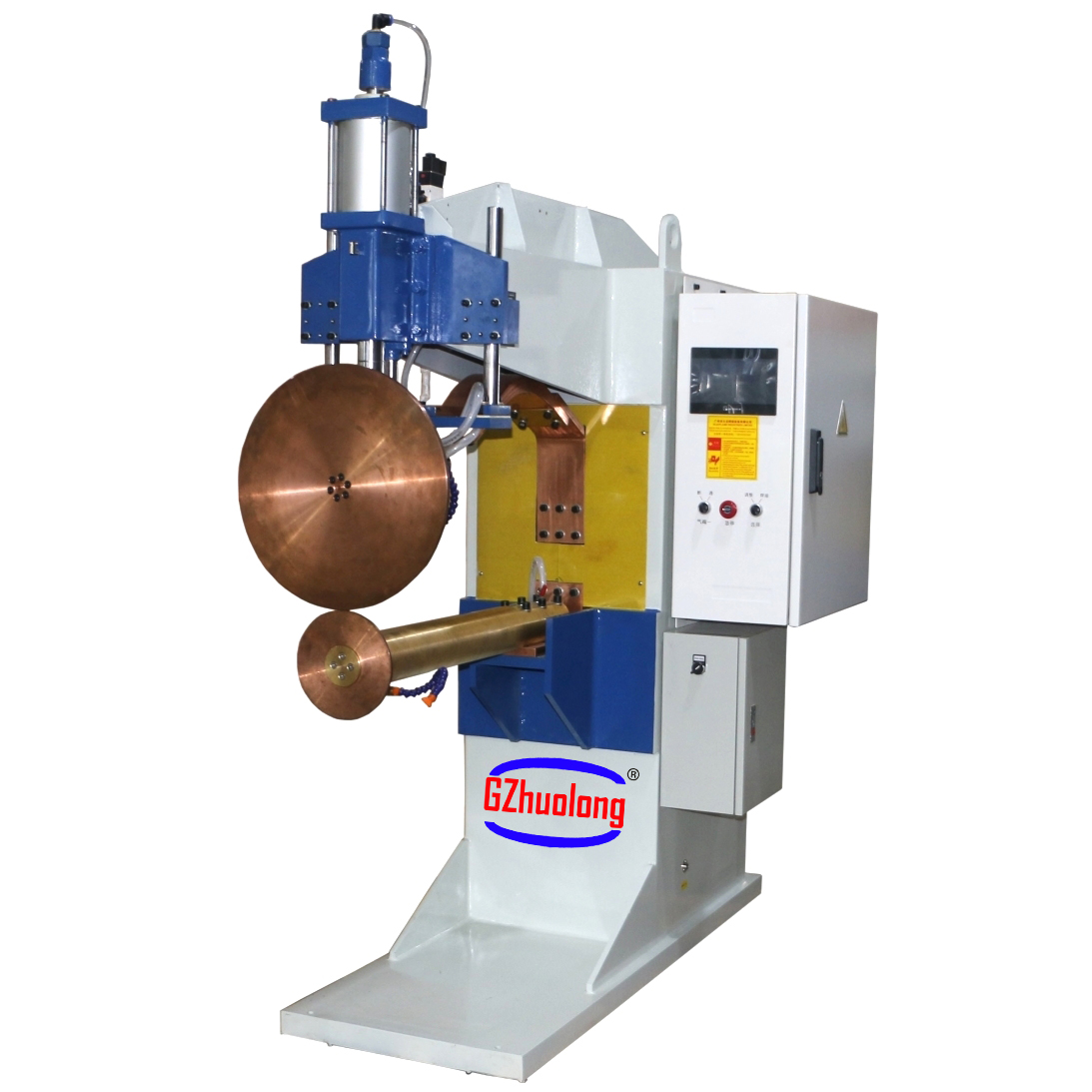
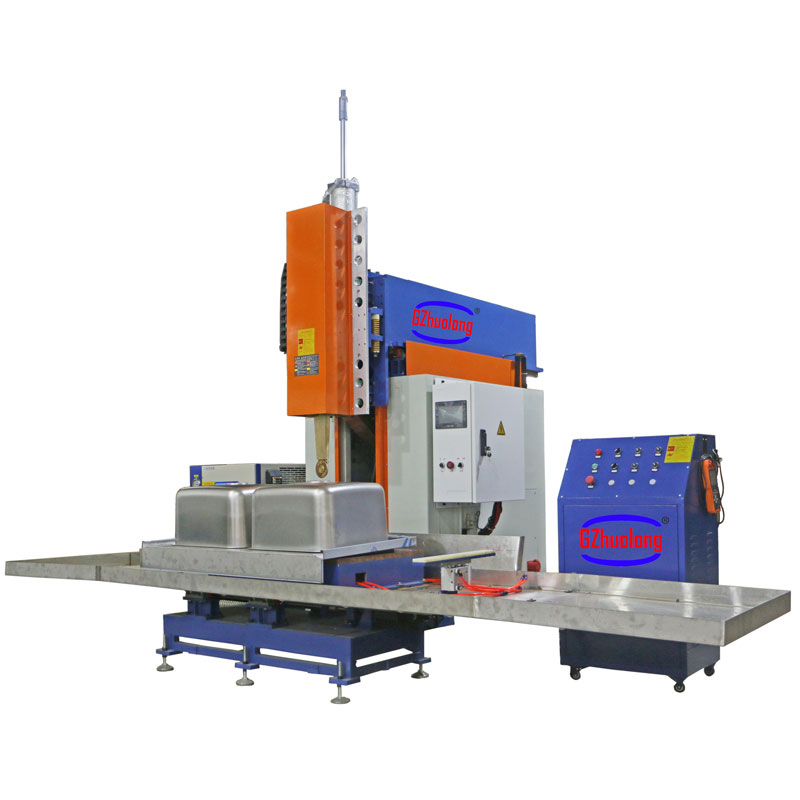
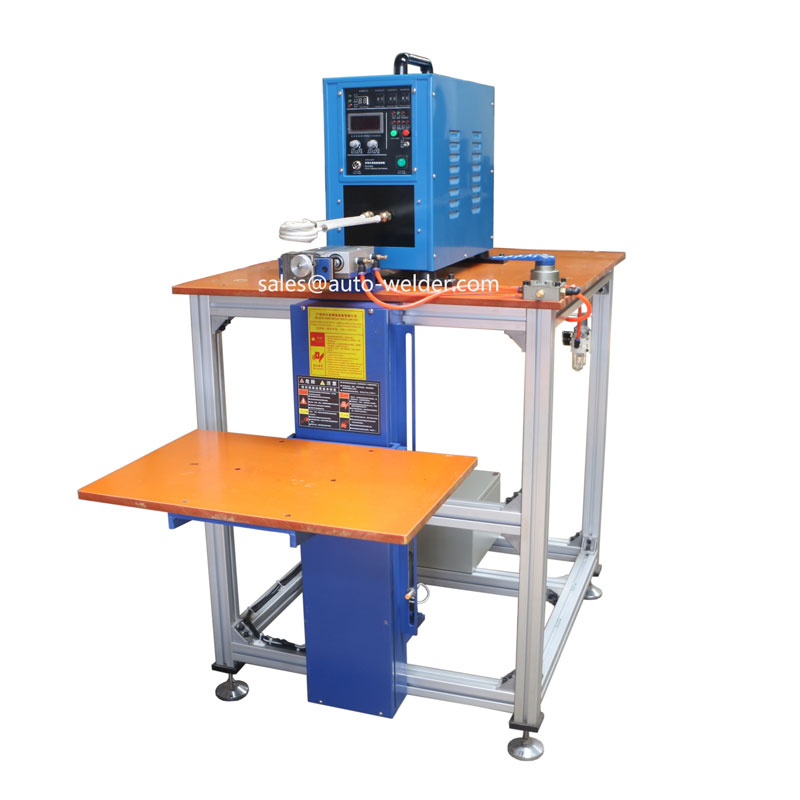
An automatic laser welding machine is a complex system that includes a laser source, a control system, a positioning system (robotic arm or other mechanisms), and a welding process control system. The laser beam generated by the source is focused on the welding site, melting the material. The control system, based on computer programs, sets welding parameters such as laser power, welding speed and penetration depth. The positioning system ensures precise movement of the laser beam along a given path. The control system monitors the welding process in real time, adjusting parameters as necessary to ensure high quality welds.
Applications
Automatic laser welding machines are widely used in various industries. These are the automotive industry (welding of body parts, transmission parts), electronics (welding of microcircuits, printed circuit boards), medicine (manufacturing of implants), aerospace industry (welding of high-strength alloys). Due to their high precision and versatility, they are indispensable in the production of high-tech products that require high quality and reliability of welded joints. Constant improvement of technology and the development of new types of lasers expand the possibilities of using automatic laser welding, making it increasingly popular in the modern world.